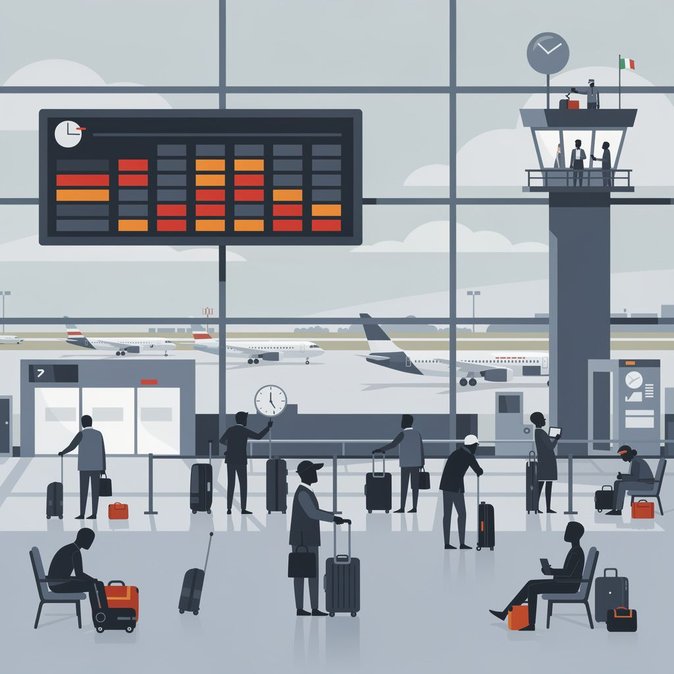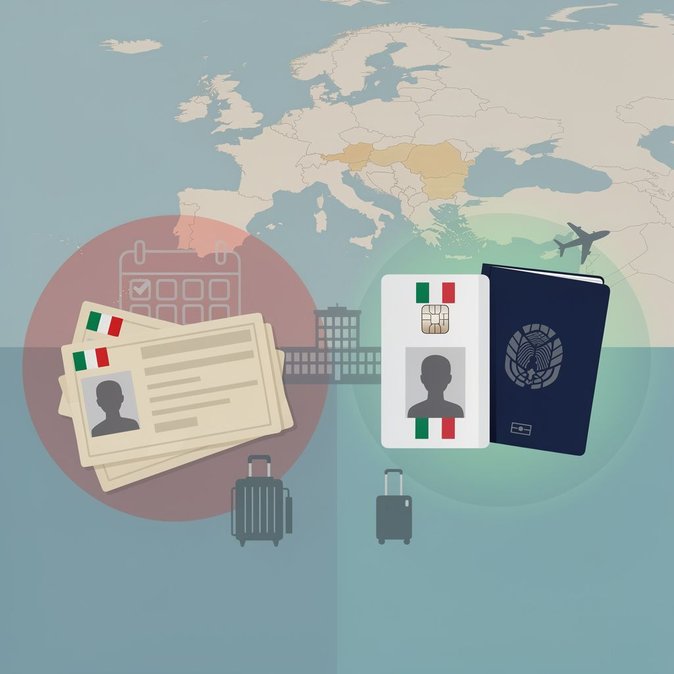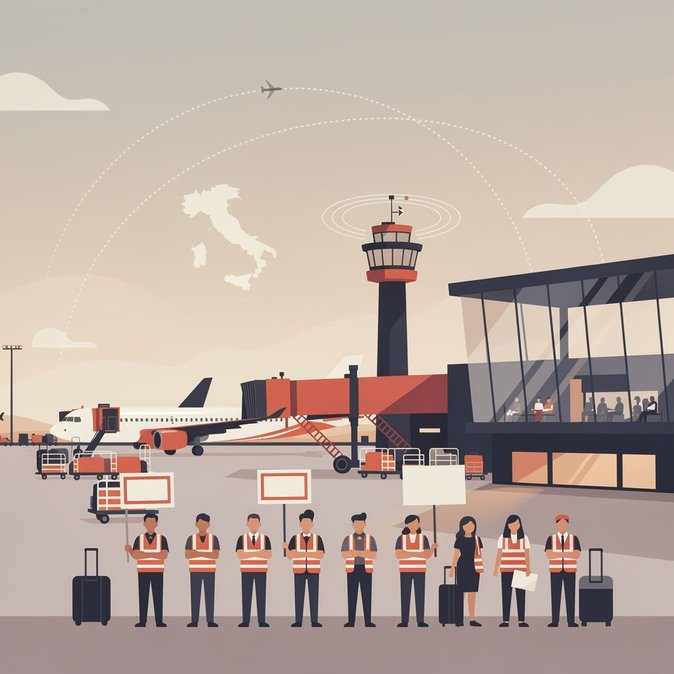
Italy is heading into its most disruptive air-transport strike of the summer: a 24-hour, multi-union walk-out scheduled for Friday, 5 July. Staff across almost every layer of airport operations—air-traffic controllers (ENAV), ground-handling companies, security contractors, fuelling services and airline cabin crews—have confirmed participation after talks with employers collapsed earlier this week. According to industry tracker CUB Trasporti, more than 2,000 flights serving Rome-Fiumicino, Milan-Malpensa/Linate, Venice, Naples, Catania and Palermo are at risk of cancellation or severe delay. The strike window runs from 00:01 to 24:00 local time, although individual groups will stage additional stoppages—for example, ADR Security at Rome’s airports will down tools from 10:00 to 18:00, while ENAV tower staff at Malpensa plan a separate four-hour protest between 13:00 and 17:00. Legally-mandated minimum services mean that some “protected” flights (urgent medical, military and a limited number of inter-continental departures) must operate, but most short-haul and domestic rotations will rely on discretionary staffing. Airlines have begun proactive re-accommodation. ITA Airways issued a travel waiver allowing free rebooking within seven days; Ryanair and easyJet have trimmed schedules, warning that same-day airport changes are unlikely because crews will also be striking. Travel management firms advise corporate travellers to reroute via Switzerland, Austria or Slovenia, or to shift meetings to virtual format. Rail alternatives such as Trenitalia’s Frecciarossa and Italo are adding capacity but warn that they face a freight-workers strike from the evening of 6 July that could cascade into weekend congestion. For mobility managers, the immediate tasks are passenger re-protection, reviewing immigration status for diverted itineraries, and communicating potential Schengen overstays caused by forced layovers. In the medium term, the industrial action underscores the fragility of Italy’s ground-handling sector, where fragmented collective bargaining and rising summer demand continue to generate rolling disputes. Companies with time-critical assignees are advised to build extra lead-time into travel policies and to keep contingency budgets for last-minute charters or rail/road substitution.
Source: Travel and Tour World