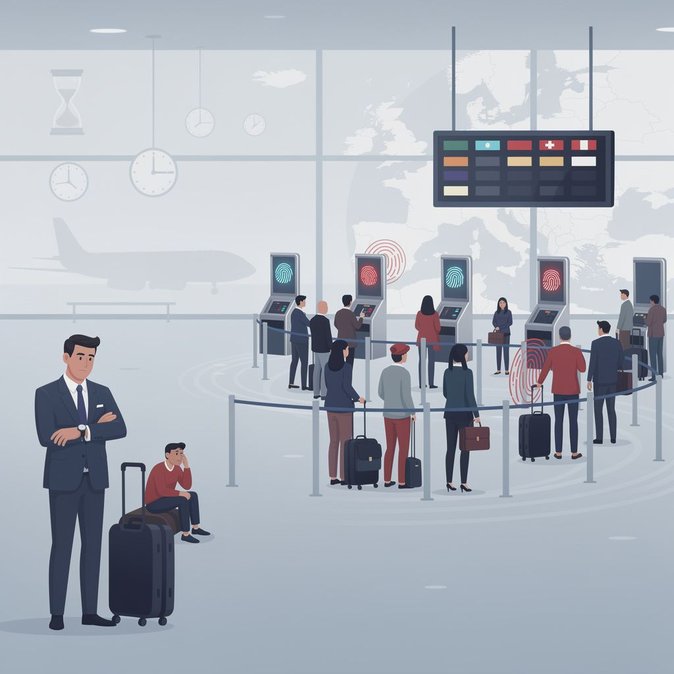
Swiss holiday-makers bound for Italian beach resorts—and executives connecting via Milan Malpensa—woke up on 5 July to a nationwide Italian aviation strike that threatens widespread cancellations. According to strike-monitor Napolike, action spans pilots, cabin crew, ground handlers and air-traffic controllers, with Malpensa, Rome Fiumicino/Ciampino and Catania among the hardest-hit airports.
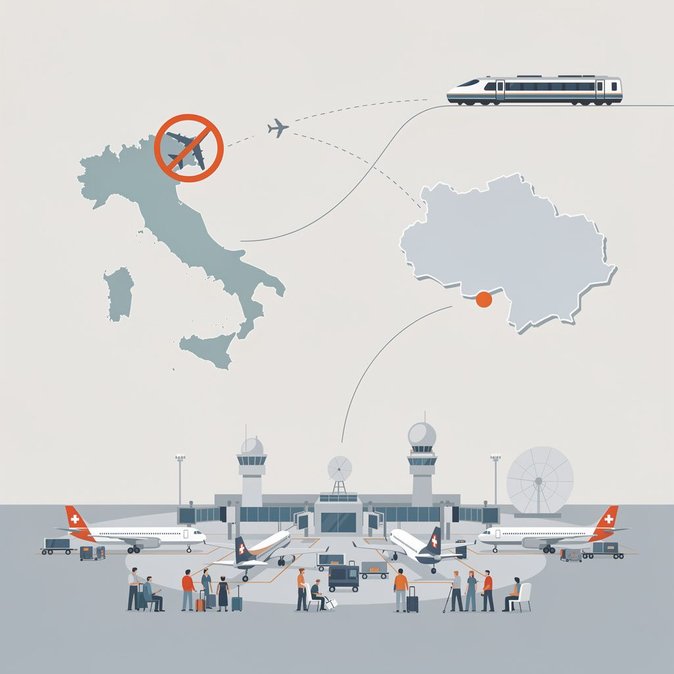
Why Switzerland is affected. Although Swiss airports are not directly involved, roughly 60 per cent of leisure traffic from Ticino uses Malpensa because it sits just 50 km south of Lugano and offers broader low-cost coverage than Zurich or Geneva. Swiss International Air Lines operates up-gauge feeder buses and code-share flights that funnel passengers to Malpensa for onward long-haul services on Star Alliance partners. Those passengers now face last-minute re-routing via Zurich or Vienna.
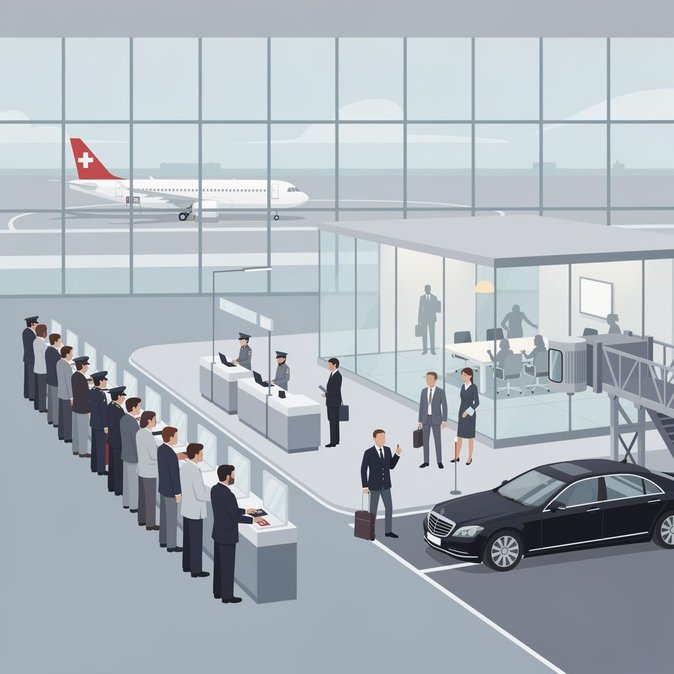
Business-travel implications. Malpensa handles a steady flow of same-day return trips for Swiss-based med-tech and fashion buyers visiting factories in Emilia-Romagna. With easyJet crews on a 24-hour walk-out and ENAV air-traffic controllers staging rolling stoppages, even flights that are formally ‘protected’ under Italian strike law risk knock-on delays once rotation schedules unravel. Travel managers report that fully flexible SWISS fares between Zurich and Rome jumped 35 per cent overnight as demand switched.
If rerouting obliges travellers to shift airports or extend stays, they may suddenly need visa extensions or new multi-entry documents; VisaHQ’s online portal can fast-track Schengen applications for Switzerland-based passengers and offers live updates on entry rules—see for details and other mobility services.
Advice for mobility managers.
• Check whether staff tickets include a “transport strike” clause; low-cost carriers often exclude compensation.
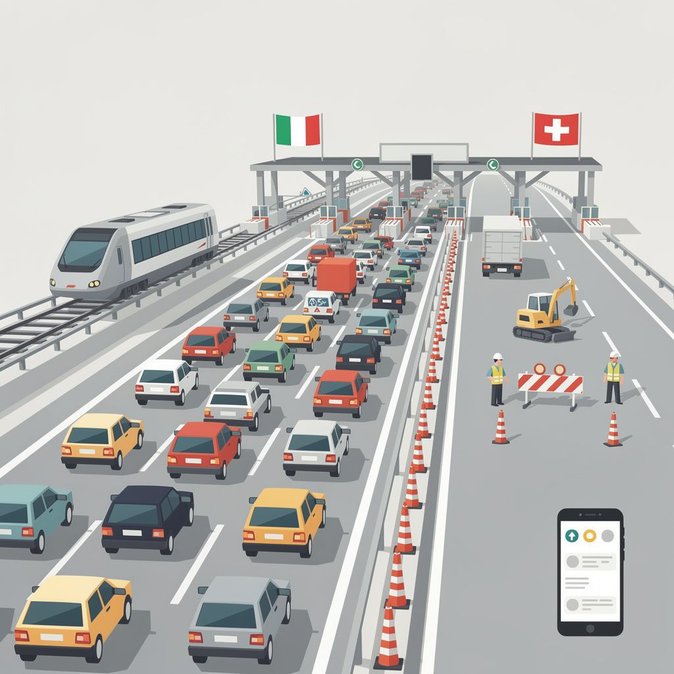
• Consider rail: the Zurich–Milan EC service has spare capacity and was unaffected as of 09:00.
• For urgent cargo or on-board couriers, Basel EuroAirport–Florence Peretola remains outside the main strike footprint and can be used as a workaround.
Outlook. Unions threaten further 24-hour actions in August unless contract talks progress. Swiss corporates with Italian operations should map critical supply-chain personnel and ensure they hold multi-entry Schengen visas and rail alternatives. Expect Italian airports to resume normal operations after 06:00 on 6 July, but equipment repositioning could disrupt first-wave departures from Zurich that rely on Italian crews.
Why Switzerland is affected. Although Swiss airports are not directly involved, roughly 60 per cent of leisure traffic from Ticino uses Malpensa because it sits just 50 km south of Lugano and offers broader low-cost coverage than Zurich or Geneva. Swiss International Air Lines operates up-gauge feeder buses and code-share flights that funnel passengers to Malpensa for onward long-haul services on Star Alliance partners. Those passengers now face last-minute re-routing via Zurich or Vienna.
Business-travel implications. Malpensa handles a steady flow of same-day return trips for Swiss-based med-tech and fashion buyers visiting factories in Emilia-Romagna. With easyJet crews on a 24-hour walk-out and ENAV air-traffic controllers staging rolling stoppages, even flights that are formally ‘protected’ under Italian strike law risk knock-on delays once rotation schedules unravel. Travel managers report that fully flexible SWISS fares between Zurich and Rome jumped 35 per cent overnight as demand switched.
If rerouting obliges travellers to shift airports or extend stays, they may suddenly need visa extensions or new multi-entry documents; VisaHQ’s online portal can fast-track Schengen applications for Switzerland-based passengers and offers live updates on entry rules—see for details and other mobility services.
Advice for mobility managers.
• Check whether staff tickets include a “transport strike” clause; low-cost carriers often exclude compensation.
• Consider rail: the Zurich–Milan EC service has spare capacity and was unaffected as of 09:00.
• For urgent cargo or on-board couriers, Basel EuroAirport–Florence Peretola remains outside the main strike footprint and can be used as a workaround.
Outlook. Unions threaten further 24-hour actions in August unless contract talks progress. Swiss corporates with Italian operations should map critical supply-chain personnel and ensure they hold multi-entry Schengen visas and rail alternatives. Expect Italian airports to resume normal operations after 06:00 on 6 July, but equipment repositioning could disrupt first-wave departures from Zurich that rely on Italian crews.