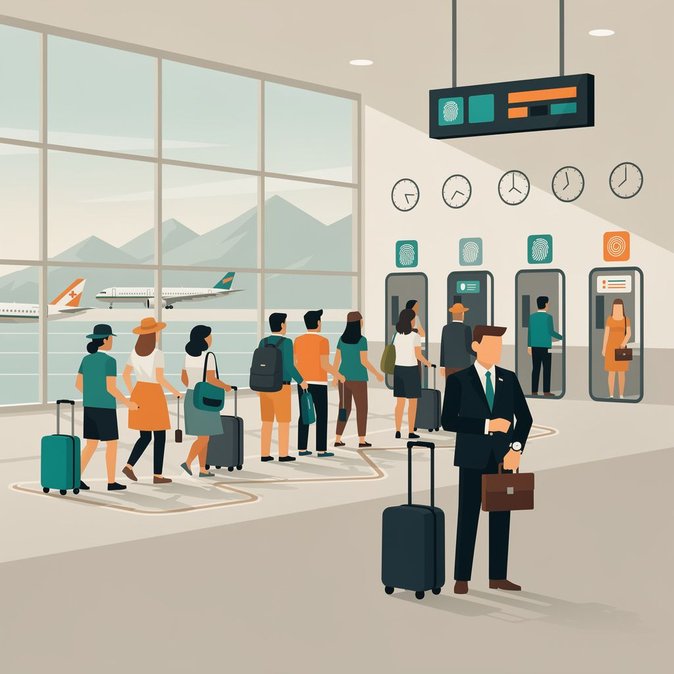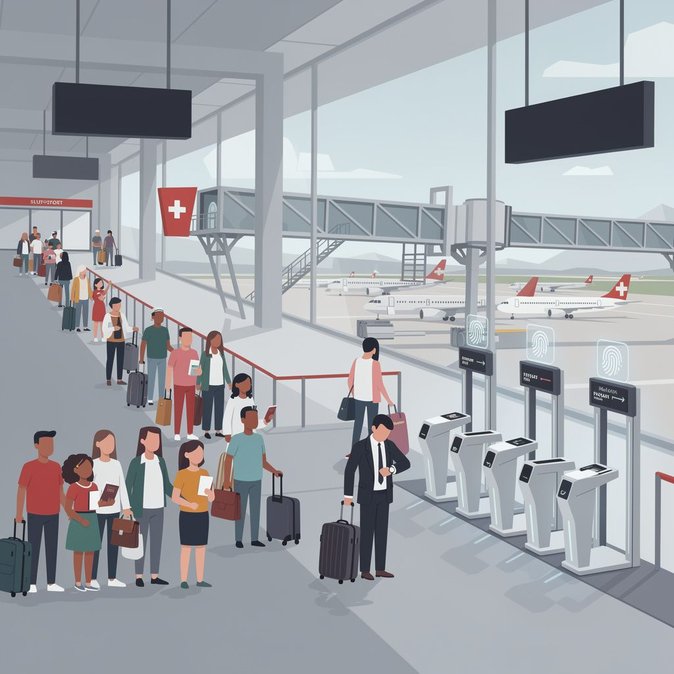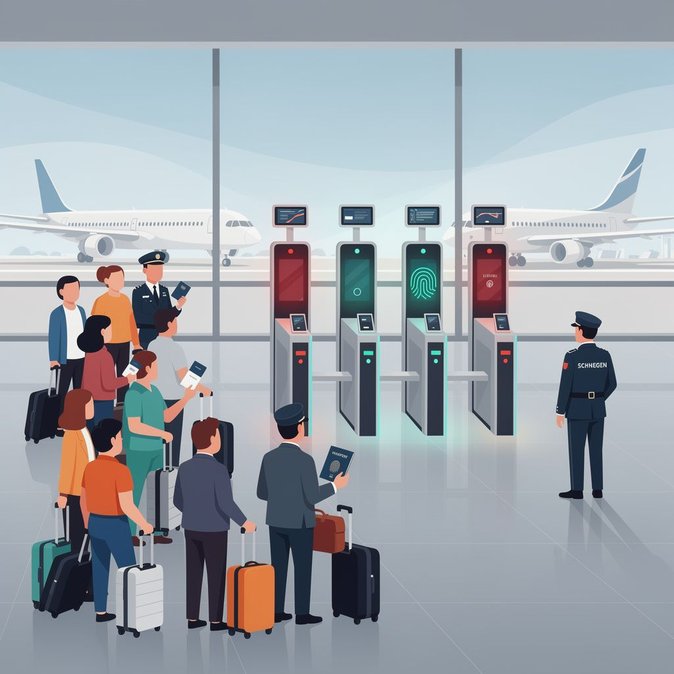
Europe’s leading airline and airport associations have sent an open letter to European Commission President Ursula von der Leyen warning that the Entry/Exit System is already causing “waits of up to five hours” at external Schengen borders and could paralyse summer operations if no emergency flexibility is granted. While the appeal is pan-European, Swiss hubs—classified as external borders for long-haul markets—are among those hardest hit. Industry bodies want member states to be allowed to suspend biometric capture temporarily when passenger flows exceed capacity, reverting to manual passport stamping. They argue the current derogations expire in early September, just as corporate travel traditionally rebounds after the holidays. Swiss travel-risk consultants say companies with tight itineraries through Zurich or Geneva should monitor policy shifts and build contingency time into meetings. They also note potential reputational damage if Switzerland—renowned for precision—becomes synonymous with immigration gridlock. The letter proposes a longer-term “circuit-breaker” mechanism so border authorities can lift EES obligations during exceptional spikes, similar to the way airports manage snow or ATC disruptions. Brussels has yet to respond, but insiders suggest limited relief may come via updated guidance rather than legislative change, leaving carriers to absorb operational risk in the meantime. Corporate mobility teams are advised to brief travellers on possible delays, stagger arrival times where group movements are unavoidable, and book fully changeable fares until the situation stabilises.
Source: TravelMole