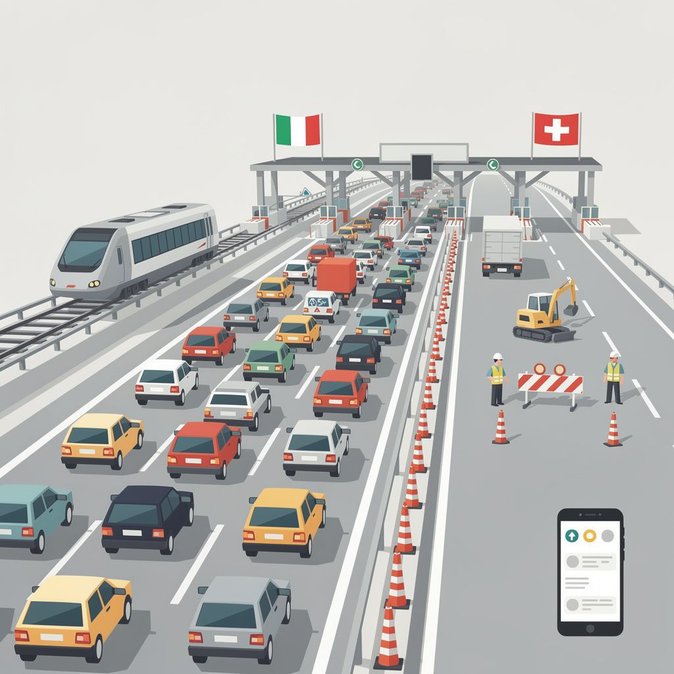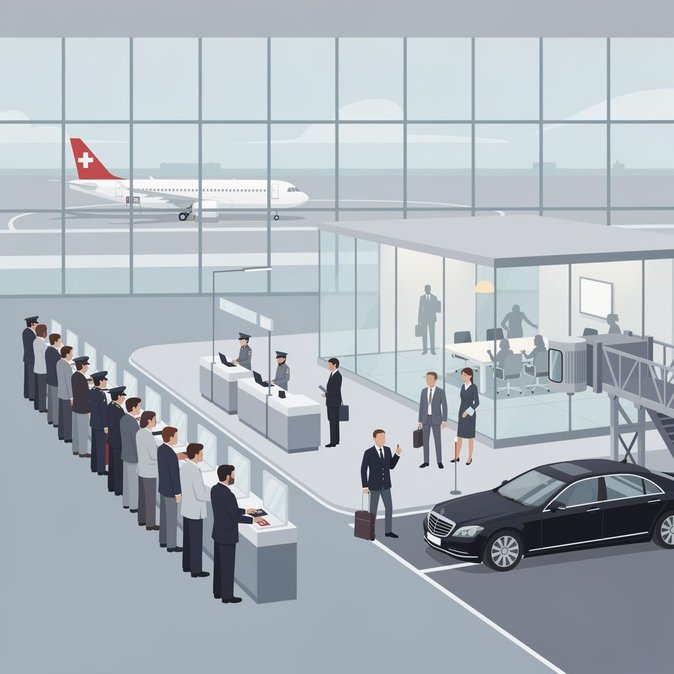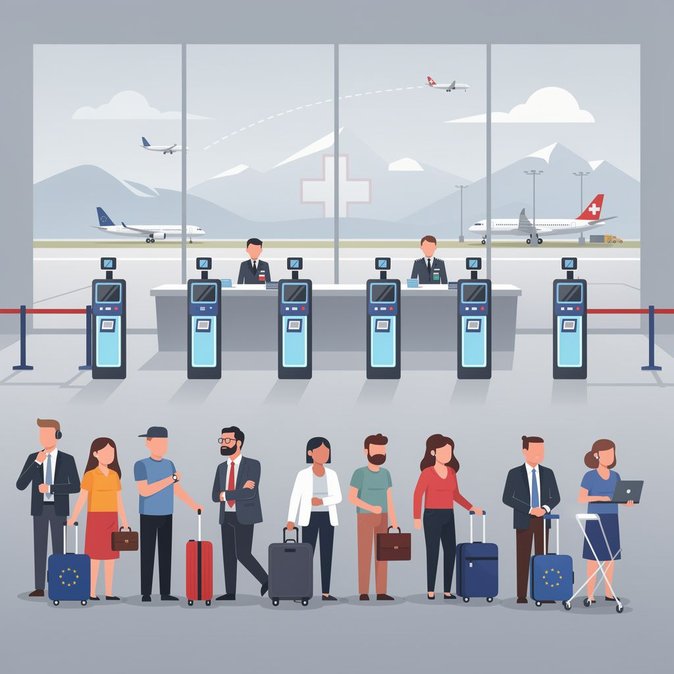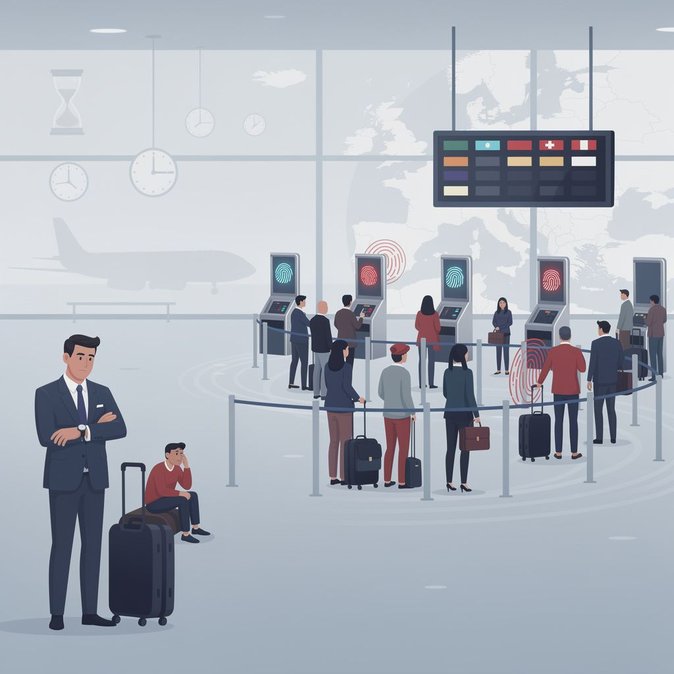
Swiss airports are bracing for one of the most difficult holiday seasons since the Covid-19 reopening, as the European Union’s new Entry/Exit System (EES) generates unprecedented bottlenecks at passport control. Under the scheme—fully operational since 10 April 2026—every non-EU/Schengen traveller must give fingerprints and a facial image the first time they cross an external Schengen border. While the digital process is designed to enhance security and automate 90/180-day-rule calculations, enrolment takes far longer than a traditional passport stamp. On 5 July Germany’s Merkur newspaper reported that airports across Europe are already seeing queues of “up to five hours,” citing an open letter from Airports Council International (ACI) Europe and Airlines for Europe to European Commission president Ursula von der Leyen. The trade bodies describe the situation as having reached a “critical point” and are asking Brussels to let member states suspend or scale back EES processing at peak times. Switzerland, although not an EU member, participates fully in Schengen; the biometric kiosks installed at Zurich and Geneva last winter are therefore subject to the same rules. Operational data from Zurich Airport show that an EES enrolment takes an average of two minutes per passenger—six times longer than the previous stamp—creating a mathematical mismatch between kiosk capacity and summer passenger volumes. Swissport, which staffs most ground-handling positions at Zurich, has redeployed 60 agents from check-in to border-queue management, but still advises non-EU travellers to allow three hours for transfers instead of the customary 60–90 minutes. Geneva Airport faces similar pressure: airport management told local newspaper Tribune de Genève that it can process 1,100 passengers per hour through its 38 kiosks, but expects 1,600 arrivals per hour on peak Sundays in July and August. Airlines serving Switzerland are adjusting their operations. SWISS has widened minimum connection times for long-haul arrivals in Zurich from 40 to 55 minutes, while easyJet will temporarily station extra aircraft overnight at Geneva to absorb anticipated morning delays. Corporate travel managers are already feeling the squeeze; several multinationals in Basel’s life-sciences cluster have asked employees to book earlier flights or hold virtual meetings to avoid missed connections. Swiss federal police (fedpol) say they have no plans to seek an across-the-board suspension of EES, but acknowledge “teething problems.” A spokesperson confirmed that Switzerland is testing the EU’s pre-registration mobile app but that full rollout “will not happen before September.” In the meantime, business travellers are advised to register fingerprints at quieter land crossings such as Basel/Weil-am-Rhein or Geneva’s French Sector, where wait times remain under 30 minutes. The Swiss Business Travel Association (VBTA) has issued a special bulletin urging companies to brief travellers on the new procedures and to build extra slack into their itineraries throughout the summer.
Source: Merkur