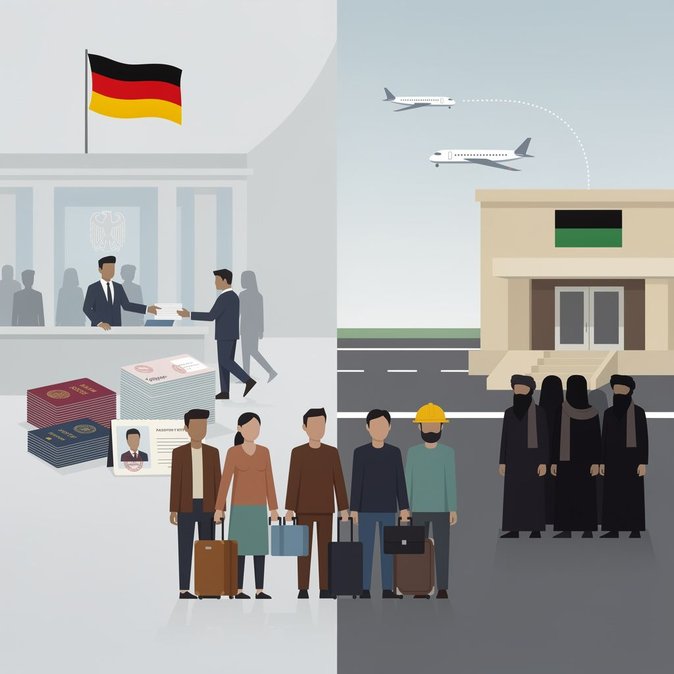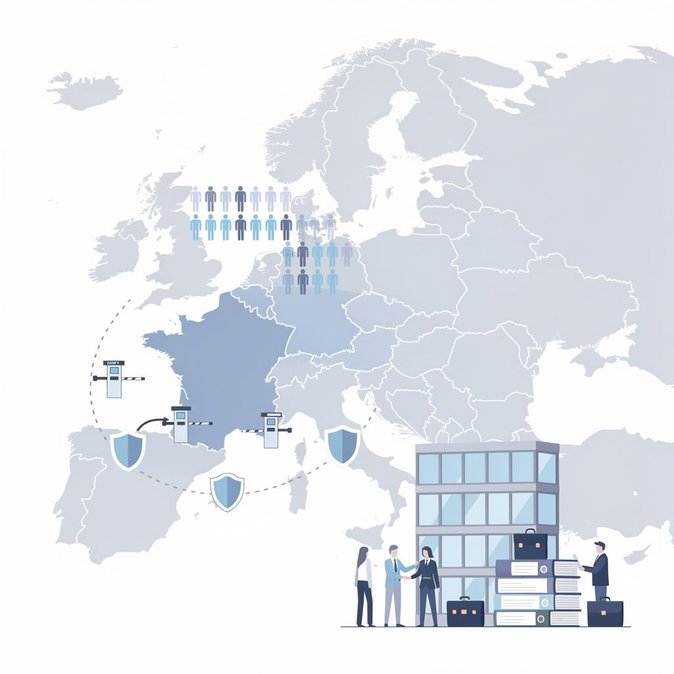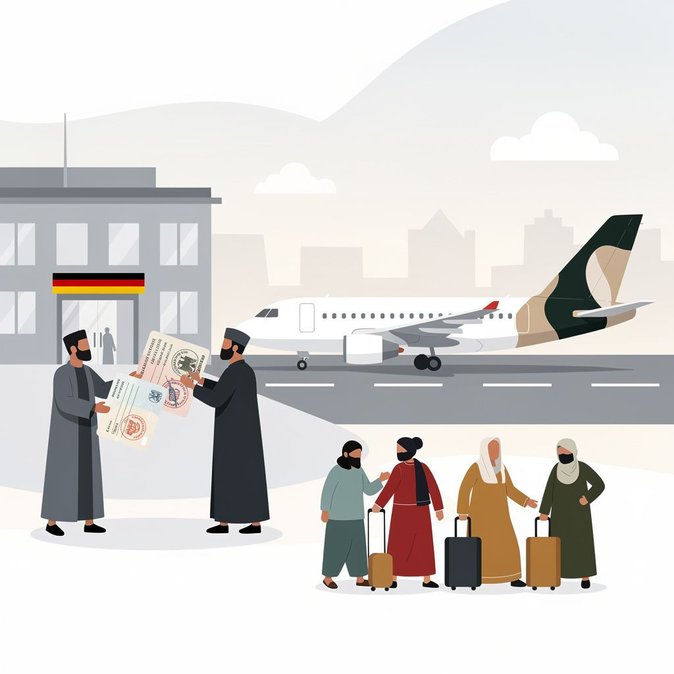
In a move that underscores Germany’s tougher stance on migration enforcement, the Federal Interior Ministry confirmed on Sunday that it has accepted four diplomats nominated by Afghanistan’s Taliban administration to staff the Afghan embassy in Berlin and the consulate in Bonn. Their narrow mandate is to issue temporary travel documents for Afghan nationals who have received final deportation orders after criminal convictions. Until now, the absence of recognised Afghan consular staff meant that German states could deport only a handful of offenders each month, as charter flights require verified identity papers. Interior Minister Alexander Dobrindt (CSU) told reporters that the arrangement “does not constitute political recognition” of the Taliban but is “a technical necessity to protect the German public.” He proposed supplementing individual removals on commercial flights with up to three charter rotations per month, a schedule that could clear the current backlog of roughly 1,200 cases by year-end. Human-rights organisations reacted sharply; Pro Asyl warned the deal “crosses a red line” by normalising engagement with a regime that bars women and girls from education and employment. EU lawmakers are watching closely. Hannah Neumann, a German Green MEP, said that any visa issuance or official meeting “sends a message of legitimacy” and could complicate future EU sanctions. Brussels has so far maintained only informal technical contacts with Taliban representatives, mainly on migration. The German Foreign Office insists the diplomats will enjoy only the limited immunities of administrative and technical staff under the Vienna Convention. For employers of Afghan nationals in Germany, the announcement raises practical questions. HR departments must re-check residence and work-permit validity, especially for staff whose asylum claims were rejected but who hold tolerated status (Duldung). Mobility managers should anticipate tighter background screening for new Afghan hires and potential reputational scrutiny if removal flights accelerate. State governments, which carry out deportations, welcome the clarity but caution that security vetting of the incoming diplomats is essential. North Rhine-Westphalia’s integration minister called for a federal fund to cover rising charter-flight costs—estimated at around €300,000 per operation. If the plan goes ahead, Germany would become the first EU country to run regular deportations to Taliban-controlled Afghanistan since 2021, setting a precedent other member states may follow.
Source: AtlasPress News Agency