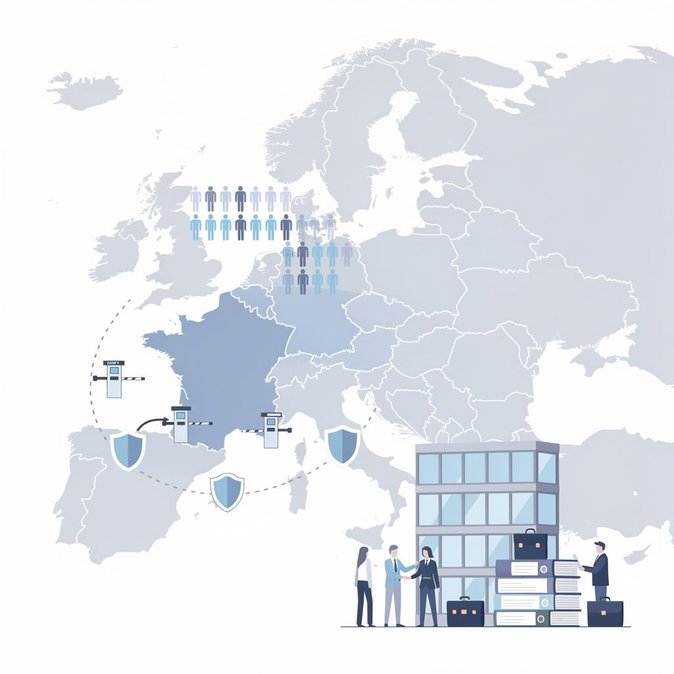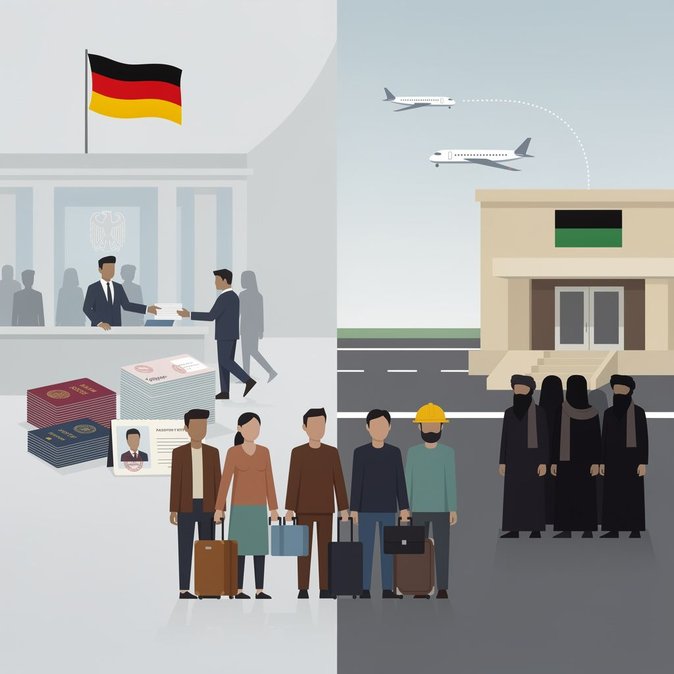
In a controversial shift, the German Interior Ministry confirmed on 5 July 2026 that it has issued visas for four diplomats appointed by the Taliban administration. The quartet will staff Afghanistan’s long-dormant embassy in Berlin and its consulate in Bonn with one overriding mandate: issue temporary travel documents so that German authorities can remove Afghan nationals who have been convicted of crimes or judged a security threat. Germany has not recognised the Taliban since their takeover in 2021, but Interior Minister Alexander Dobrindt (CSU) told parliament that “technical cooperation is unavoidable if deportation orders are to be enforced.” According to ministry figures, roughly 12 000 Afghan citizens in Germany currently have final-order deportation notices; around 2 400 of them were convicted of violent or sexual offences. Deportations had been virtually impossible because Kabul refused to accept charter flights without verifiable laissez-passer documents. The arrangement foresees up to three government-chartered flights per month to Kabul beginning in August, alongside individual removals on commercial services. Human-rights groups including Pro Asyl and Amnesty International warned that formally accrediting Taliban envoys risks legitimising a regime that systematically restricts women’s education and persecutes minorities. EU law-maker Hannah Neumann (Greens/EFA) cautioned that “every visa, every official meeting sends a signal of recognition.” Business-mobility stakeholders are watching the precedent carefully. Some 80 German multinationals employ Afghan nationals on rotation visas; legal advisers say they now face tougher scrutiny when renewing work permits if family members have asylum files. Companies that send staff to Afghanistan for reconstruction or telecom projects must also review corporate-security policies, because the presence of an accredited Taliban mission could alter Germany’s risk classifications for insurance and duty-of-care purposes. For global mobility managers, the immediate takeaway is that deportation cooperation is back on the table. That may relieve political pressure on Berlin to keep broad internal Schengen border checks in place, but it also foreshadows stricter enforcement against any foreign employees who overstay or breach visa conditions.
Source: AtlasPress News Agency