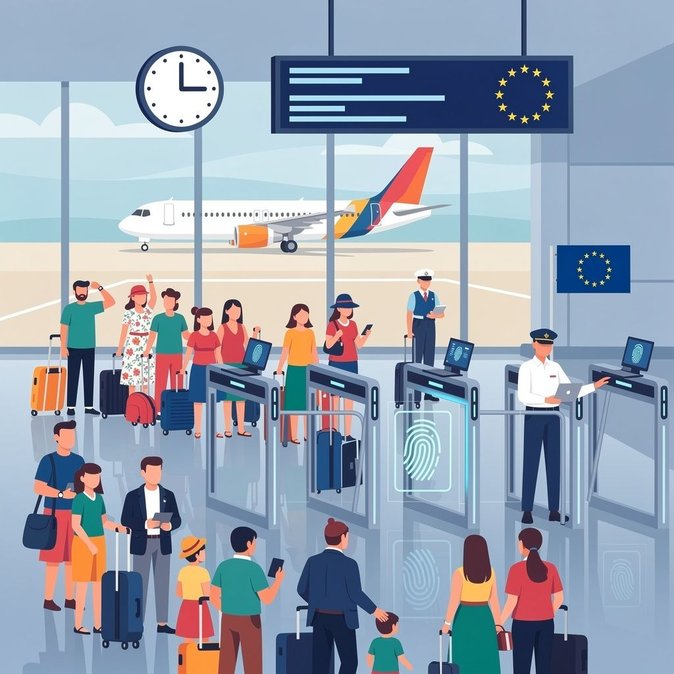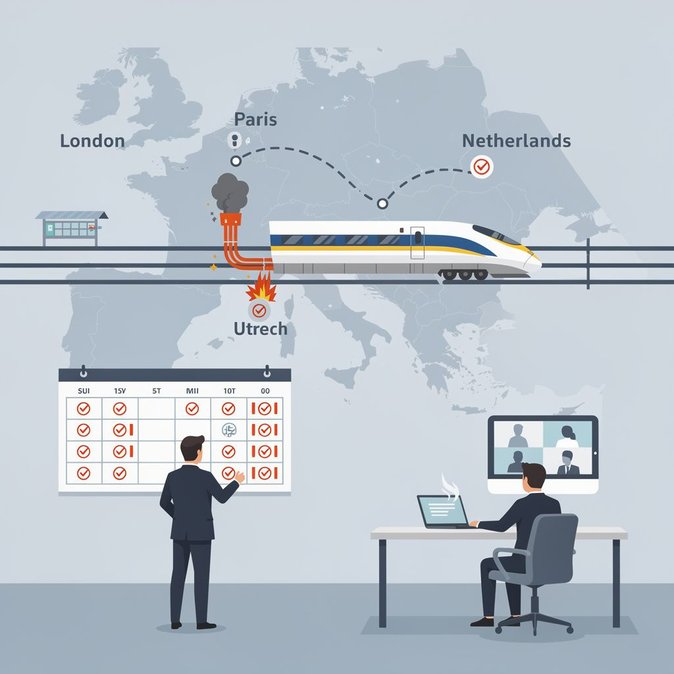
Eurostar confirmed on 6 July that services between London, Brussels, Paris and the Netherlands will remain disrupted until at least early Tuesday after a lineside fire near Rotterdam Centraal on 29 June damaged power cables. Trains that normally call at Rotterdam are being rerouted through Utrecht, extending journey times by roughly 60 minutes and forcing timetable tweaks throughout the high-speed network. The delays hit the Paris business community directly: Thalys/Eurostar trains running Amsterdam–Brussels–Paris must also use the diversion, compressing turn-around times at Paris Nord and squeezing peak-hour seat capacity. Eurostar is allowing fee-free exchanges or refunds, and the UK Foreign Office updated travel advice warning of “severely disrupted” services. Infrastructure manager ProRail said repairs are “in full swing” but cautioned that test trains are required before normal operations can resume. Any new technical issues discovered during testing could push full reopening further into the week. The incident comes as Eurostar is still bedding in its merged Thalys operations and grappling with the EU’s new biometric EES regime, which lengthens border processing for non-EU nationals at Lille and Paris checkpoints. For corporates shuttling staff between French headquarters and Dutch clients, the practical advice is to book flexible tickets, allow an extra hour each way and monitor Eurostar alerts. Organisations with time-sensitive supply-chain links that rely on overnight couriers using the same tracks may also face knock-on scheduling issues. Travel insurers note that rail delays of more than three hours often trigger refund or compensation clauses; travellers should retain tickets and confirmation emails. Eurostar’s own compensation policy credits delayed passengers with vouchers or partial refunds depending on delay length, but claims must be filed within 60 days.
Source: TTG Media