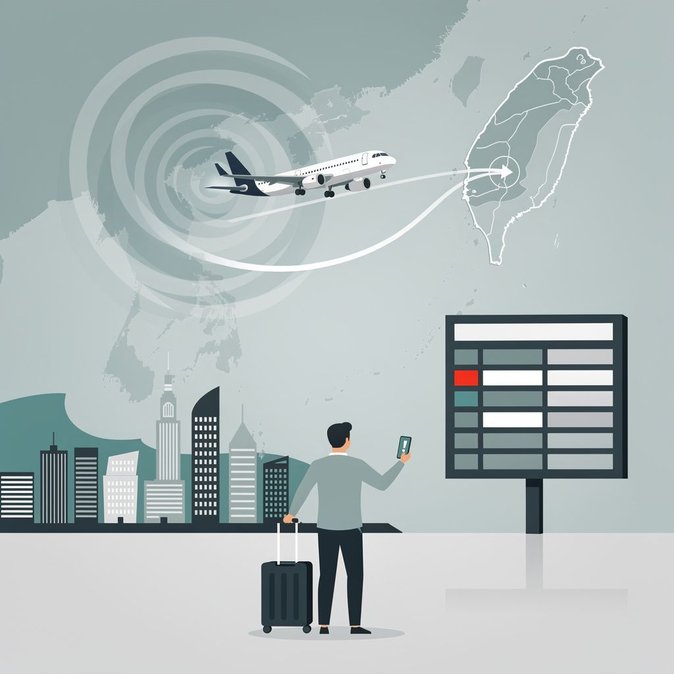
Cathay Pacific activated its adverse-weather playbook on the evening of 6 July after the Joint Typhoon Warning Center upgraded Tropical Cyclone Bavi to super-typhoon status on a projected track skirting Taiwan. In an advisory timestamped 20:57 HKT, the airline said that while Hong Kong operations were proceeding normally, flight schedules to and from Taipei, Taoyuan and Kaohsiung could see short-notice disruption over the next 48 hours. To minimise knock-on effects on global networks, Cathay is waiving rebooking and rerouting fees for tickets issued on or before 6 July with travel between 7–10 July. Customers may change dates or destinations within the same ticketed cabin without surcharge, provided travel is completed by 31 July. The carrier urged passengers to update contact details in “Manage Booking” to receive SMS alerts and reminded corporate account holders to cascade itinerary changes to mobility dashboards. Although the storm’s centre is forecast to remain some 450 km east of Hong Kong, outer rainbands could intersect key air traffic corridors over the Pearl River Delta. HKIA’s two-runway configuration is particularly sensitive to cross-winds from the northeast, and past events have seen arrival rates cut by up to 40 %, causing extended holding patterns and crew timeout diversions to Shenzhen and Macau. Global mobility managers should therefore map critical meetings and project start dates against the 7-10 July window and prepare contingency plans, especially for high-value assignees shuttling between Hong Kong, Taipei and mainland factories. Companies with time-sensitive cargo in belly-hold should also consider switching to all-cargo flights or trucking via Shenzhen if uplift is constrained. Cathay said it will post further bulletins at cathaypacific.com and through its social-media channels. The Hong Kong Observatory expects Bavi to begin weakening once it passes Taiwan’s northern tip, but lingering rainbands may prolong disruption into Friday.
Source: Cathay Pacific – Latest News