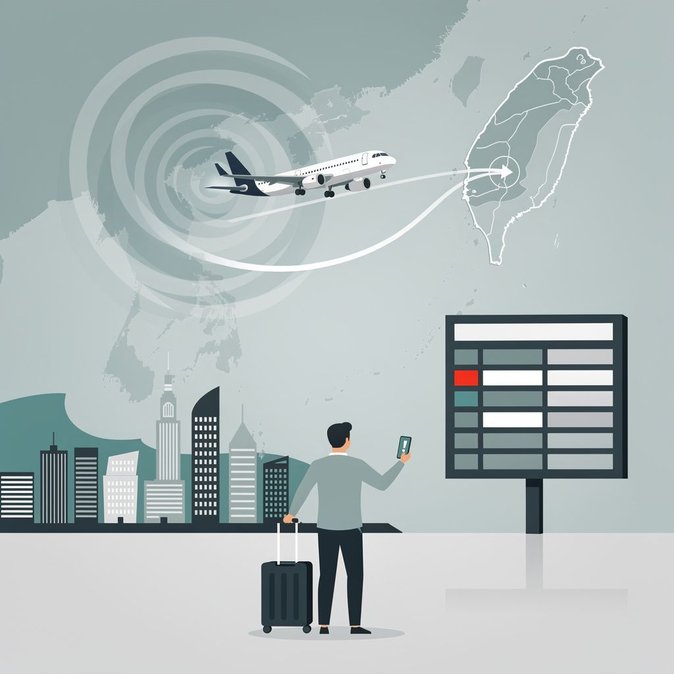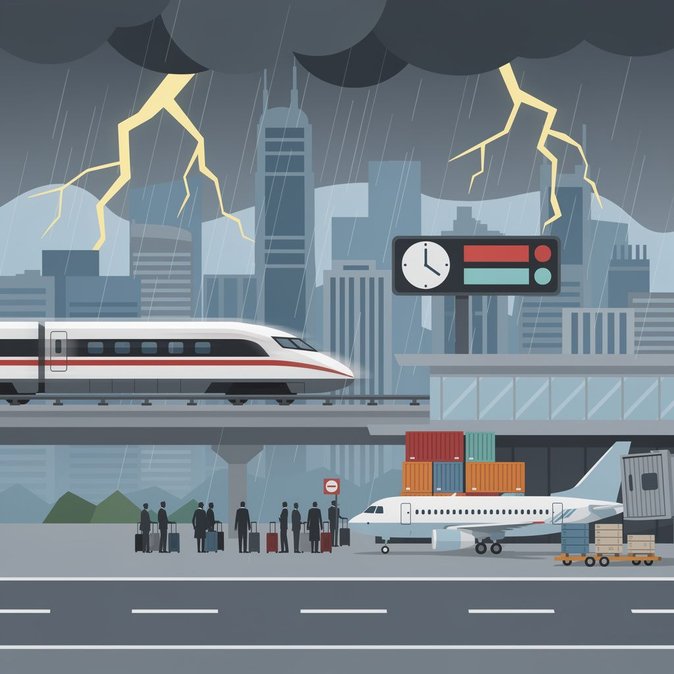
Hong Kong’s transport network endured a difficult start to the week as the Hong Kong Observatory kept a city-wide Thunderstorm Warning in force through the morning of 6 July 2026. The warning, first issued at 22:40 on 5 July and re-validated at 07:05, forecast squally thunderstorms with gusts up to 80 km/h.
For business travellers and cross-border commuters, the most immediate impact was on the Guangzhou-Shenzhen-Hong Kong High-Speed Rail (HSR) corridor. China State Railway Group advised the Mass Transit Railway (MTR) Corporation overnight that Train G928 (Hong Kong West Kowloon → Nanningdong) and the northbound pairing G927 were cancelled for 6 July because of the unstable weather along the Guangxi section of the route. Local traffic–monitoring platform RouteJam reported the notice shortly after 09:00, urging passengers to re-book via the 12306 app or ticket counters. Although only two long-haul trains were pulled, the step signalled the possibility of rolling cancellations if thunderstorm cells persisted over the Pearl River Delta.
In the scramble to re-book tickets, don’t overlook paperwork: if revised dates push you outside existing visa validity, VisaHQ’s Hong Kong team can fast-track replacement visas, China entry permits and other travel documents within hours—see options at
At Hong Kong International Airport (HKIA) the situation was less dramatic but still disruptive. Airlines pre-emptively built additional buffer into block times and warned travellers to arrive earlier than usual. Airport Authority data showed average departure delays creeping above 38 minutes between 06:30 and 10:00, with regional carriers hardest hit as arrival streams were re-sequenced to maintain separation minima during lightning activity. Cargo apron operations were periodically halted under the airport’s "red lightning" protocol, delaying several freighters destined for East Asian hubs.
For companies moving talent between Hong Kong and mainland offices, the episode underscores a perennial summer risk: unlike typhoons, thunderstorm cells develop rapidly and can arrest both rail and air traffic with little notice. Mobility managers should ensure assignees have multi-modal contingency tickets, updated travel-insurance details covering weather-related delays, and access to real-time alert feeds from MTR and HKIA.
Looking ahead, the Observatory expects a return to more stable conditions tonight, but another trough is forecast to approach the coast mid-week. Travellers heading to or through Hong Kong over the next 72 hours should monitor bulletins closely and build extra layover time into itineraries.
For business travellers and cross-border commuters, the most immediate impact was on the Guangzhou-Shenzhen-Hong Kong High-Speed Rail (HSR) corridor. China State Railway Group advised the Mass Transit Railway (MTR) Corporation overnight that Train G928 (Hong Kong West Kowloon → Nanningdong) and the northbound pairing G927 were cancelled for 6 July because of the unstable weather along the Guangxi section of the route. Local traffic–monitoring platform RouteJam reported the notice shortly after 09:00, urging passengers to re-book via the 12306 app or ticket counters. Although only two long-haul trains were pulled, the step signalled the possibility of rolling cancellations if thunderstorm cells persisted over the Pearl River Delta.
In the scramble to re-book tickets, don’t overlook paperwork: if revised dates push you outside existing visa validity, VisaHQ’s Hong Kong team can fast-track replacement visas, China entry permits and other travel documents within hours—see options at
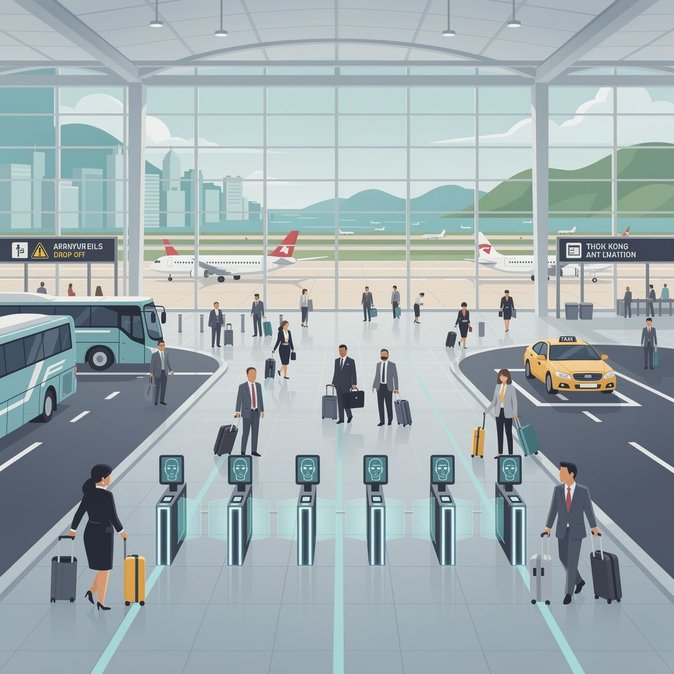
At Hong Kong International Airport (HKIA) the situation was less dramatic but still disruptive. Airlines pre-emptively built additional buffer into block times and warned travellers to arrive earlier than usual. Airport Authority data showed average departure delays creeping above 38 minutes between 06:30 and 10:00, with regional carriers hardest hit as arrival streams were re-sequenced to maintain separation minima during lightning activity. Cargo apron operations were periodically halted under the airport’s "red lightning" protocol, delaying several freighters destined for East Asian hubs.
For companies moving talent between Hong Kong and mainland offices, the episode underscores a perennial summer risk: unlike typhoons, thunderstorm cells develop rapidly and can arrest both rail and air traffic with little notice. Mobility managers should ensure assignees have multi-modal contingency tickets, updated travel-insurance details covering weather-related delays, and access to real-time alert feeds from MTR and HKIA.
Looking ahead, the Observatory expects a return to more stable conditions tonight, but another trough is forecast to approach the coast mid-week. Travellers heading to or through Hong Kong over the next 72 hours should monitor bulletins closely and build extra layover time into itineraries.