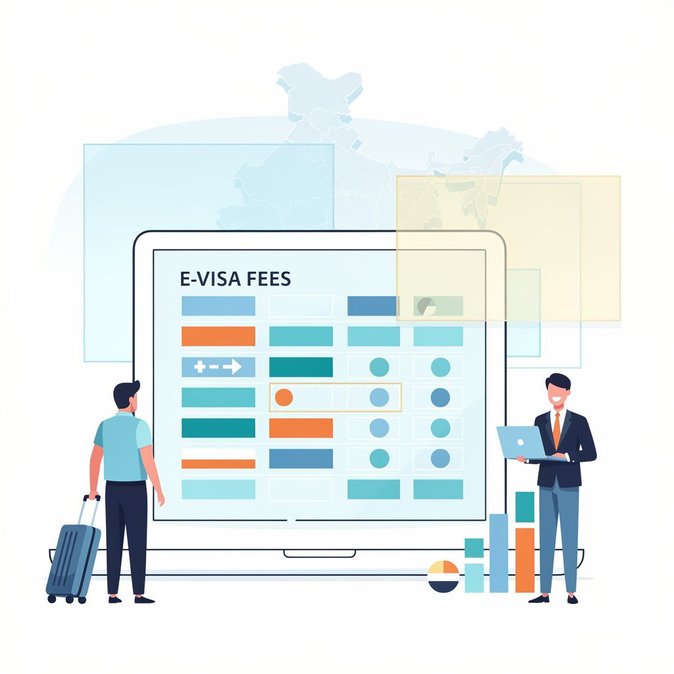
A LegalClarity briefing published on 5 July offers the most comprehensive public rundown to date of India’s e-Visa fee schedule across tourist, business, medical and conference categories. While the government maintains partial tables on its portal, the analysis consolidates scattered embassy notices and reveals several lesser-known concessions and surcharges. Key findings include the tiered tourist-visa pricing of US $10 (30-day, off-season), US $25 (30-day, peak) and US $40 (one-year), plus US $200 for the five-year option. Citizens of more than 20 countries – from Argentina to Vanuatu – pay nothing for any tourist e-Visa, whereas UK nationals face the steepest five-year fee at US $484. The article also flags a 2.5-3 percent card-transaction surcharge that employers often overlook when budgeting bulk applications. For corporates rotating staff on short projects, the briefing notes that the one-year e-Business visa allows multiple 180-day stays but lacks a public fee table; anecdotal evidence suggests prices mirror tourist rates for most nationalities. Medical and conference e-Visas follow an US $80 baseline, with discounts for Japan and Sri Lanka and significant mark-ups for British Crown Dependencies. Why it matters: misunderstanding India’s labyrinthine fee matrix can add thousands of dollars to project costs or trip budgets, particularly for companies working across diverse origin markets. Mobility teams should update cost calculators immediately and factor in the mandatory card surcharge, which is non-refundable even if an application is rejected. The article concludes with best-practice tips on using the official portal, avoiding unofficial agents and reconciling receipts for GST-credit purposes – advice that can spare finance departments audit headaches.
Source: LegalClarity