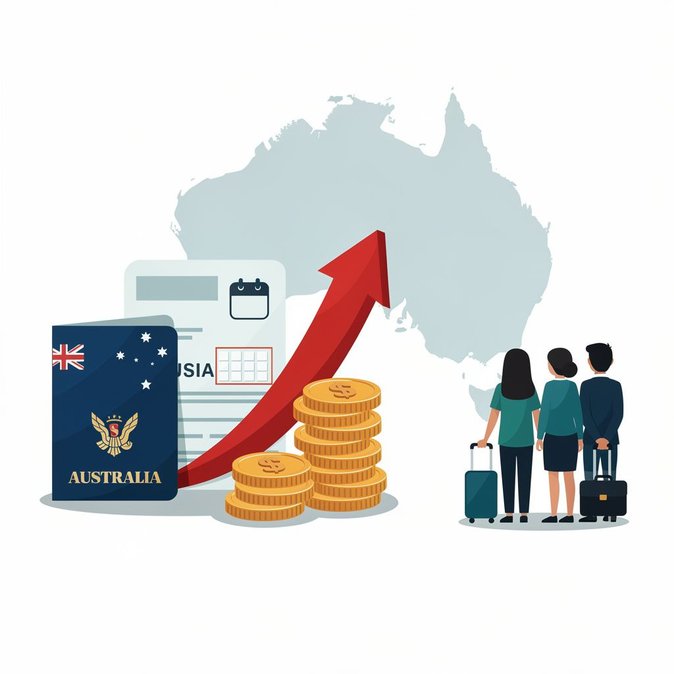
The Australian Tourism Export Council (ATEC) has sounded the alarm after visitor-visa charges climbed for the fourth time in as many years. From 1 July the Subclass 600 visitor visa rose from AUD 200 to AUD 250, while Working Holiday Maker (WHM) visas jumped to AUD 840. ATEC Managing Director Peter Shelley told AccomNews the cumulative 65 % rise since 2022 threatens Australia’s competitiveness against Canada, New Zealand and Japan, where entry visas remain under AUD 400. Regional operators — already battling air-capacity shortages and a strong dollar — fear that backpackers will choose cheaper OECD destinations, draining seasonal labour from strawberry farms in Queensland to ski fields in Victoria. Shelley urged the government to ring-fence WHM fees from broader revenue-raising measures, arguing that every WHM spends about AUD 10,000 in regional communities. Industry modelling suggests that a 5 % fall in WHM arrivals would shave A$500 million from tourism GDP and put 4,000 jobs at risk. Larger hotel chains are watching closely: Hilton and Accor told the Senate in May that backpackers account for up to 15 % of their casual workforce outside capital cities. Travel suppliers are now lobbying Treasury for a differentiated fee structure that rewards longer stays and regional work commitments, mirroring New Zealand’s 23-month WHM model. In the meantime, procurement teams should budget higher visa costs into incentive-travel and conference bids through FY 2026-27.
Source: AccomNews