
The Walloon public employment service, Le Forem, released its eagerly awaited 2026 shortage-occupation list on 7 July 2026, identifying 144 professions where employers struggle most to recruit. The updated methodology now uses a single ‘global criticality index’ that blends recruitment difficulty, hiring intensity and labour-market tension, replacing the old binary split between ‘shortage job’ and ‘critical function.’ Construction remains the most affected sector, with 38 occupations on the list—19 of them newly added—as Wallonia accelerates green-renovation projects and major infrastructure upgrades. Technology, health care and social services each contribute 19 occupations, underscoring demographic and digital-transition pressures. Newcomers to the list include community managers, energy-performance assessors and industrial electricians, while store sales assistants and body-shop preparers drop off, reflecting shifting demand patterns. Why does the list matter for global mobility? Under Belgian immigration law, foreign workers hired for a listed occupation enjoy streamlined Single Permit processing and, in many cases, lower salary thresholds. Multinational employers in Liège, Charleroi and Namur can therefore tap overseas talent more quickly—provided job descriptions align precisely with Forem codes. HR teams should cross-reference open requisitions against the new codes and recalibrate relocation timelines. They should also prepare to demonstrate genuine efforts to recruit locally: regional authorities increasingly audit applications to ensure the shortage-list mechanism is not abused to undercut wages. Forem will update the list annually, and lawmakers are considering an intra-year fast-track to add occupations in response to acute market shocks.
Source: Wallonie.be
How VisaHQ can help
VisaHQ simplifies the visa application process for individuals and businesses. Check current travel requirements, prepare the required documents and manage your application online through the VisaHQ Belgium portal.More From Belgium
View all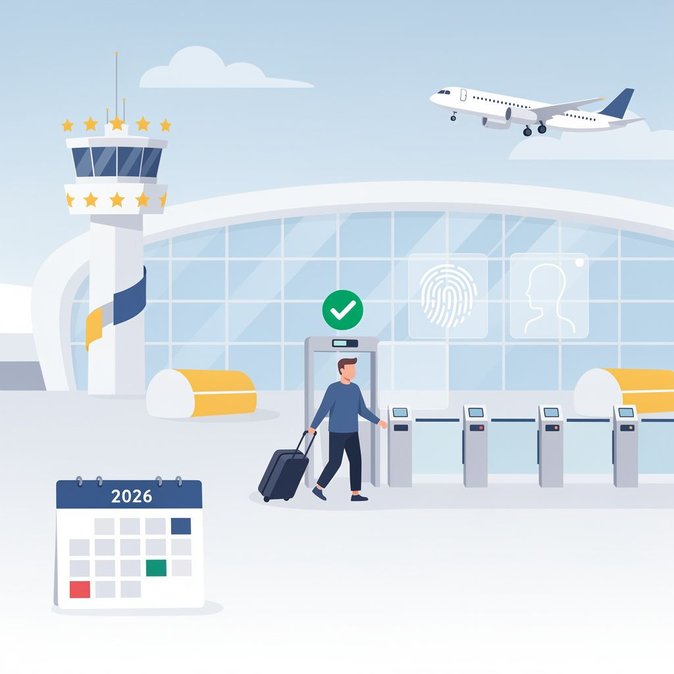
EU lets Member States keep partial suspension of EES biometrics through summer, easing pressure at Brussels Airport
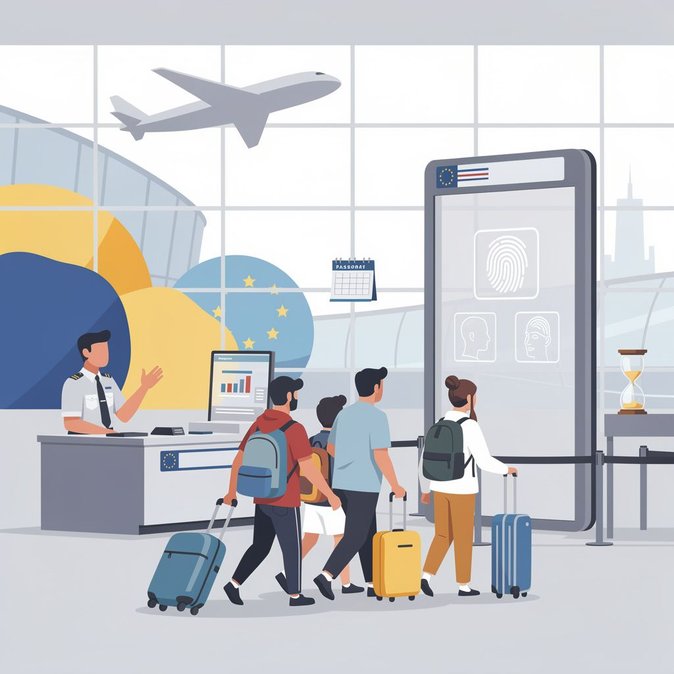
EU allows partial suspension of biometric capture under Entry/Exit System until end of summer