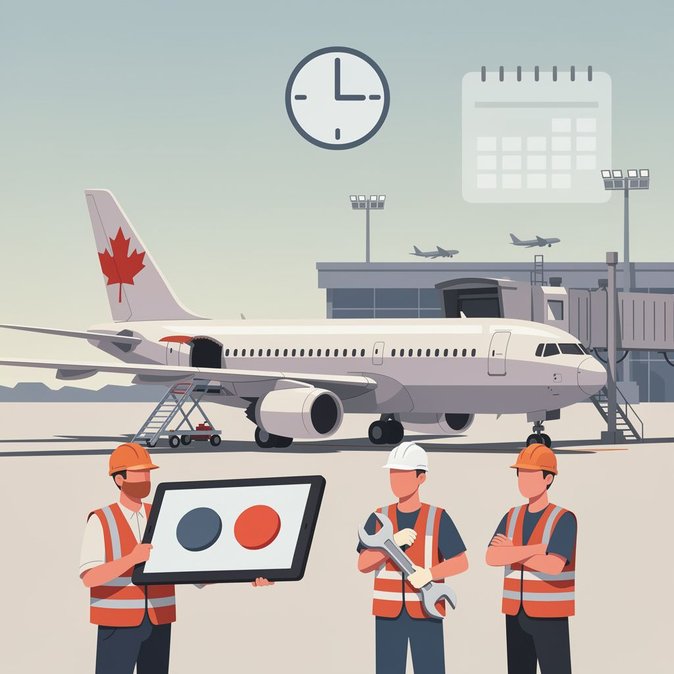
The International Association of Machinists and Aerospace Workers (IAMAW) Local 2323 opened online registration on 7 July 2026 for a strike vote among more than 8,500 Tech-Ops, Maintenance and Operational Support (TMOS) employees at Air Canada. Under section 87.3 of the Canada Labour Code, a strike vote must be concluded within 60 days of possible job action; the bargaining unit could therefore be in a legal strike position as early as 21 July if talks fail. Negotiations on a new collective agreement stalled last month over wage grids and scheduling. While Air Canada reached a tentative deal with customer-service agents in May, the TMOS group—which includes licensed aircraft-maintenance engineers, avionics specialists, baggage-handling supervisors and inventory staff—remains without an agreement.
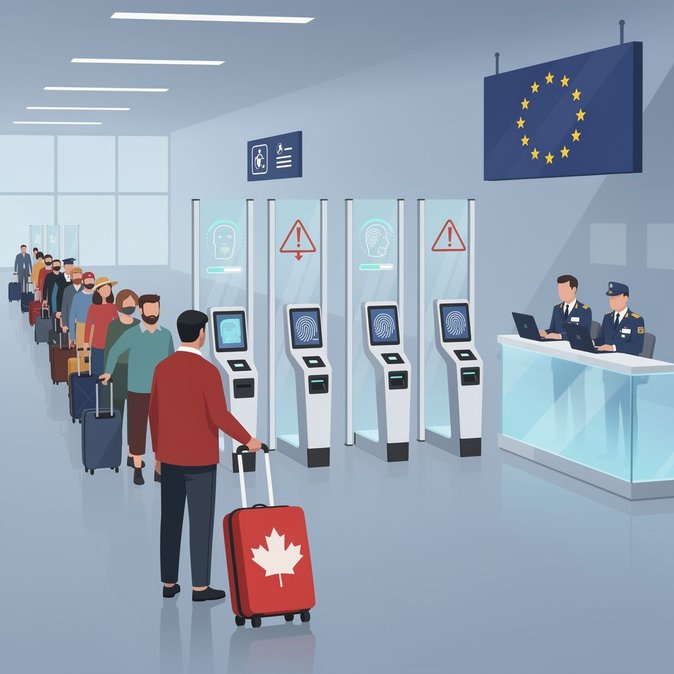
In the meantime, organisations and individual travellers grappling with last-minute itinerary changes may also run into unexpected passport or visa requirements—especially if they switch to foreign carriers or reroute through different countries. VisaHQ’s online platform can expedite travel-document processing, track application status in real time and provide dedicated support for Canadian companies moving staff worldwide, helping mobility teams maintain productivity even while flight schedules are in flux.
For corporate mobility managers, a potential work stoppage raises immediate contingency-planning questions. TMOS members are critical to turn-around times, aircraft dispatch reliability and cargo handling; even a limited strike could trigger cascading delays across domestic and international networks during the high-volume summer travel period. Air Canada has told investors it is “optimistic” a negotiated settlement is achievable, citing the airline’s recovery strategy post-pandemic and current profitability targets. However, the IAMAW says members are seeking wage adjustments that reflect higher living costs and the technical skill required to maintain modern Airbus A220 and Boeing 787 fleets. Businesses with employee-relocation programmes or project teams flying on tight timelines should monitor the situation closely. Alternatives include booking on partner carriers under interline agreements or building extra connection windows into mid-July itineraries. If a strike proceeds, Transport Canada could intervene with mediation or back-to-work legislation, but such measures are not guaranteed and often come after initial service disruptions.
In the meantime, organisations and individual travellers grappling with last-minute itinerary changes may also run into unexpected passport or visa requirements—especially if they switch to foreign carriers or reroute through different countries. VisaHQ’s online platform can expedite travel-document processing, track application status in real time and provide dedicated support for Canadian companies moving staff worldwide, helping mobility teams maintain productivity even while flight schedules are in flux.
For corporate mobility managers, a potential work stoppage raises immediate contingency-planning questions. TMOS members are critical to turn-around times, aircraft dispatch reliability and cargo handling; even a limited strike could trigger cascading delays across domestic and international networks during the high-volume summer travel period. Air Canada has told investors it is “optimistic” a negotiated settlement is achievable, citing the airline’s recovery strategy post-pandemic and current profitability targets. However, the IAMAW says members are seeking wage adjustments that reflect higher living costs and the technical skill required to maintain modern Airbus A220 and Boeing 787 fleets. Businesses with employee-relocation programmes or project teams flying on tight timelines should monitor the situation closely. Alternatives include booking on partner carriers under interline agreements or building extra connection windows into mid-July itineraries. If a strike proceeds, Transport Canada could intervene with mediation or back-to-work legislation, but such measures are not guaranteed and often come after initial service disruptions.