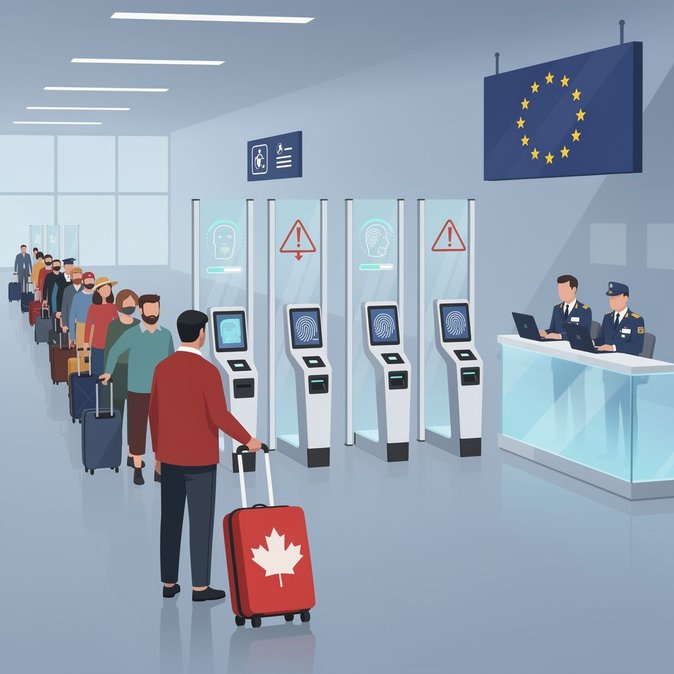
The European Union’s long-anticipated Entry/Exit System (EES) and related ETIAS travel authorisation will not fully launch until at least mid-2027, according to reports on 7 July 2026 from trade publication Global Trade News. Technical glitches in fingerprint and facial-recognition infrastructure have caused “queue chaos” at several European airports during recent pilot runs, prompting EU-LISA—the agency overseeing the project—to postpone the next roll-out phase. For Canadians, the delay is a mixed blessing.
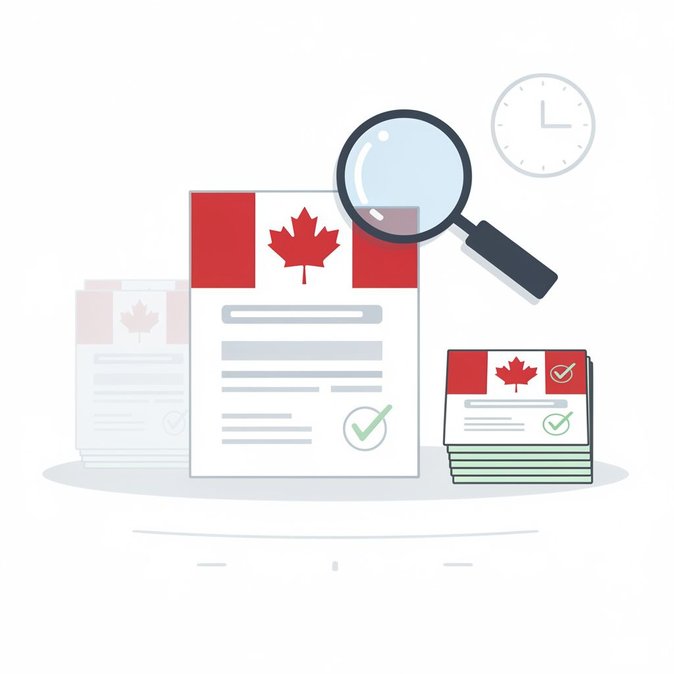
In the meantime, travellers and companies looking for hands-on assistance can leverage VisaHQ’s Canada portal. The platform tracks regulatory changes, offers step-by-step guidance, and will automatically shift from traditional Schengen visa support to ETIAS filing the moment the programme activates, allowing Canadian tourists and corporate road-warriors alike to stay compliant without the paperwork headache.
When operational, ETIAS will require visa-exempt travellers to obtain a paid pre-authorisation before entering the Schengen Area, similar to the U.S. ESTA. Postponement means Canadians can continue visa-free entry using only a passport for at least another year, avoiding a new EUR 7 fee and potential processing uncertainties. However, the technical issues underpinning the delay are already causing longer border waits for non-EU passengers, including Canadians transiting major hubs such as Frankfurt, Amsterdam and Paris. Airlines warn that first-time biometric enrolment can add 20–40 minutes per passenger, increasing the risk of missed connections. Travel-insurance providers in Europe have begun excluding compensation for delays linked to EES processing, raising out-of-pocket costs if itineraries unravel. Corporate mobility managers should brief employees on potential airport bottlenecks and build extra time into European connections, especially for meetings that require same-day arrival. Canadian tour operators are also advised to monitor the European Commission’s revised implementation timeline, expected after an EU-LISA board meeting in September. While ETIAS is deferred, experts note that eventual adoption is inevitable, and Canadian businesses with frequent European travel should prepare data-collection protocols to handle passport information securely and at scale once bulk applications become necessary.
In the meantime, travellers and companies looking for hands-on assistance can leverage VisaHQ’s Canada portal. The platform tracks regulatory changes, offers step-by-step guidance, and will automatically shift from traditional Schengen visa support to ETIAS filing the moment the programme activates, allowing Canadian tourists and corporate road-warriors alike to stay compliant without the paperwork headache.
When operational, ETIAS will require visa-exempt travellers to obtain a paid pre-authorisation before entering the Schengen Area, similar to the U.S. ESTA. Postponement means Canadians can continue visa-free entry using only a passport for at least another year, avoiding a new EUR 7 fee and potential processing uncertainties. However, the technical issues underpinning the delay are already causing longer border waits for non-EU passengers, including Canadians transiting major hubs such as Frankfurt, Amsterdam and Paris. Airlines warn that first-time biometric enrolment can add 20–40 minutes per passenger, increasing the risk of missed connections. Travel-insurance providers in Europe have begun excluding compensation for delays linked to EES processing, raising out-of-pocket costs if itineraries unravel. Corporate mobility managers should brief employees on potential airport bottlenecks and build extra time into European connections, especially for meetings that require same-day arrival. Canadian tour operators are also advised to monitor the European Commission’s revised implementation timeline, expected after an EU-LISA board meeting in September. While ETIAS is deferred, experts note that eventual adoption is inevitable, and Canadian businesses with frequent European travel should prepare data-collection protocols to handle passport information securely and at scale once bulk applications become necessary.