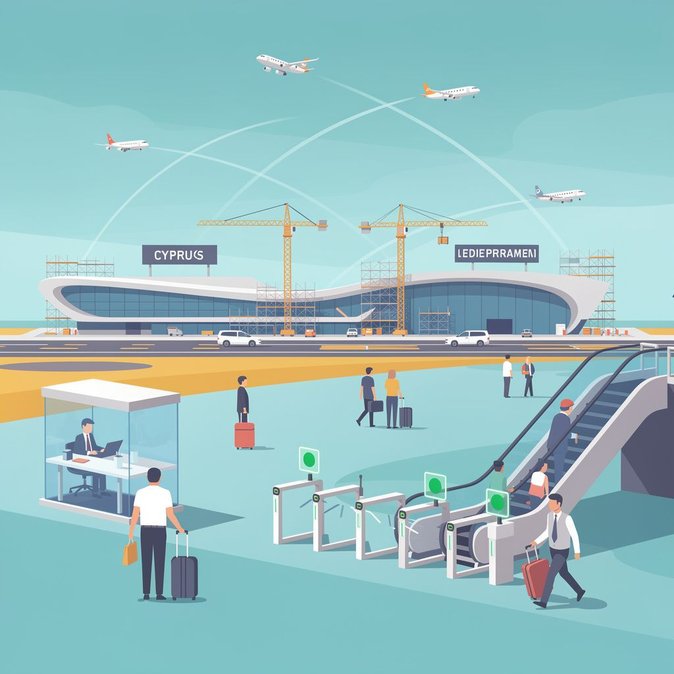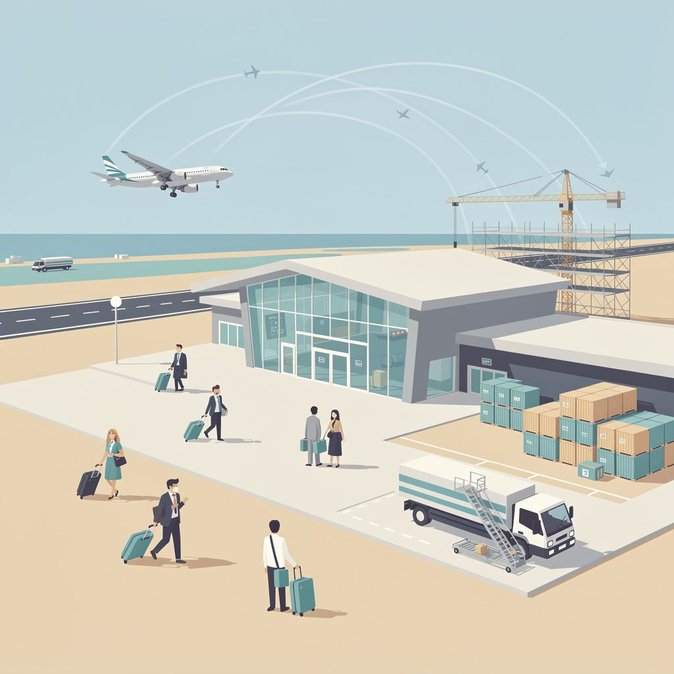
Cyprus officially launched the long-awaited “Phase II” expansion programme for its two international gateways on 7 July 2026, when President Nikos Christodoulides laid the foundation stone at Larnaca International Airport. Operated by Hermes Airports, the €170 million project will add 20,000 m² of terminal space at Larnaca, create a new wing with six additional departure and arrival gates, extra baggage-reclaim belts, larger duty-free and food-and-beverage areas, and a parallel taxiway extension that improves aircraft turnaround times.
For travellers planning to take advantage of the island’s expanding flight network, VisaHQ offers a quick online portal for Cyprus visa applications, provides expert document review, and arranges secure courier delivery—visit to ensure your paperwork is in order well before you set foot in the new terminals.
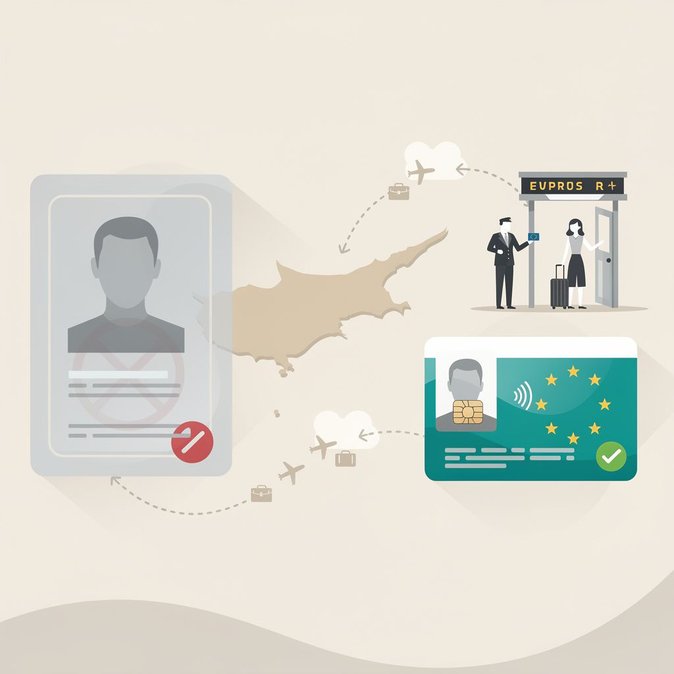
Paphos International Airport will also see its terminal capacity rise by about 30 %, with redesigned security and passport-control zones intended to cut queueing times during the busy summer season. Financed entirely by Hermes without recourse to state funds, the works follow protracted negotiations with the Ministry of Transport and a December 2025 concession amendment that gave the private operator the green light to proceed. Construction is being delivered by a Bouygues Bâtiment International–Iacovou Brothers joint venture and is scheduled to last 30 months in Larnaca and 27 months in Paphos, allowing both airports to stay fully operational throughout. Once finished, Larnaca will be able to handle 12.4 million passengers a year—almost double the island’s current population—while Paphos will reach the 5 million-passenger mark. Hermes says the extra capacity is crucial as Cyprus seeks to diversify tourism markets and attract year-round conferences, medical travellers and corporate retreats. Airlines have already signalled interest: Wizz Air and British Airways have asked for additional slots for summer 2027, and Gulf carriers are reportedly evaluating wide-body operations once the taxiway extension is complete. For business-travel managers, the project promises shorter connection times, more lounge space and a smoother experience at immigration, especially once new e-gates and upgraded Schengen-compliant passport booths come online in 2028. Local exporters also benefit: a bigger apron and improved cargo handling areas will raise freight capacity by 40 %, making it easier to ship high-value pharmaceuticals and perishables to Europe and the Middle East. Cyprus’ airports are already a bellwether for the island’s economic health—air connectivity supports roughly 22 % of GDP—and officials view the expansion as a statement of resilience after two years of regional security shocks that temporarily depressed seat capacity. By locking in extra room well before demand rebounds fully, Cyprus hopes to future-proof its role as the Eastern Mediterranean’s preferred hub for leisure and corporate traffic alike.
For travellers planning to take advantage of the island’s expanding flight network, VisaHQ offers a quick online portal for Cyprus visa applications, provides expert document review, and arranges secure courier delivery—visit to ensure your paperwork is in order well before you set foot in the new terminals.
Paphos International Airport will also see its terminal capacity rise by about 30 %, with redesigned security and passport-control zones intended to cut queueing times during the busy summer season. Financed entirely by Hermes without recourse to state funds, the works follow protracted negotiations with the Ministry of Transport and a December 2025 concession amendment that gave the private operator the green light to proceed. Construction is being delivered by a Bouygues Bâtiment International–Iacovou Brothers joint venture and is scheduled to last 30 months in Larnaca and 27 months in Paphos, allowing both airports to stay fully operational throughout. Once finished, Larnaca will be able to handle 12.4 million passengers a year—almost double the island’s current population—while Paphos will reach the 5 million-passenger mark. Hermes says the extra capacity is crucial as Cyprus seeks to diversify tourism markets and attract year-round conferences, medical travellers and corporate retreats. Airlines have already signalled interest: Wizz Air and British Airways have asked for additional slots for summer 2027, and Gulf carriers are reportedly evaluating wide-body operations once the taxiway extension is complete. For business-travel managers, the project promises shorter connection times, more lounge space and a smoother experience at immigration, especially once new e-gates and upgraded Schengen-compliant passport booths come online in 2028. Local exporters also benefit: a bigger apron and improved cargo handling areas will raise freight capacity by 40 %, making it easier to ship high-value pharmaceuticals and perishables to Europe and the Middle East. Cyprus’ airports are already a bellwether for the island’s economic health—air connectivity supports roughly 22 % of GDP—and officials view the expansion as a statement of resilience after two years of regional security shocks that temporarily depressed seat capacity. By locking in extra room well before demand rebounds fully, Cyprus hopes to future-proof its role as the Eastern Mediterranean’s preferred hub for leisure and corporate traffic alike.