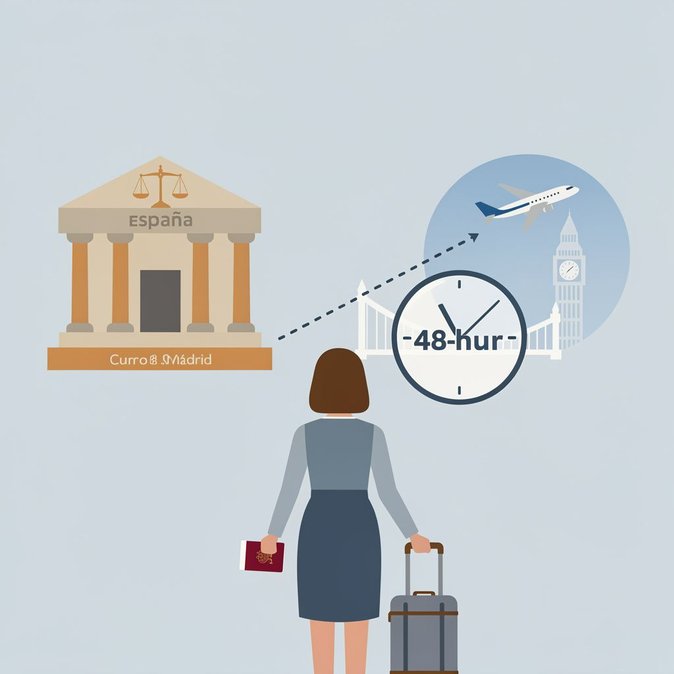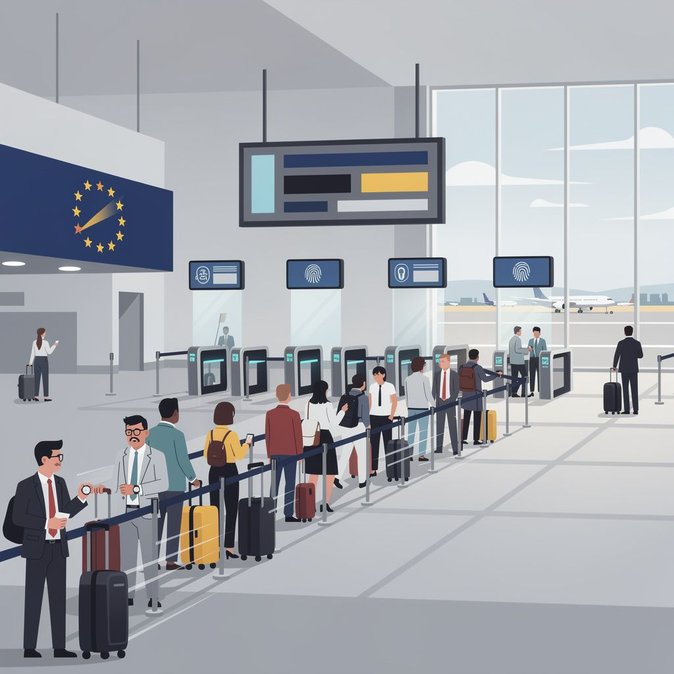
Just three months after the European Union’s Entry/Exit System (EES) became fully operational, Spanish airports are grappling with their first high-summer stress test. Trade bodies ACI Europe, Airlines for Europe and IATA have written an open letter to the European Commission warning that biometric processing times—fingerprints and facial images—are stretching border queues to three hours or more at Madrid, Barcelona, Málaga and Palma. At peak arrivals the lines have spilled into terminal corridors, forcing some carriers to delay departures or off-load connecting passengers. The EES replaces passport stamps for non-EU nationals and is intended to strengthen overstaying controls, but the hardware rollout has collided with legacy terminal layouts and chronic staffing gaps at Policía Nacional border posts. Industry groups want Brussels to grant local authorities explicit powers to suspend or down-grade biometric enrolment when queues exceed safe limits, at least through October 2026. Several airports in Portugal and Italy have already invoked ad-hoc pauses to prevent operational meltdowns. For corporate mobility teams the immediate advice is pragmatic: budget an extra 30-45 minutes for first-time EES registration, build longer connection buffers and watch airline notifications closely. Travellers who enrolled on a previous trip move faster, but manual fallback lanes can still cause unequal wait times within the same party. Spanish border officials acknowledge teething problems but stress that enrolment will speed up once the tourist surge subsides and repeat-traveller data accumulate in the system. Meanwhile, airport operators are racing to install additional kiosks and to re-configure queue lanes before the August holiday peak. Whether the Commission heeds the airlines’ call for wider flexibility could determine how bruising the remainder of the summer proves for Spain’s visitor economy.
Source: The Traveler
How VisaHQ can help
VisaHQ simplifies the visa application process for individuals and businesses. Check current travel requirements, prepare the required documents and manage your application online through the VisaHQ Spain portal.More From Spain
View all
Supreme Court orders Interior Ministry to reveal nationalities of migrants held in Spain’s detention centres
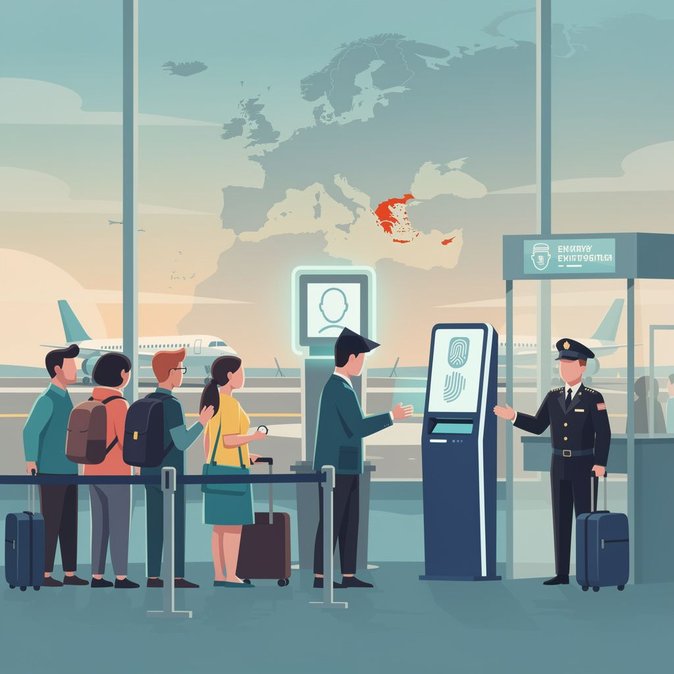
Brussels rules out full summer suspension of the EU Entry/Exit System but keeps biometric ‘pause’ option until September