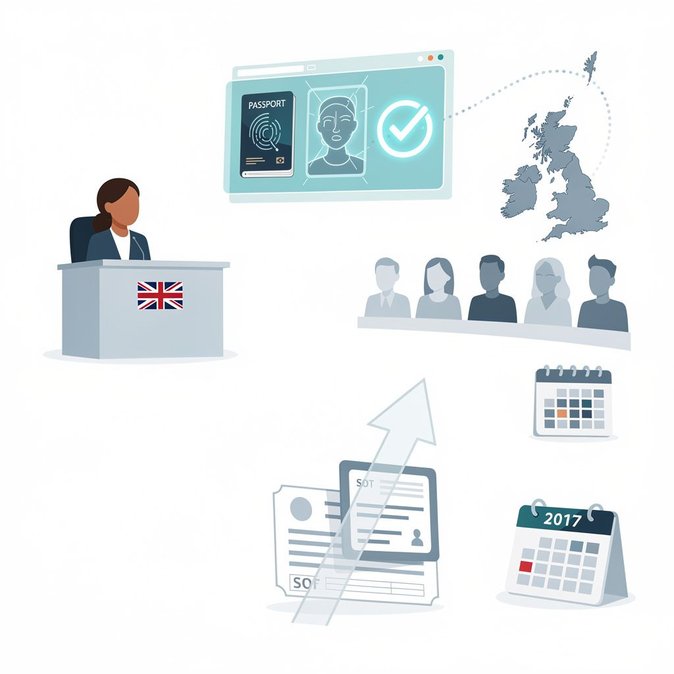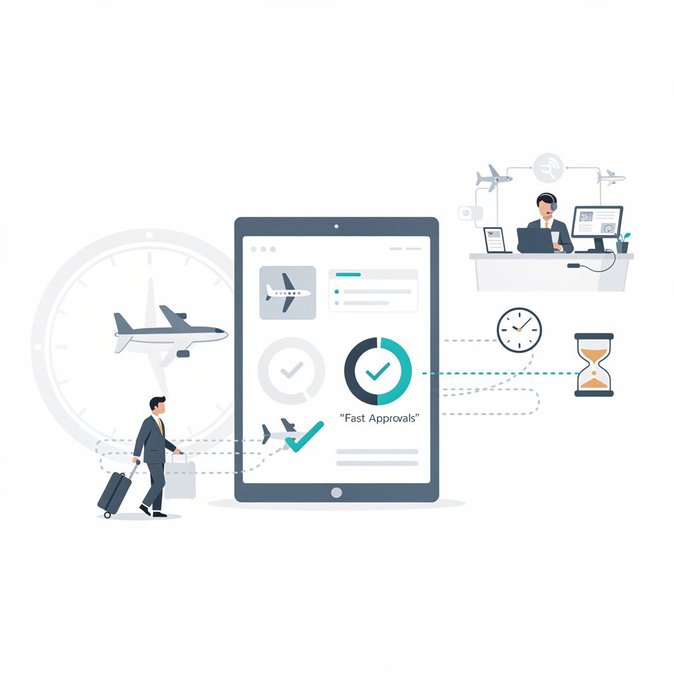
Speaking at a transport round-table covered by Travel And Tour World on 7 July 2026, Home Office officials said average processing times for the UK’s Electronic Travel Authorisation (ETA) will drop to "around 30 minutes" by September thanks to new risk-scoring algorithms and extra cloud capacity. Current median turnaround stands at two hours, with 97 percent decided within 24 hours.
Travellers who prefer a guided application process may find it easier to use a specialist like VisaHQ, which already supports UK visa and ETA filings through its dedicated portal. The service can pre-screen passports, flag common errors, and push status alerts to both the traveller and the travel manager, further shortening the feedback loop and reducing the risk of last-minute surprises.
To help carriers cope with real-time permission checks, Border Force confirmed a new Airline Support Desk will go live in October—just before schools’ half-term and the Diwali travel rush. The desk will give airlines a direct API and phone channel to troubleshoot ‘authority to carry’ rejects, replacing the ad-hoc escalation emails many operators rely on today. The announcement addresses mounting criticism from the aviation sector that ETA error codes are opaque and can leave travellers stranded. Border Force says the desk will operate 24/7 from Manchester and be staffed by both technical specialists and immigration officers empowered to override false negatives. For corporate mobility programmes, the key takeaway is that faster ETA decisions should reduce lead-times for short-notice trips from visa-waiver markets such as the US, Canada and Japan. Travel managers should still advise employees to apply at least 72 hours before departure until performance data confirms the 30-minute target is consistently met. The Home Office added that a public dashboard showing live ETA service levels will be published monthly from November, mirroring the visa processing statistics already released on GOV.UK. Transparency, officials hope, will build confidence as the UK moves towards a fully digital border by 2027.
Travellers who prefer a guided application process may find it easier to use a specialist like VisaHQ, which already supports UK visa and ETA filings through its dedicated portal. The service can pre-screen passports, flag common errors, and push status alerts to both the traveller and the travel manager, further shortening the feedback loop and reducing the risk of last-minute surprises.
To help carriers cope with real-time permission checks, Border Force confirmed a new Airline Support Desk will go live in October—just before schools’ half-term and the Diwali travel rush. The desk will give airlines a direct API and phone channel to troubleshoot ‘authority to carry’ rejects, replacing the ad-hoc escalation emails many operators rely on today. The announcement addresses mounting criticism from the aviation sector that ETA error codes are opaque and can leave travellers stranded. Border Force says the desk will operate 24/7 from Manchester and be staffed by both technical specialists and immigration officers empowered to override false negatives. For corporate mobility programmes, the key takeaway is that faster ETA decisions should reduce lead-times for short-notice trips from visa-waiver markets such as the US, Canada and Japan. Travel managers should still advise employees to apply at least 72 hours before departure until performance data confirms the 30-minute target is consistently met. The Home Office added that a public dashboard showing live ETA service levels will be published monthly from November, mirroring the visa processing statistics already released on GOV.UK. Transparency, officials hope, will build confidence as the UK moves towards a fully digital border by 2027.