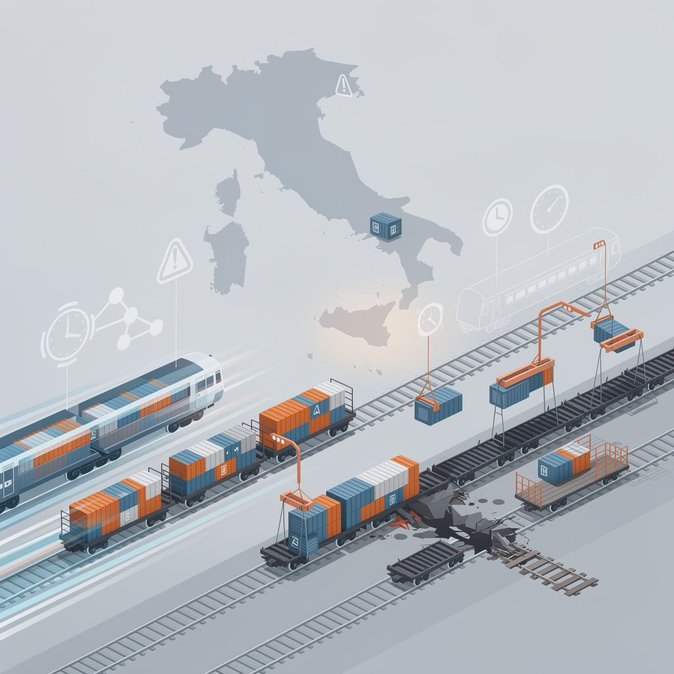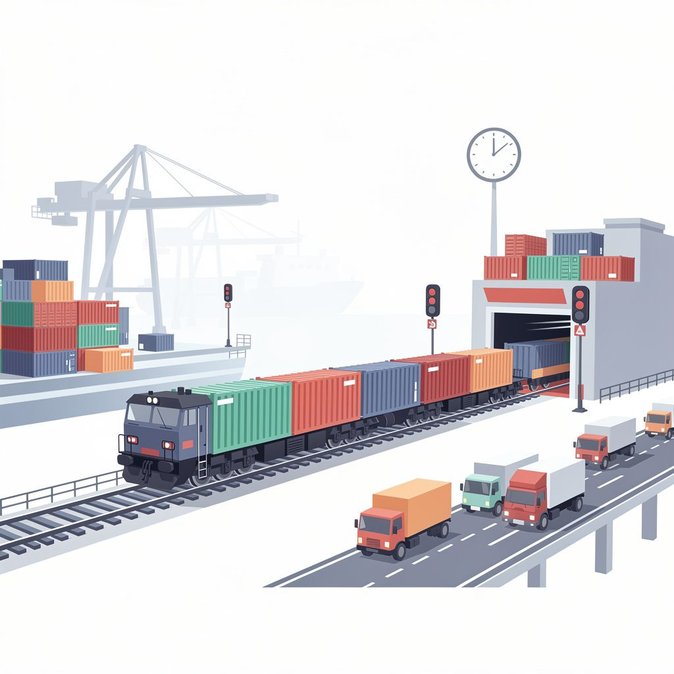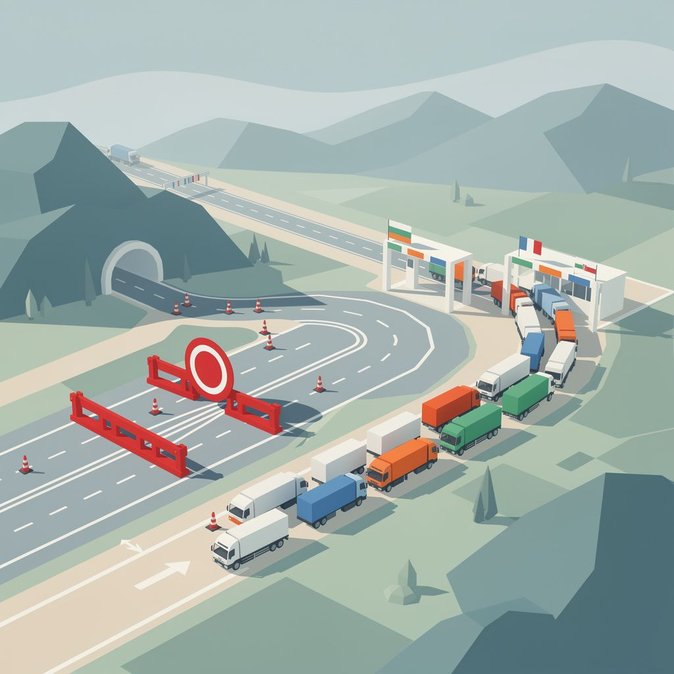
Cross-border commuters and freight operators face a new bottleneck on the north-eastern frontier: Slovenia closed the west-bound carriageway of the H4 Vipava–Razdrto expressway on 5 July for a 132-day upgrade, cutting a major artery that funnels trucks toward Italy’s Gorizia-Trieste corridor. During the works all vehicles over 3.5 t must detour via the A1 Ljubljana–Koper motorway and exit at the Fernetti/Sežana crossing—already congested since Italy reinstated Schengen checks in 2023. Trieste-based Autostrade Alto Adriatico projects traffic at the Lisert toll plaza will jump by 30 % in the first fortnight, with queues potentially spilling back three kilometres during evening peaks. To mitigate jams, Italian and Slovenian authorities agreed to deploy “safety-car” pacing vehicles, expand contactless toll lanes and divert light vehicles onto the A34 Villesse–Gorizia route when congestion exceeds 20 minutes. For corporate mobility teams the closure has two main consequences. First, delivery lead times from Slovenian manufacturers and the Port of Koper to Italian plants will lengthen by 45–90 minutes. Second, employees who commute daily from Slovenia’s Vipava Valley to Italian offices should budget extra travel time or use regional rail services where available. Employers may need to adapt working-hours policies or provide remote-work options until the highway re-opens in late November. Travel-risk managers should also watch how the detour interacts with Italy’s ongoing border-control regime. Customs and police inspections at Fernetti remain selective but could tighten if migrant flows rise, further slowing traffic. Logistics providers recommend pre-filing CMR documents and using the AETR rest-period calculator to avoid fines triggered by unexpected waiting times. The H4 upgrade is part of Slovenia’s €410 million plan to modernise the Vipava corridor before the 2027 Alpine Winter Games. Similar lane closures are scheduled for spring 2027, so businesses may want to explore rail alternatives on the Udine–Nova Gorica route for time-sensitive cargo and staff transfers.
Source: TrasportoEuropa