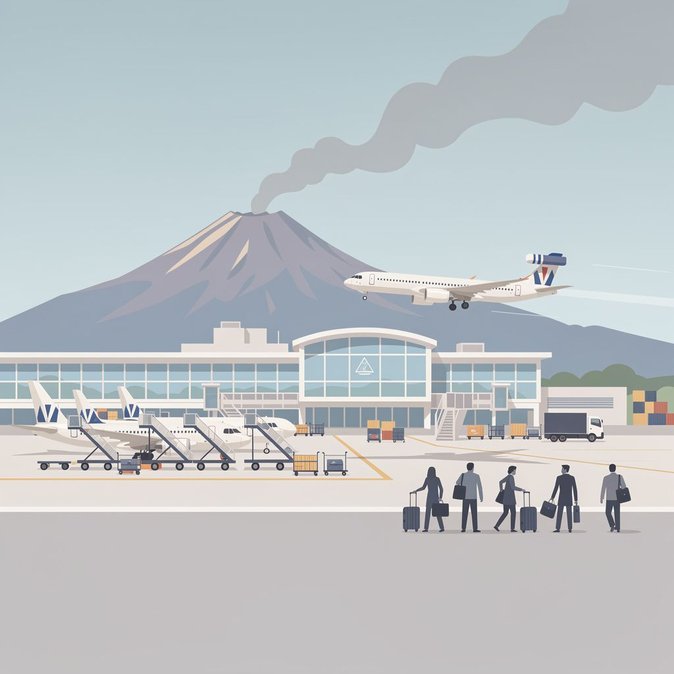
Air services to eastern Sicily returned to near-normal on the morning of 7 July after Catania-Fontanarossa Airport received clearance to reopen. The airport had been shut since the evening of 5 July because an ash-rich, high-level plume from Mount Etna triggered an aviation ‘red alert’ that automatically freezes all commercial take-offs and landings over a wide area. Italy’s Civil Protection Department downgraded the alert to orange at dawn, allowing the first arrivals shortly after 10:00. Airport management warned that aircraft rotation and crew-duty limits would still cause scattered delays and advised passengers to verify flight status before travelling. The 48-hour closure forced dozens of flights to divert to Palermo or Malta. Tour groups heading to Etna‐side resorts such as Taormina were bus-bussed for up to four hours, while perishables shuttled by air-cargo operators had to be rerouted via Naples. Business travellers faced missed connections to hubs in Milan, Rome and Frankfurt, illustrating how a single regional shutdown can ripple through corporate travel itineraries across Europe. Etna’s unrest comes at the height of Italy’s conference and cruise season. Local hoteliers estimate cancellations of more than 3 000 room-nights, underscoring the growing need for contingency planning by mobility managers whose assignees transit Sicily. Airlines including Ryanair, easyJet and Wizz Air have now reinstated their full schedules but remain on ‘watch-and-act’ footing; volcanic ash can damage jet engines and pit aircraft windscreens, so even orange alerts may trigger tactical holds. For employers, the episode is a reminder to keep real-time traveller-tracking tools and to validate travel-insurance clauses covering “Acts of Nature”. Relocation providers with staff heading to Sicily this summer are recommending flexible tickets into Palermo or Reggio Calabria and building in an extra day for critical project starts. The regional government, meanwhile, has asked the EU for emergency funds to reinforce runway-cleaning equipment at both Catania and Comiso airports.
Source: Euronews