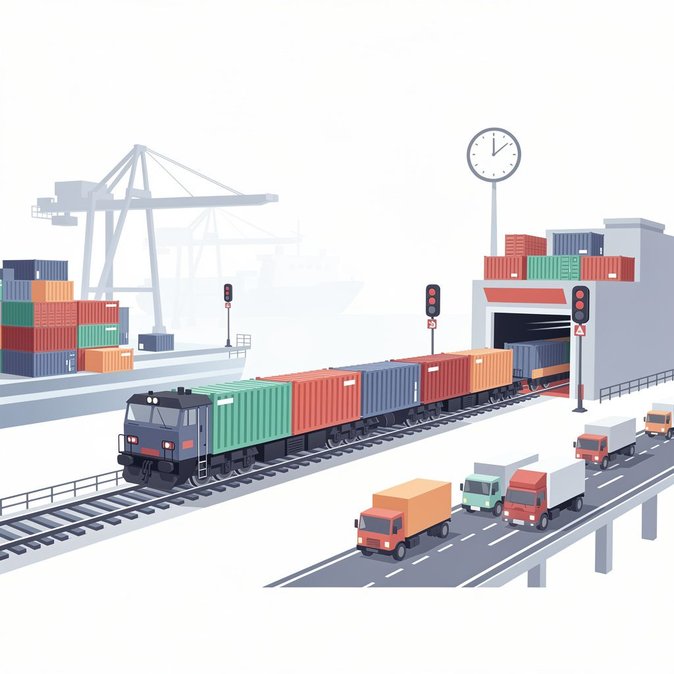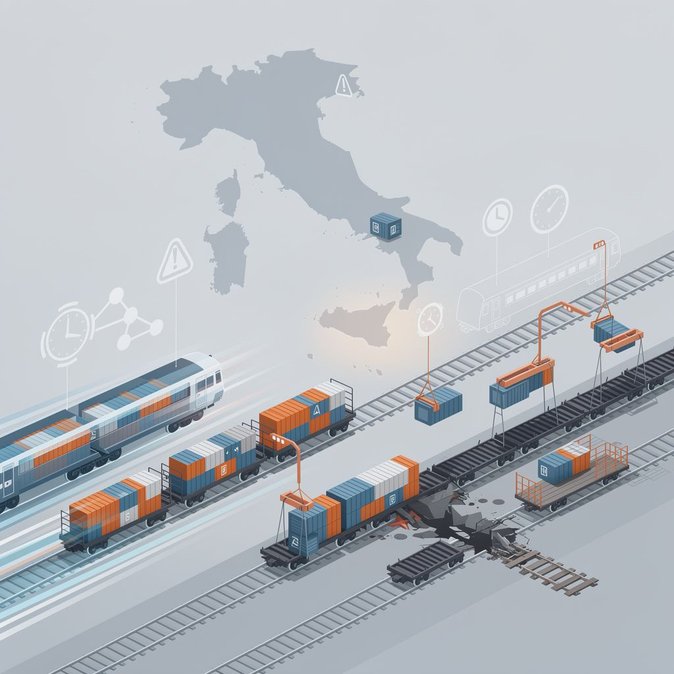
Beyond the skies, Italy’s surface transport network also faced turmoil on 7 July as three separate labour actions disrupted rail operations. According to the Ministry of Transport strike calendar, the most extensive involved Mercitalia Shunting & Terminal: workers downed tools for 24 hours from 21:00 on 6 July, affecting freight switching yards nationwide.
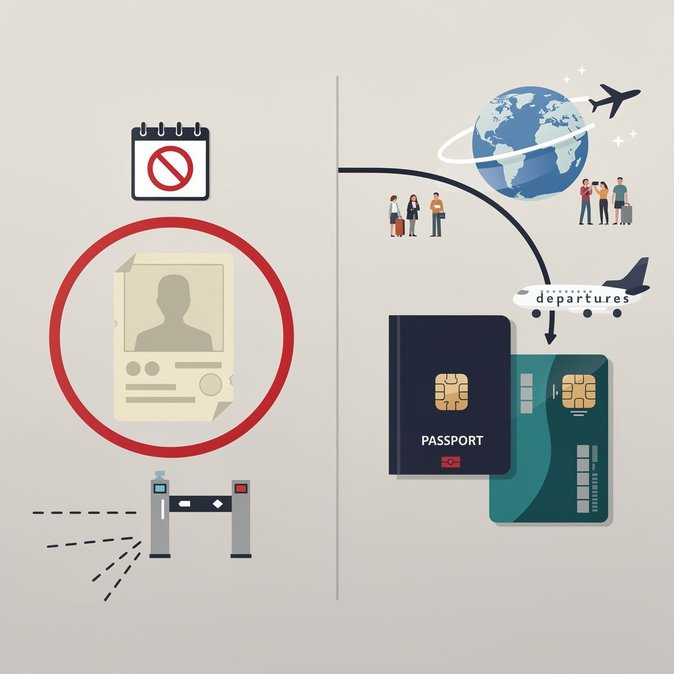
Whether you are a business traveller rerouting at the last minute or a logistics coordinator dispatching staff to resolve supply-chain snarls, VisaHQ can streamline the visa and permit paperwork that often accompanies such urgent trips. Their quick, step-by-step service for Italy—found at ensure documentation is not another obstacle when strikes already threaten tight schedules.
In Sicily, RFI Palermo infrastructure staff staged an 8-hour walk-out from 09:00 to 17:00, delaying regional passenger services including connections to the island’s airports. Meanwhile in the province of Turin logistics personnel observed a staggered strike during the last two hours of each shift, slowing time-critical industrial shipments. Although Trenitalia’s mainline passenger timetable was largely intact, freight customers in automotive and agri-food supply chains reported up to 12-hour delays and imposed weekend surcharges to recover schedules. Forwarders warned that congestion at the Brenner and Ventimiglia road crossings could intensify as shippers divert cargo from rail to truck. For mobility managers, the lesson is clear: air disruption is not the only summer headache. Companies moving plant equipment or relying on just-in-time delivery into Italian factories were advised to build 48-hour buffers and monitor further strikes already announced for 15 and 17 July. Italy’s fragmented labour landscape—multiple unions, sector-specific contracts and generous strike rights—means cascading stoppages across modes are increasingly the norm, requiring integrated contingency planning.
Whether you are a business traveller rerouting at the last minute or a logistics coordinator dispatching staff to resolve supply-chain snarls, VisaHQ can streamline the visa and permit paperwork that often accompanies such urgent trips. Their quick, step-by-step service for Italy—found at ensure documentation is not another obstacle when strikes already threaten tight schedules.
In Sicily, RFI Palermo infrastructure staff staged an 8-hour walk-out from 09:00 to 17:00, delaying regional passenger services including connections to the island’s airports. Meanwhile in the province of Turin logistics personnel observed a staggered strike during the last two hours of each shift, slowing time-critical industrial shipments. Although Trenitalia’s mainline passenger timetable was largely intact, freight customers in automotive and agri-food supply chains reported up to 12-hour delays and imposed weekend surcharges to recover schedules. Forwarders warned that congestion at the Brenner and Ventimiglia road crossings could intensify as shippers divert cargo from rail to truck. For mobility managers, the lesson is clear: air disruption is not the only summer headache. Companies moving plant equipment or relying on just-in-time delivery into Italian factories were advised to build 48-hour buffers and monitor further strikes already announced for 15 and 17 July. Italy’s fragmented labour landscape—multiple unions, sector-specific contracts and generous strike rights—means cascading stoppages across modes are increasingly the norm, requiring integrated contingency planning.