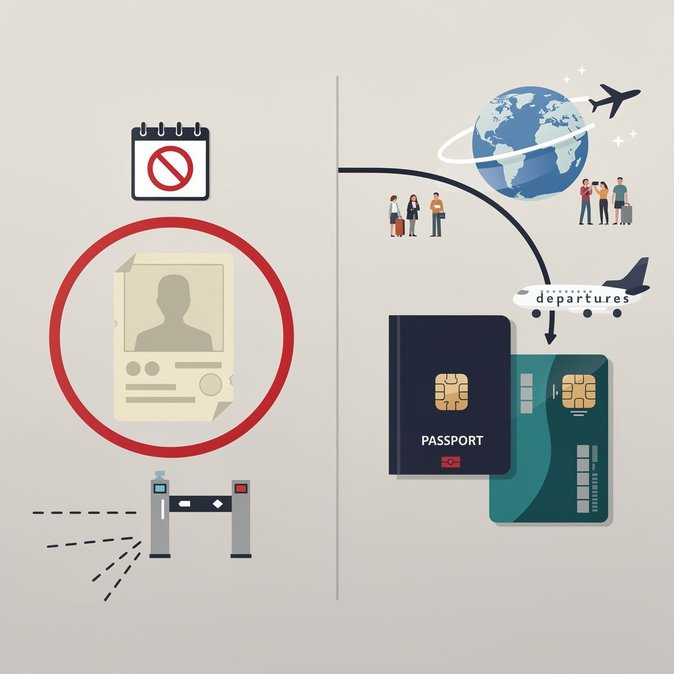
With under a month until the 3 August deadline when paper identity cards cease to be valid for travel, the government issued Decree-Law 108/2026 to smooth the switch to electronic IDs. An article published on 7 July by Eurocomunicazione details how the decree allows domestic use of the old document until 31 January 2027 for essential services, while confirming its invalidity for international travel after August.
For travelers and HR managers looking for practical assistance during this changeover, VisaHQ offers clear, up-to-date guidance on Italian travel documents and can facilitate expedited passport or visa applications. Their dedicated Italy page consolidates eligibility rules, required paperwork and live support, making it easier for companies and individuals to navigate the shift from paper IDs to compliant documents.
The measure responds to long appointment backlogs for the Carta d’Identità Elettronica (CIE), particularly in Rome and Milan. To bridge the gap, municipalities will be able to issue a six-month, non-renewable “carta d’identità provvisoria”, produced by the State Mint, until end-2027. However, travellers are warned that some foreign states may refuse the provisional card, making a valid passport or CIE the safer option. Airlines have begun alerting passengers in post-booking emails, and travel-management companies are adding ID-validity checks to online booking tools. For HR and mobility teams, the decree means Italian employees using paper IDs for Schengen duty travel must upgrade before 3 August or carry their passports. Companies should budget for time off to attend municipal appointments and monitor further guidance on the provisional card’s acceptance abroad. The transition also affects expatriates in Italy: non-EU residents relying on the paper ID as supplementary proof of residence will likewise need to obtain the electronic version to avoid complications with banking or leasing contracts.
For travelers and HR managers looking for practical assistance during this changeover, VisaHQ offers clear, up-to-date guidance on Italian travel documents and can facilitate expedited passport or visa applications. Their dedicated Italy page consolidates eligibility rules, required paperwork and live support, making it easier for companies and individuals to navigate the shift from paper IDs to compliant documents.
The measure responds to long appointment backlogs for the Carta d’Identità Elettronica (CIE), particularly in Rome and Milan. To bridge the gap, municipalities will be able to issue a six-month, non-renewable “carta d’identità provvisoria”, produced by the State Mint, until end-2027. However, travellers are warned that some foreign states may refuse the provisional card, making a valid passport or CIE the safer option. Airlines have begun alerting passengers in post-booking emails, and travel-management companies are adding ID-validity checks to online booking tools. For HR and mobility teams, the decree means Italian employees using paper IDs for Schengen duty travel must upgrade before 3 August or carry their passports. Companies should budget for time off to attend municipal appointments and monitor further guidance on the provisional card’s acceptance abroad. The transition also affects expatriates in Italy: non-EU residents relying on the paper ID as supplementary proof of residence will likewise need to obtain the electronic version to avoid complications with banking or leasing contracts.