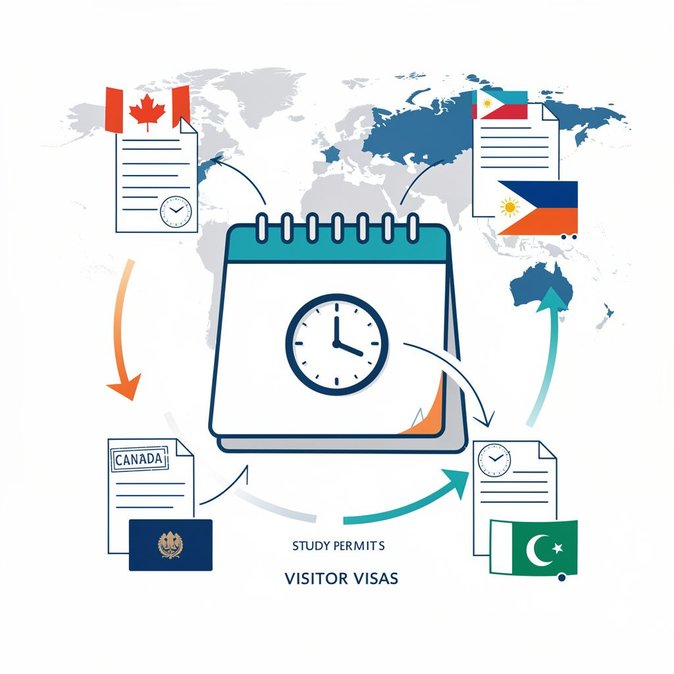
In its 7 July data release, IRCC updated processing estimates for work permits, study permits, visitor visas and super visas. The headline: work-permit applicants inside Canada now wait an average 127 days—down two days from last week—while Philippines-based applicants saw a one-week improvement to seven weeks. Yet Pakistan and Nigeria experienced setbacks, with work-permit waits climbing to six and eleven weeks respectively. Study-permit timelines remained unchanged across major source countries, holding at five weeks for India and seven for in-Canada applicants. Visitor-visa figures inched downward for most markets, but Nigeria bucked the trend, rising to 59 days. The most striking movement was on the Parents and Grandparents Super Visa: Pakistan’s wait time jumped from 102 to 179 days in just five days, a reminder that country-specific volumes can skew service standards. For businesses, the granular weekly data help predict onboarding dates for new hires and rotation schedules for assignees. A modest two-day cut to domestic work-permit processing may not sound dramatic, but it narrows the gap between posted service standards (120 days) and reality, reducing the need for costly bridging visas. Conversely, longer waits for Nigerian applicants could affect energy and infrastructure projects that rely on specialists from that market. IRCC cautions that historical figures reflect the time it took to finalise 80 % of applications, whereas forward-looking estimates consider current inventories and capacity. Employers should continue to budget for potential slippage and encourage applicants to submit complete documentation—including biometrics and police certificates—up front. The department’s transparency compares favourably with many peer jurisdictions, but stakeholders argue that weekly swings—like Pakistan’s 77-day super-visa spike—underscore the need for more predictive analytics and proactive communication when backlogs build suddenly.
Source: CIC News