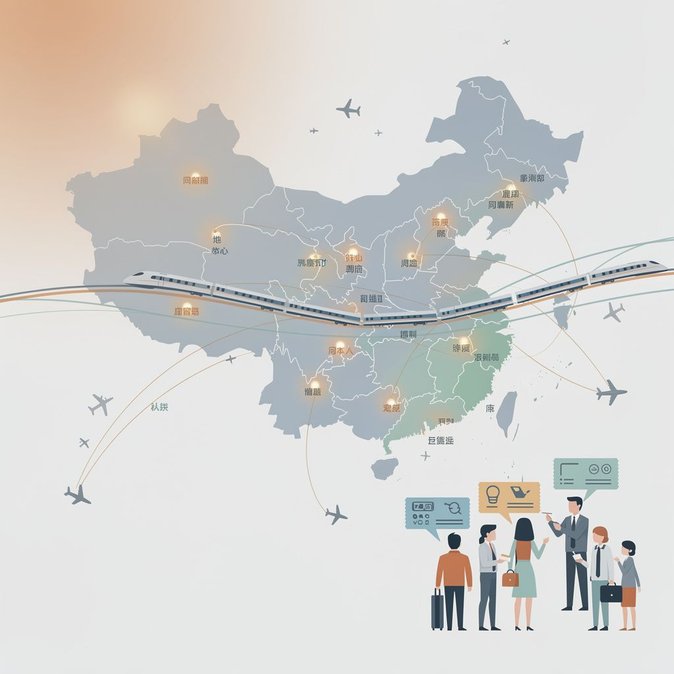
China’s State Council on 8 July approved an ambitious blueprint to transform the country into what officials call a “strong tourism nation” during the 15th Five-Year Plan period (2026-2030). While headlines focus on culture-tourism integration and rural revitalisation, the document also commits Beijing to "deepening international exchanges" and "optimising inbound travel facilitation policies"—code for further visa simplification and smarter border clearance. According to the plan, ministries will pilot digital visas, expand unilateral visa-free entry beyond the current 50 countries and introduce an appointment-free fast-track channel at major ports for accredited business events and talent programmes. The National Immigration Administration (NIA) is tasked with rolling out biometric e-gates that recognise 200 foreign passport types by 2028, cutting average arrival processing times to under 30 seconds. For multinationals the most significant clause is the pledge to “establish a negative list of occupations exempt from work-permit quotas in pilot free-trade zones.” Human-resources leaders say this could remove the last procedural hurdle for short-term intra-group secondments—a pain-point since quota controls were re-imposed in 2021. Local governments are being encouraged to create “international meeting islands” with on-arrival group-visa counters and bonded exhibition zones. Hainan, Shanghai Lingang and the Chengdu-Chongqing economic circle are first in line for trials that allow foreign delegates to clear customs directly at conference centres. The plan signals that Beijing sees inbound tourism and business travel as strategic levers for service-sector growth. If fully implemented, corporate mobility teams can expect leaner visa lead-times, fewer paperwork surprises at the border and a wider catchment of Chinese cities able to host global projects cost-effectively.
Source: State Council (english.gov.cn)