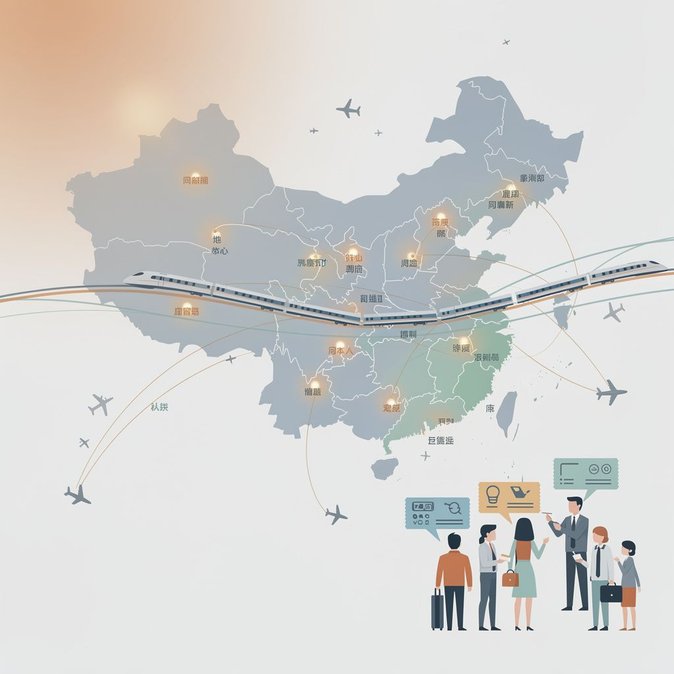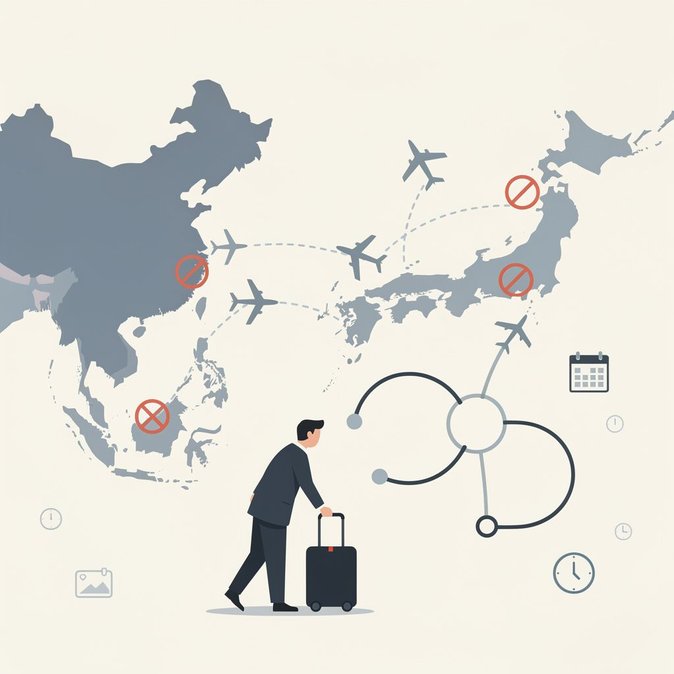
Uzbekistan Airports announced on 8 July that it is working with Air China to raise the Beijing–Tashkent service from three to seven weekly flights, effectively restoring pre-pandemic connectivity and laying groundwork for onward links to the Fergana Valley. An Air China delegation led by external director Xu Niansha visited Tashkent to review infrastructure and traffic forecasts. The upgrade, targeted for the IATA winter season, would give Chinese exporters daily belly-hold capacity to Central Asia’s fastest-growing consumer market while opening a convenient routing for Uzbek students and medical tourists bound for China’s eastern seaboard. Corporate travellers stand to benefit from same-day connections via Beijing-Daxing to Shanghai, Shenzhen and Hong Kong, trimming current travel times by up to eight hours. Both parties framed the move as a Belt and Road enabler. Beijing has prioritised Central Asian industrial parks and renewable-energy projects that rely on rotating Chinese technicians. A daily flight reduces the need for time-consuming charter approvals and supports more flexible roster cycles. The deal also dovetails with Uzbekistan’s own mobility aspirations: Tashkent wants to become a regional hub by 2030 and is courting reciprocal visa-free arrangements. A daily Air China service strengthens its case with Chinese regulators for a trial 14-day visa-free facility for Uzbek business visitors—currently under review by the NIA. Global mobility managers with operations in textiles, mining or fintech across the region should watch slot-application timelines closely. If approved before the 14 August filing deadline, the new frequencies could appear in global distribution systems as early as mid-September, allowing 4Q project travel to book into more predictable patterns.
Source: Trend News Agency