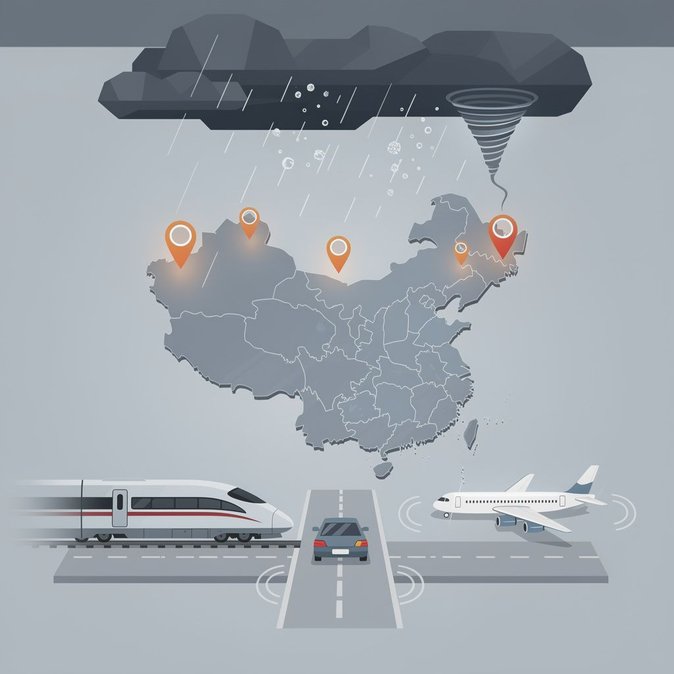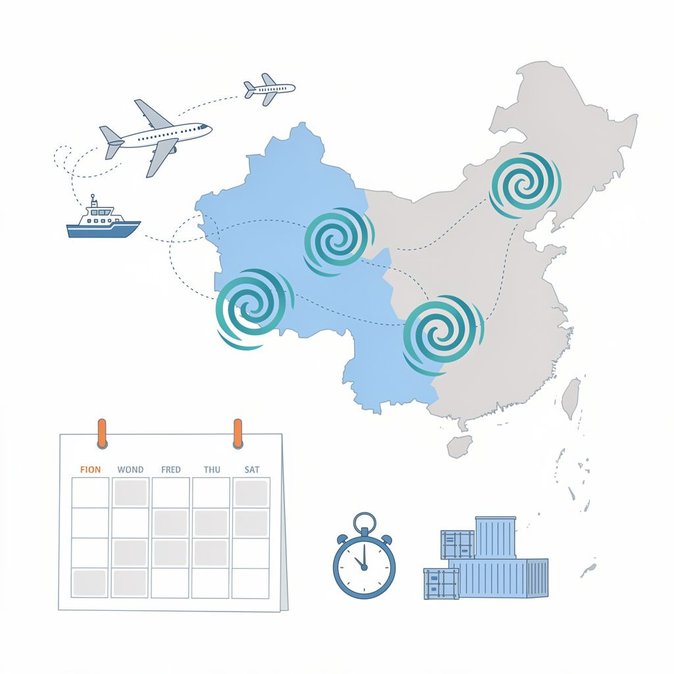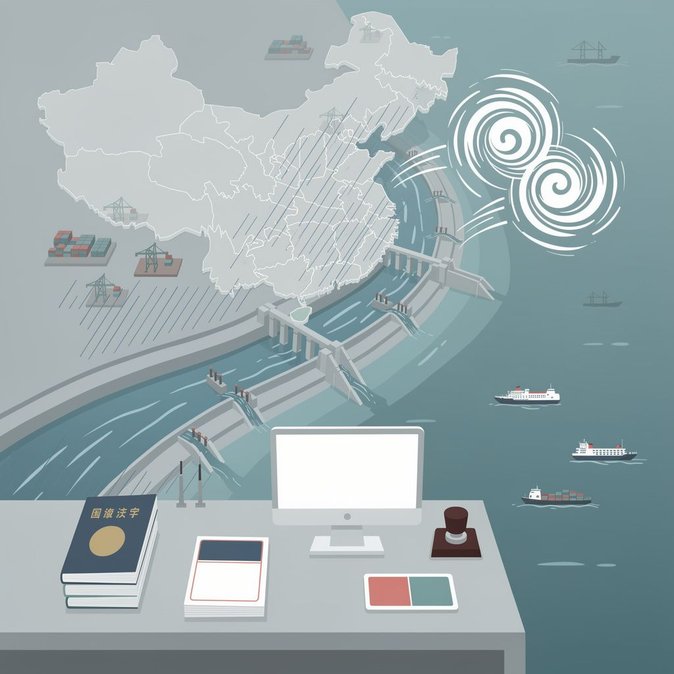
Hours after the National Climate Center’s cyclone alert, China’s Ministry of Water Resources convened an emergency video conference on 7 July to organise defences against a one-two typhoon punch. Officials warned that residual rains from Typhoon Maysak are still pushing river levels in Guangxi and Guangdong toward danger marks, while incoming Super Typhoon Bavi could impact all six major river basins—including the Pearl, Yangtze and Songliao—between 9 and 16 July. Provincial governments were ordered to pre-position mobile pumps, inspect embankments and evacuate residents in low-lying zones. For the mobility sector the directives carry concrete consequences: temporary closure of river ports, suspension of passenger ferries in the Qiongzhou Strait, and the possible shutdown of sections of the coastal high-speed railway. Corporate relocation managers should note that visa-processing centres and notary offices in hard-hit counties may operate on reduced hours, delaying residence-permit renewals. In past flood events, authorities have allowed grace periods for over-stay fines, but written confirmation is advisable. International assignment teams with staff in south-east China are urged to double-check emergency contact trees and to remind employees to keep passports in waterproof pouches. Businesses with inbound shipments through Guangzhou Nansha or Shenzhen Yantian should discuss alternative routings via inland rail to Chengdu or Chongqing if berth closures extend beyond 48 hours.