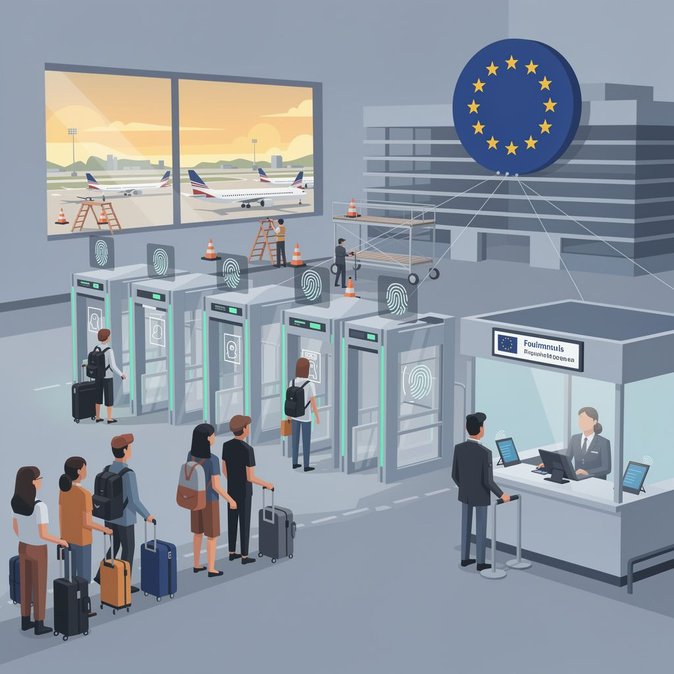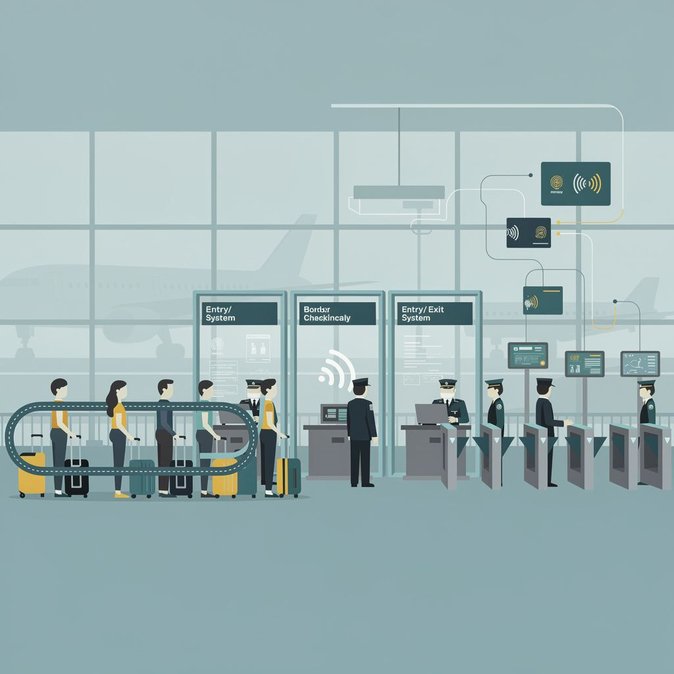
Only hours after reiterating that the Entry/Exit System will not be suspended, EU Migration Commissioner Magnus Brunner sent a public letter promising “enhanced support” for Member States struggling with the roll-out. The move follows a joint lobby by Airports Council International Europe, Airlines for Europe and IATA, which warned that some passengers have waited up to five hours to clear border control. The Commission now says it will dispatch technical teams to hotspots and push governments to adopt the Frontex ‘Travel to Europe’ app that lets non-EU travellers pre-register passport and biometric data. Member States may also invoke a summer derogation allowing officers to fall back on traditional passport stamping when queues become excessive, but Brussels insists this is a short-term fix. First reactions from Germany were mixed. Frankfurt Airport operator Fraport welcomed the initiative yet cautioned that staffing rather than technology is the biggest constraint. The German Travel Association urged border police to publish queue-length forecasts, echoing calls from business-travel managers whose tight itineraries leave little buffer for unpredictable hold-ups. In practice, mobility teams should advise non-EU assignees entering Germany for the first time since April to expect a full biometric enrolment that can take 3–10 minutes per traveller. Holders of residence permits or those already captured in the system can usually use automated gates, which are significantly quicker once e-gates are operational.
Source: The Connexion