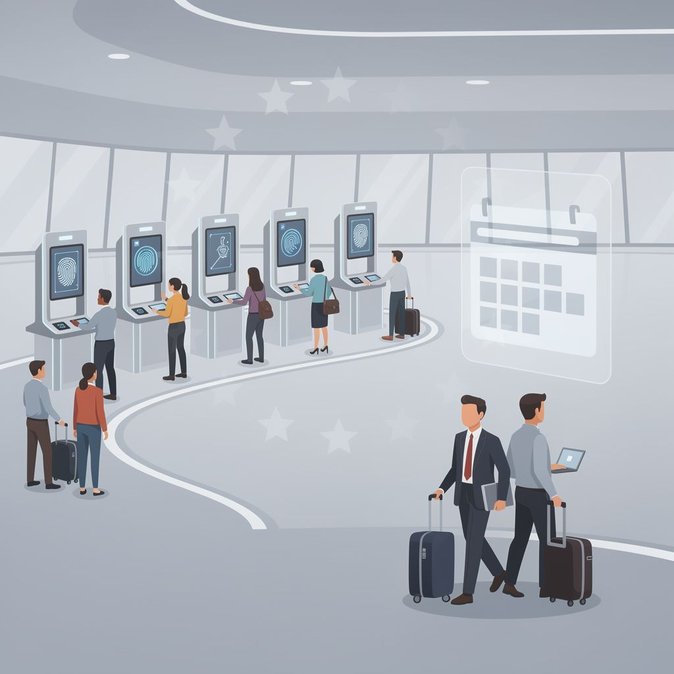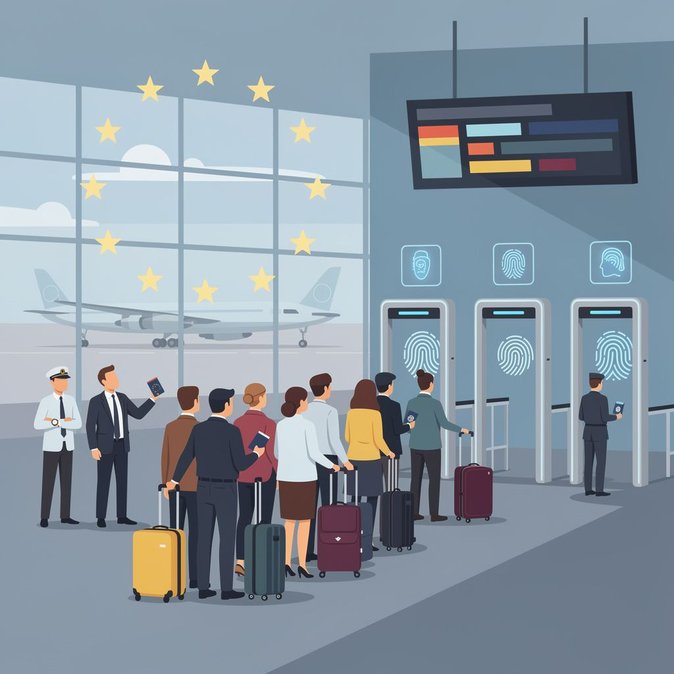
Just hours after industry rumours of an ETIAS delay, the European Union doubled down on its commitment to the Entry/Exit System (EES). In a statement released late on 7 July 2026, an EU spokesperson said a full suspension was “neither practical nor necessary” and confirmed that the biometric border regime will remain mandatory at all Schengen external borders, including Germany’s airports and land crossings. The clarification followed a lobbying blitz by the aviation sector. The German Airports Association reported average wait times of 55–70 minutes for non-EU arrivals in Frankfurt and up to two hours in Düsseldorf, while the Airlines Association of Germany warned of missed intercontinental connections that could cost carriers millions in re-booking and compensation payments. Car-hire companies at Munich Airport have even started advising customers to budget an extra hour before picking up vehicles. EU officials counter that temporary, local suspensions of biometric capture – already used at Frankfurt when queues exceed capacity – offer sufficient flexibility. They emphasised that EES has registered 110 million crossings and prevented 44 000 attempted overstays since April. Germany’s Bundespolizei supports maintaining the system, citing “measurable security gains”, but privately concedes that staffing gaps of around 15 % remain. For global-mobility managers the message is clear: EES is here to stay, and companies must adjust itineraries, connection times and traveller briefings accordingly. German employers hosting visitors from third-countries should schedule meetings later on arrival days and encourage use of fast-track services where available. Meanwhile, technology providers are racing to integrate EES compliance checks into corporate booking tools and mobile travel apps. Looking ahead, Brussels promised monthly performance reviews with member states, and Germany hinted it may request Frontex rapid-response teams for the late-July holiday peak. If approved, that would temporarily boost passport-control capacity at Frankfurt and Munich by deploying trained border guards from other EU nations.
Source: Big News Network / WAM dispatch