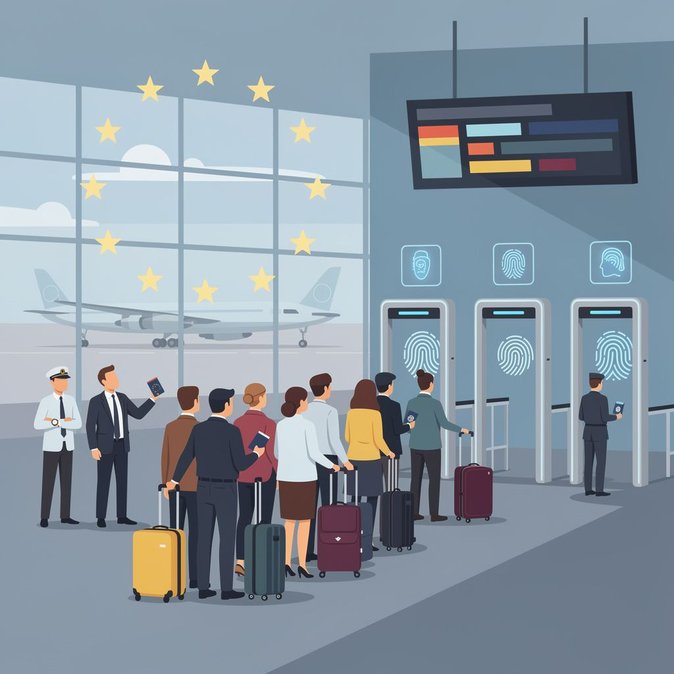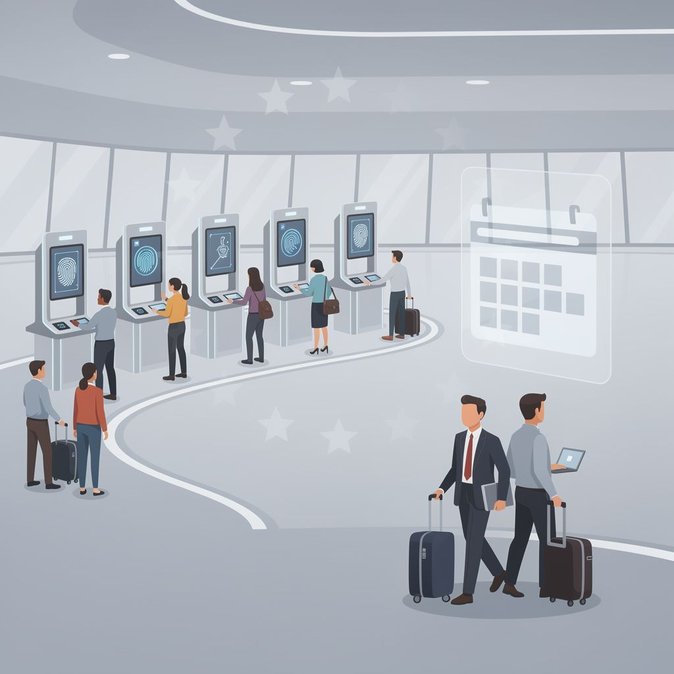
The European Commission is preparing to push back the start-up of the European Travel Information and Authorisation System (ETIAS) until at least 2027, according to reports confirmed on 7 July 2026. The move follows weeks of acute congestion at German gateways such as Frankfurt, Munich and Berlin, where the new biometric Entry/Exit System (EES) – fully activated in April – has doubled processing times for many third-country travellers. ETIAS was originally slated to go live in Q4 2026 and would have required visa-exempt travellers (including those from the UK, US, Canada and most of Asia-Pacific) to pay a €20 fee and obtain electronic clearance before boarding transport to the Schengen area. Aviation groups including Airlines for Europe (A4E) and the German Airports Association (ADV) warned that layering ETIAS on top of an already strained EES this summer would create “operational meltdown”. Several carriers reported missed connections for high-yield corporate itineraries and had begun blocking tight inter-European connections in their global distribution systems. By delaying ETIAS, Brussels hopes to buy time for member states – Germany included – to expand passport-control infrastructure, hire and train additional Bundespolizei officers and finish rolling out automated e-gates compatible with EES facial and fingerprint capture. The Commission also signalled it will use the extra year to refine the central ETIAS risk-screening algorithm and run joint stress tests with the travel industry. For German businesses the reprieve is significant. Export-oriented SMEs in Bavaria and Baden-Württemberg had feared that visiting customers would face new paperwork at short notice, threatening trade-fair attendance and just-in-time service calls. Travel managers can now focus on educating non-EU partners about EES registration without the added complication of pre-departure authorisations. However, companies are advised to keep monitoring the timeline: once ETIAS does enter into force it will be mandatory, and carriers will be fined for transporting non-authorised passengers. In practical terms, travellers headed to Germany this summer should still allow extra time at border control – up to 90 minutes at peak periods – but they will not need to complete any new online forms beyond existing visa requirements. Airlines will update their check-in systems accordingly, and the Auswärtiges Amt is expected to issue formal guidance in the coming days.
Source: Travel Weekly