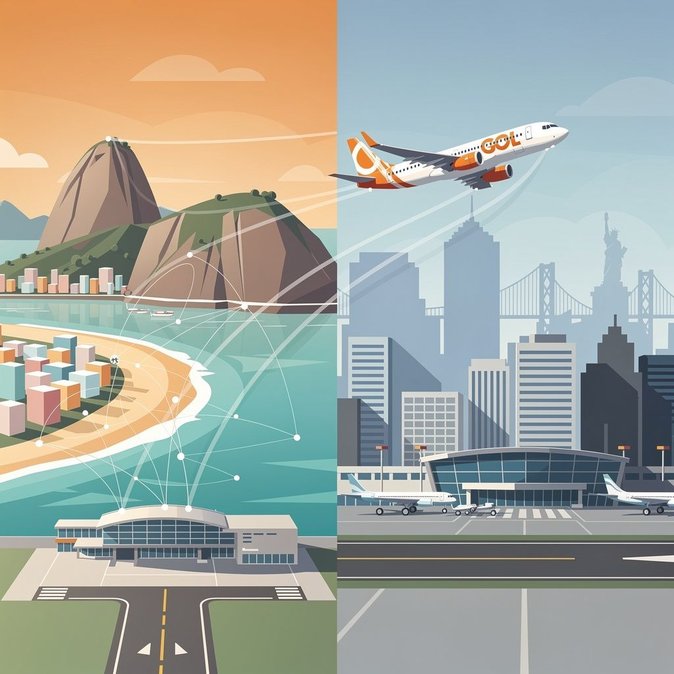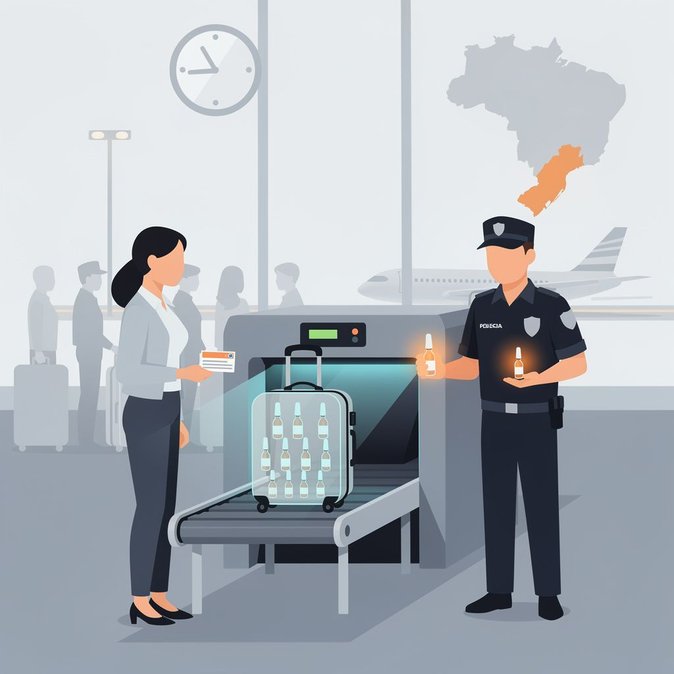
The Federal Police (PF) stepped up routine baggage screening at Rio de Janeiro–Galeão International Airport in the early hours of Saturday, 11 July 2026, intercepting a domestic passenger who was carrying 40 ampoules of the appetite suppressant ‘Desobesi-M’. The 20-year-old traveller had flown from Foz do Iguaçu, a border hub notorious for grey-market pharmaceuticals, and was scheduled to connect onward to Guarulhos (São Paulo) and Palmas (Tocantins). According to the PF’s airport detachment, officers became suspicious when the X-ray image revealed multiple vials with no accompanying prescription. Brazil’s health-surveillance agency Anvisa classifies the substance as subject to special control; imports require prior authorisation, which the passenger did not hold. He was arrested on-site and now faces charges of contraband and importation of unregistered medication under articles 334-A and 273 of the Penal Code, which together carry sentences of up to 12 years. The case illustrates how pharmaceutical smuggling has become an aviation-security issue with direct mobility implications. Since most carriers allow through-checked baggage on multi-segment domestic itineraries, illicit cargo can enter Brazil’s main business centres unnoticed unless interdicted at the first port of entry. Corporate travel managers should expect heightened random inspections and factor extra dwell time into tight connections, particularly for flights originating in the tri-border area with Paraguay and Argentina. For multinationals moving staff to or within Brazil, the incident is a reminder that employees—especially assignees unfamiliar with local rules—must be briefed on strict import limits. Failure to comply not only triggers criminal liability for the individual but can also expose the company to reputational risk and, in some cases, immigration scrutiny under the Migration Law if authorities suspect organised trafficking networks. The PF said it will liaise with both Receita Federal customs units and Anvisa to trace the drug’s source and to determine whether the traveller was acting as a mule for a larger syndicate that ships controlled substances along domestic flight corridors. Further joint operations at key hubs are expected in the coming weeks.
Source: Polícia Federal
How VisaHQ can help
VisaHQ simplifies the visa application process for individuals and businesses. Check current travel requirements, prepare the required documents and manage your application online through the VisaHQ Brazil portal.More From Brazil
View all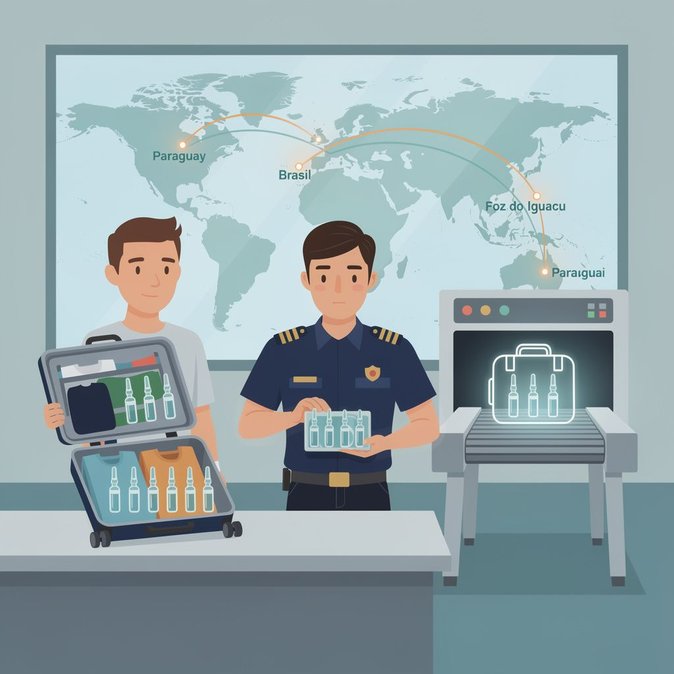
Second slimming-drug mule caught with 20 ampoules at Rio airport during overnight sweep

Brazil Tightens Humanitarian Visa Pathway for Haitians, Keeps Family-Reunion E-Visa Open Until June 2026