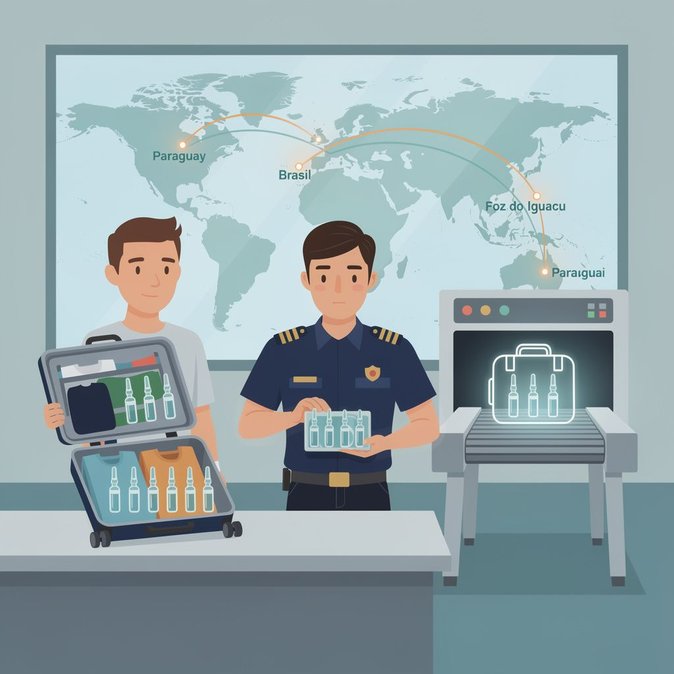
Only minutes before the larger seizure on 11 July, Federal Police inspectors at Galeão had already detained another traveller coming off the same Foz do Iguaçu–Rio route. In this earlier case, the suspect was found with 20 ampoules of an identical weight-loss compound. Officials say the near-simultaneous interceptions suggest a coordinated attempt to funnel controlled pharmaceuticals to Brazil’s southeast market ahead of the peak winter-holiday travel week. The PF indicated that both couriers followed a similar modus operandi: purchasing the drug in Paraguayan free-trade zones, bussing it across the Friendship Bridge to Brazil, and then booking low-cost domestic flights that allow generous checked-baggage allowances. Because the product sells for up to ten times its border price in Rio and São Paulo gyms, small consignments can yield quick profits while remaining under the radar of bulk-cargo profiling algorithms. From a mobility-compliance perspective, the twin arrests reinforce the importance of corporate carry-and-check policies. Companies that reimburse excess-baggage fees or arrange group travel from frontier cities should ensure that their duty-of-care programmes include briefings on Brazil’s strict medication-import regime. Employees carrying even common prescription medicines must have originals of the doctor’s note—preferably translated into Portuguese—ready for inspection. Legal counsel specialising in global mobility also warn that convictions for contraband can derail work-permit renewals. Under Law 13.445/2017, foreigners with criminal records for customs offences may be deemed ‘harmful to the national interest,’ leading to visa cancellation or denial of residency extensions. Human-resources teams therefore need clear escalation protocols if an assignee is detained at the border. The PF says intelligence units are analysing passenger-manifest data to identify further potential mules on upcoming itineraries linking border regions to Brazil’s economic hubs. Enhanced canine screening and joint patrols with Receita Federal are planned ahead of the school-holiday surge.
Source: Polícia Federal
How VisaHQ can help
VisaHQ simplifies the visa application process for individuals and businesses. Check current travel requirements, prepare the required documents and manage your application online through the VisaHQ Brazil portal.More From Brazil
View all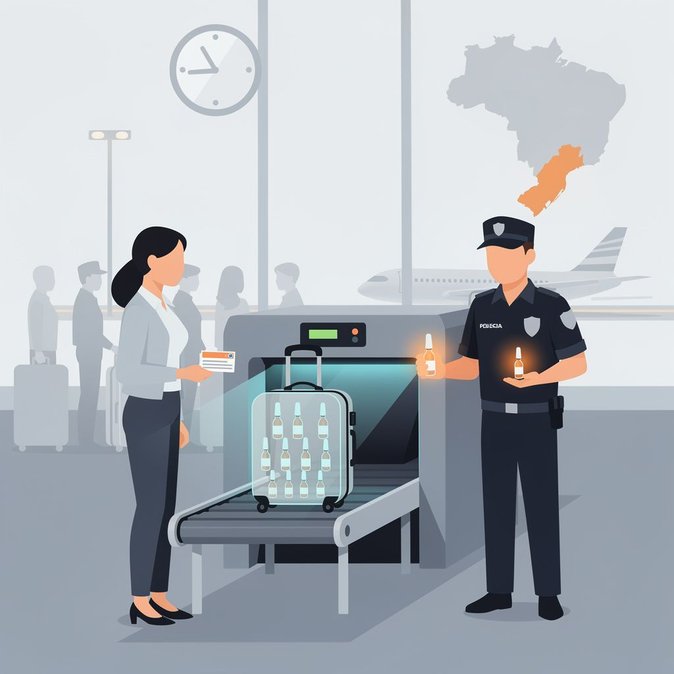
Brazilian Federal Police seizes 40 ampoules of illegal weight-loss drug at Rio’s Galeão Airport
Brazil Tightens Humanitarian Visa Pathway for Haitians, Keeps Family-Reunion E-Visa Open Until June 2026