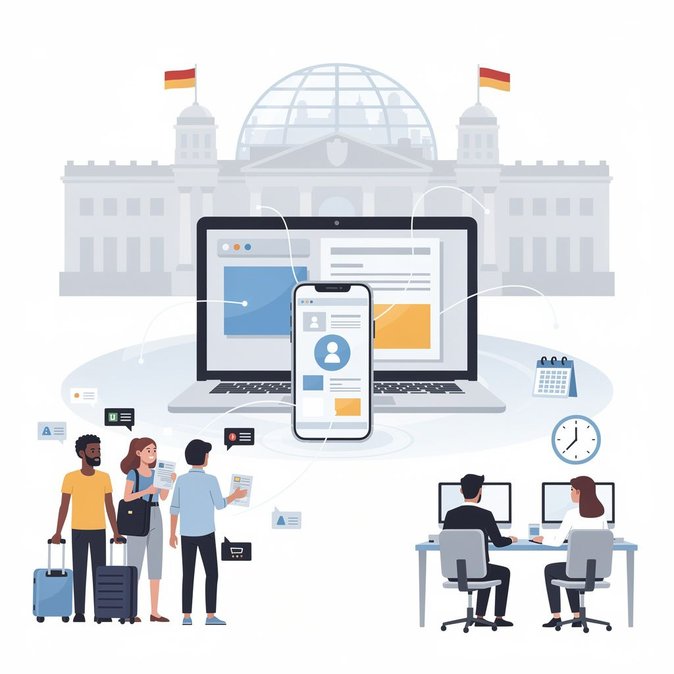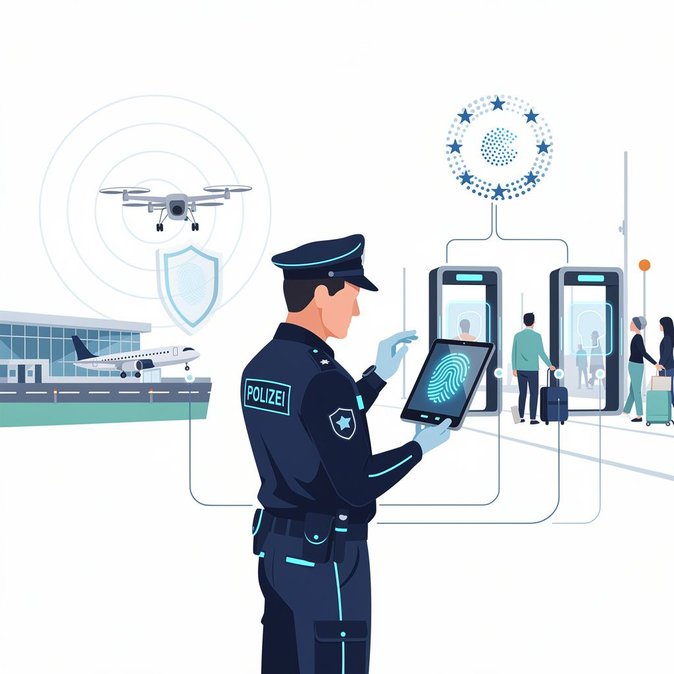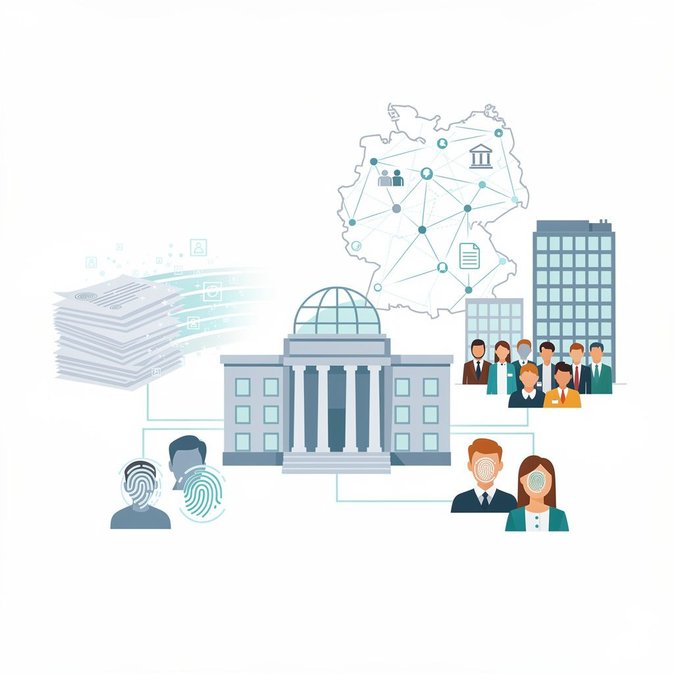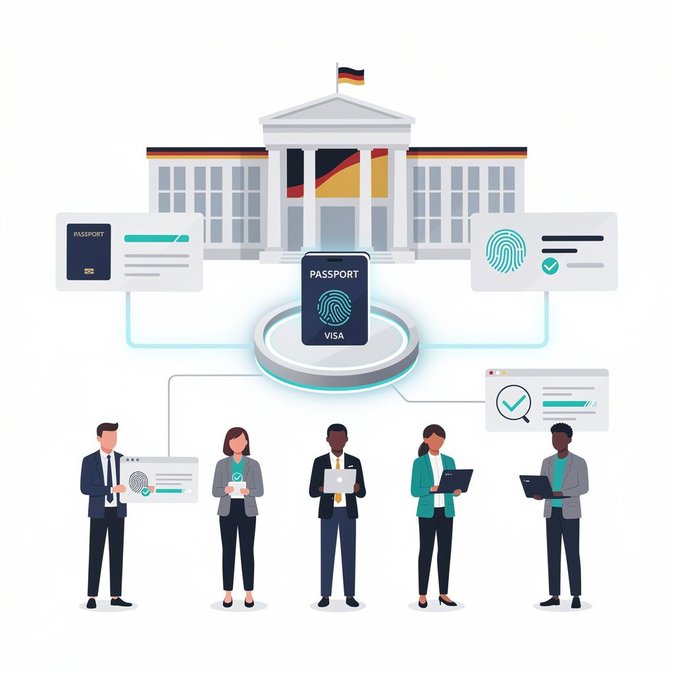
Germany’s Bundestag completed its final reading of the “Migrationsverwaltungsdigitalisierungsweiterentwicklungsgesetz” (MDWG) late on 10 July 2026, giving the green light for one of the biggest modernisation projects the country’s immigration system has seen in a decade. The law upgrades the Aliens Central Register (AZR) into a true digital backbone for all immigration-related authorities and introduces a single life-cycle file for each foreign national. Biometric data (photo, fingerprints and signature) collected during any residence-permit process will be stored once and re-used across future applications, sparing applicants repeat appointments and easing workload in local foreigners’ offices. Beyond residence titles, the act has a strong visa component. Consular posts, the Federal Foreign Office and the Federal Employment Agency will receive controlled access to supporting documents uploaded by applicants, ending the current practice of multiple paper submissions. In practical terms companies will be able to file work-visa packs electronically, track processing status online and—critically for global mobility teams—intervene if missing documents are flagged, reducing costly rejections. A further chapter links asylum-benefits data to the AZR so that municipalities and benefit agencies instantly see when payments are reduced or terminated. According to government witnesses heard in committee, this closes information gaps that have led to double payments and legal appeals. Data-protection safeguards were tightened during the parliamentary process: storage limits were defined, access is logged, and new audit rights for Germany’s Federal Data-Protection Commissioner were written into the bill. Implementation will come in stages from January 2027, but companies recruiting now will feel early effects. The Interior Ministry plans a pilot for Blue-Card EU and ICT permits this autumn; immigration advisers expect application times for skilled-worker visas to drop from the current eight–ten weeks to “around four” once all consulates are live. Employers sending staff on short-term assignments will also benefit: existing biometrics can be reused for subsequent C- or D-visa filings, eliminating the need for employees to revisit the embassy. For corporate mobility managers the message is clear: start preparing HR systems for end-to-end digital filing and obtain employee consent for data reuse. The ministry will publish interface specifications in September; vendors of HR and immigration-case-management software are already queuing up to integrate. Germany’s long-criticised patchwork of paper-heavy procedures is finally moving toward a one-stop digital platform—promising real efficiency gains for talent acquisition and cross-border assignments.
Source: Deutscher Bundestag