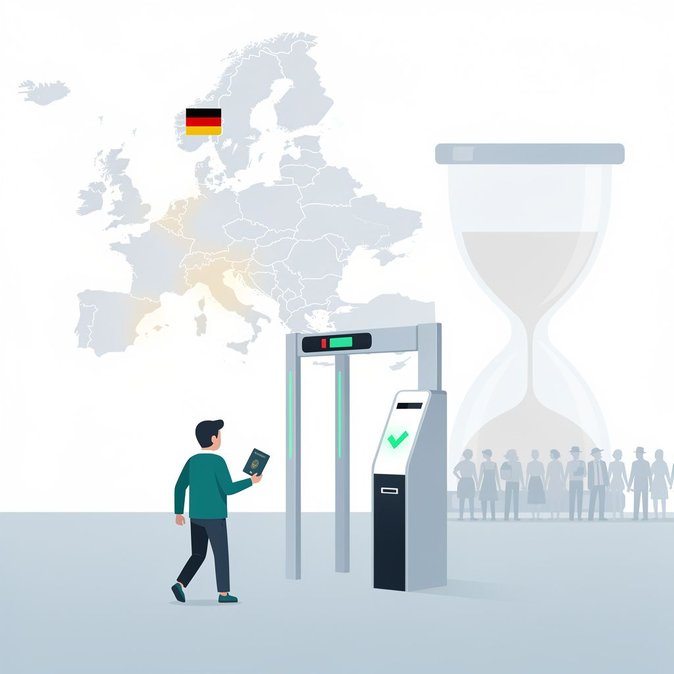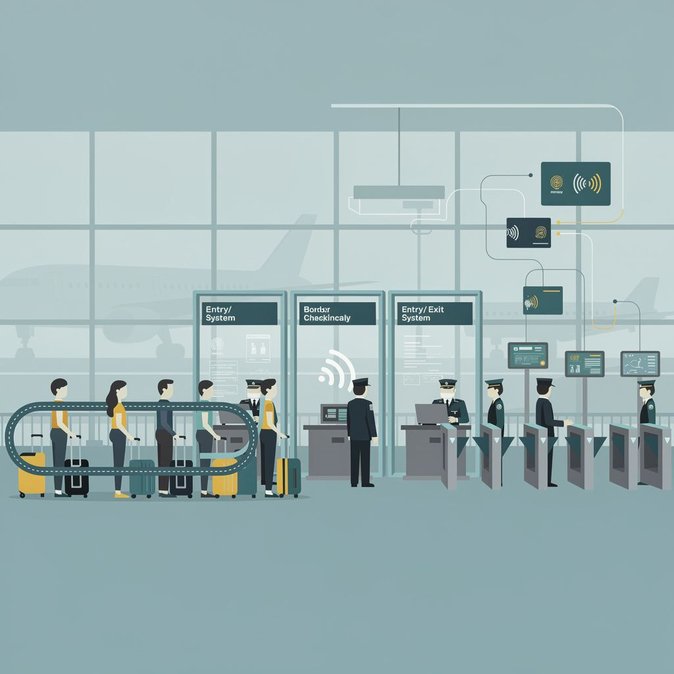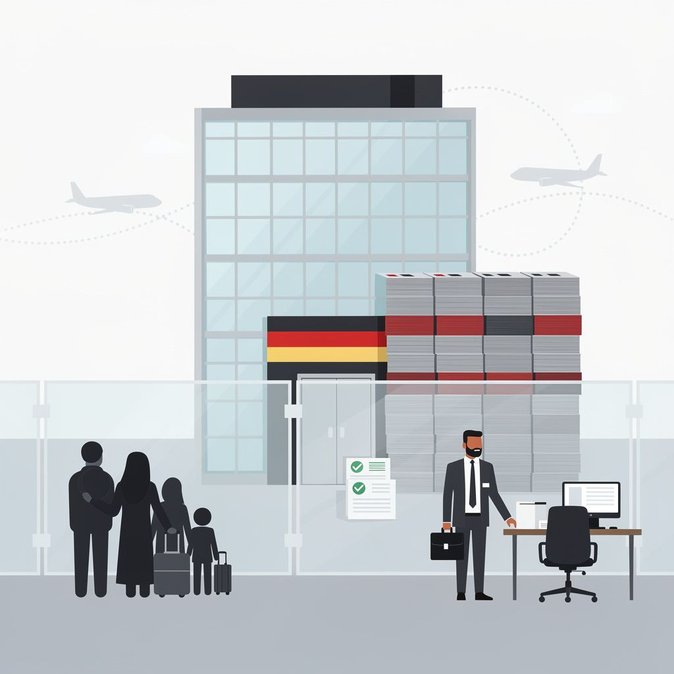
Late on 9 July the German Bundestag adopted the government’s long-awaited “Migrationsverwaltungsdigitalisierungsweiterentwicklungsgesetz” (MDWG), a mouth-twisting bill that will fundamentally modernise the way Germany processes visas, residence permits and asylum-related benefits. At its core, the law allows biometric data (photo, fingerprints and signature) that are collected once for an electronic residence permit to be stored centrally and reused for subsequent applications. In parallel, all authorities involved in the visa chain – from German missions abroad to the Federal Police at the border – will gain structured, digital access to supporting documents through the Ausländerzentralregister (AZR). By ending paper files and faxed requests the Interior Ministry expects processing times for national visas to fall by up to 30 percent within two years. For corporate mobility managers the practical upside is considerable: expatriates who need to renew Blue Cards or ICT permits will no longer have to re-submit the same set of academic certificates and employment contracts at every step. Sponsors will also be able to check application status online and download electronic approval letters that can be shown at the airport. The debate was not without controversy. Data-protection experts warned that expanding the AZR into a de-facto ‘mega database’ of all third-country nationals carries significant privacy risks. The governing coalition therefore introduced last-minute amendments spelling out strict purpose-limitation clauses and mandatory deletion periods. Implementation will be phased: the new data-exchange interfaces must be in place by 1 January 2027, while the biometric reuse provisions apply to all permits issued from 1 March 2027. Companies relying on large numbers of non-EU staff should review their onboarding workflows now to take full advantage of the digital process once it goes live.
Source: Deutscher Bundestag