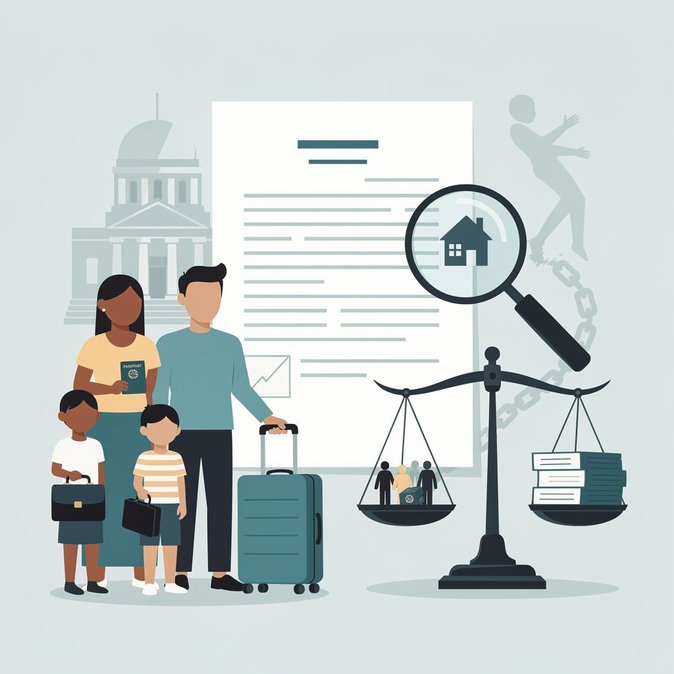
The Equality and Human Rights Commission (EHRC) has written to every Member of Parliament urging them to scrutinise the government’s new Immigration and Asylum Bill when it receives its second reading on Monday, 13 July. In its 12-page note the Commission highlights clauses redefining “family life” under Article 8 of the European Convention on Human Rights, warning that a narrow definition could put children and other vulnerable migrants at risk of separation. The EHRC is also concerned about proposals to replace the First-tier Tribunal with an Independent Immigration Appeals Authority whose members would not be required to hold legal qualifications. According to the regulator, removing legally-qualified adjudicators risks “inadequate safeguards to protect rights and ensure fair decision-making.” Modern slavery protections are another flash-point. The Bill would allow decision-makers to doubt the credibility of trafficking victims who delay in coming forward. The EHRC argues that trauma frequently prevents early disclosure and that the change could leave genuine victims without support or remedies. It has asked MPs to ensure any amendments preserve survivors’ access to justice. For global mobility teams, the Bill’s progress is crucial. It could reshape appeal rights for sponsored workers, redefine family-member eligibility, and increase the compliance burden on employers who facilitate moves to the UK. Businesses with assignees or dependants who may be touched by the new definitions should prepare for potentially longer processing times and higher evidential thresholds once the Bill passes.