A relentless July heatwave is upending travel plans across the United Kingdom this weekend. The Met Office confirmed that 2026 is the first year on record in which temperatures of 35 °C have been logged on six separate days, with Saturday’s high of 33 °C at Yelverton in Devon expected to be matched or exceeded again on Sunday and Monday. The UK Health Security Agency has expanded amber Heat-Health Alerts to cover most of England and Wales, warning of increased pressure on emergency services and heightened wildfire risk.
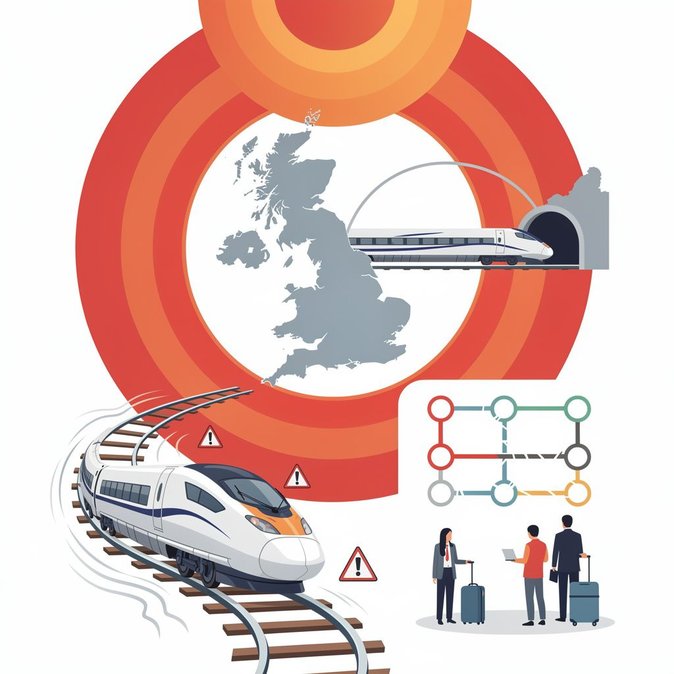
Transport operators are feeling the strain. National Rail has issued network-wide “hot weather” advisories and reduced speed restrictions, while multiple train companies—including East Midlands Railway, Great Western Railway and Northern—have trimmed timetables or replaced services with buses to protect track and overhead equipment.
In Wales, Transport for Wales cancelled services between Aberystwyth and Shrewsbury and curtailed routes around Birmingham after on-board air-conditioning failures left fewer trains fit to run. Passengers have been urged to carry water, allow extra time and claim Delay Repay compensation where eligible.
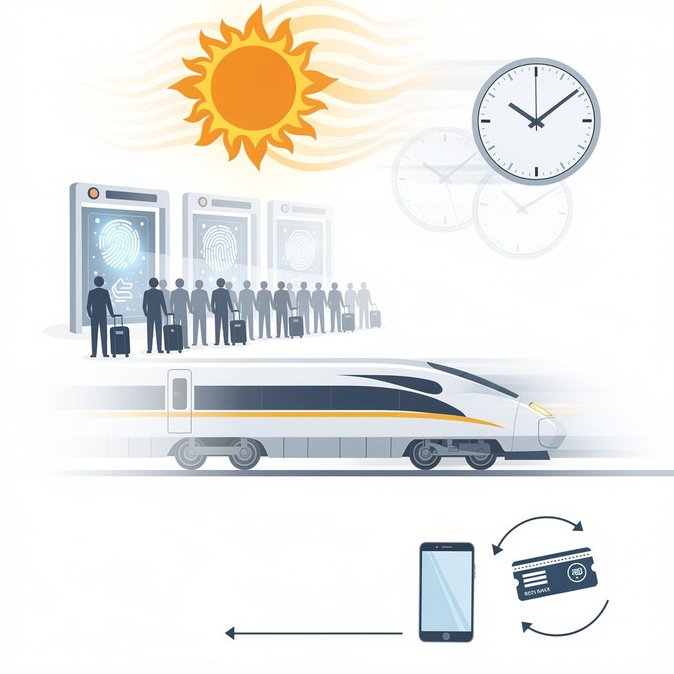
International links are also affected. Eurostar has activated its “Extreme Weather” policy, allowing fee-free exchanges for London-Paris-Brussels-Amsterdam services booked for 11–13 July and warning of possible on-board temperature discomfort and delays at continental hubs.
While travellers grapple with schedule changes, securing the right travel documents can add another layer of complexity. VisaHQ’s online platform streamlines visa and passport services for individuals and corporate travel teams, offering real-time tracking, dedicated account management and up-to-date entry requirements—all of which help minimise further headaches when itineraries suddenly shift.
Several Saturday departures were cancelled outright, and live updates continued to show knock-on delays on Sunday afternoon.
For business travellers, the operational impact is two-fold. First, reduced capacity increases the risk of missed meetings and tight connection windows; companies with mobility programmes should advise employees to build in buffers and consider remote options.
Second, prolonged heat can damage rail infrastructure, threatening further disruption throughout the week and into the peak summer holiday period when demand is highest. Travel managers are therefore refreshing duty-of-care guidance, reminding staff to register itineraries and monitor operator apps for short-notice schedule changes.
Looking ahead, forecasters expect temperatures to remain above 30 °C until at least Wednesday, with only a slight chance of cooling thunderstorms in the south. If the mercury does not ease, operators may have to extend emergency timetables—particularly on inter-city routes where steel rails and overhead lines are most vulnerable to thermal expansion. Businesses reliant on rail connectivity should prepare contingency plans such as car-share arrangements, flexible working and virtual client engagements.
Transport operators are feeling the strain. National Rail has issued network-wide “hot weather” advisories and reduced speed restrictions, while multiple train companies—including East Midlands Railway, Great Western Railway and Northern—have trimmed timetables or replaced services with buses to protect track and overhead equipment.
In Wales, Transport for Wales cancelled services between Aberystwyth and Shrewsbury and curtailed routes around Birmingham after on-board air-conditioning failures left fewer trains fit to run. Passengers have been urged to carry water, allow extra time and claim Delay Repay compensation where eligible.
International links are also affected. Eurostar has activated its “Extreme Weather” policy, allowing fee-free exchanges for London-Paris-Brussels-Amsterdam services booked for 11–13 July and warning of possible on-board temperature discomfort and delays at continental hubs.
While travellers grapple with schedule changes, securing the right travel documents can add another layer of complexity. VisaHQ’s online platform streamlines visa and passport services for individuals and corporate travel teams, offering real-time tracking, dedicated account management and up-to-date entry requirements—all of which help minimise further headaches when itineraries suddenly shift.
Several Saturday departures were cancelled outright, and live updates continued to show knock-on delays on Sunday afternoon.
For business travellers, the operational impact is two-fold. First, reduced capacity increases the risk of missed meetings and tight connection windows; companies with mobility programmes should advise employees to build in buffers and consider remote options.
Second, prolonged heat can damage rail infrastructure, threatening further disruption throughout the week and into the peak summer holiday period when demand is highest. Travel managers are therefore refreshing duty-of-care guidance, reminding staff to register itineraries and monitor operator apps for short-notice schedule changes.
Looking ahead, forecasters expect temperatures to remain above 30 °C until at least Wednesday, with only a slight chance of cooling thunderstorms in the south. If the mercury does not ease, operators may have to extend emergency timetables—particularly on inter-city routes where steel rails and overhead lines are most vulnerable to thermal expansion. Businesses reliant on rail connectivity should prepare contingency plans such as car-share arrangements, flexible working and virtual client engagements.