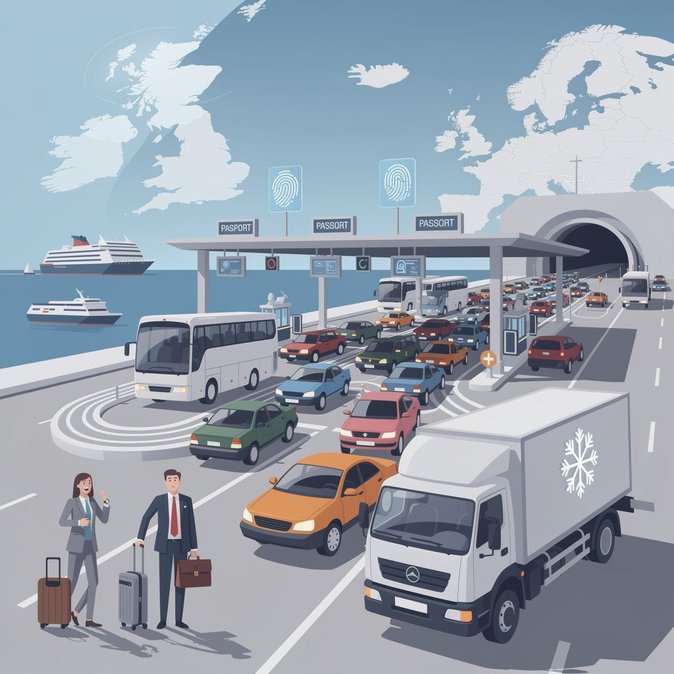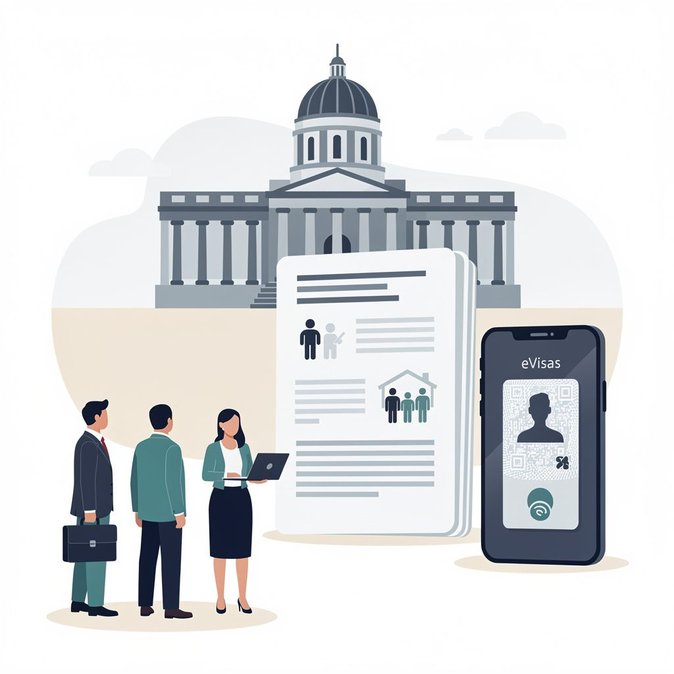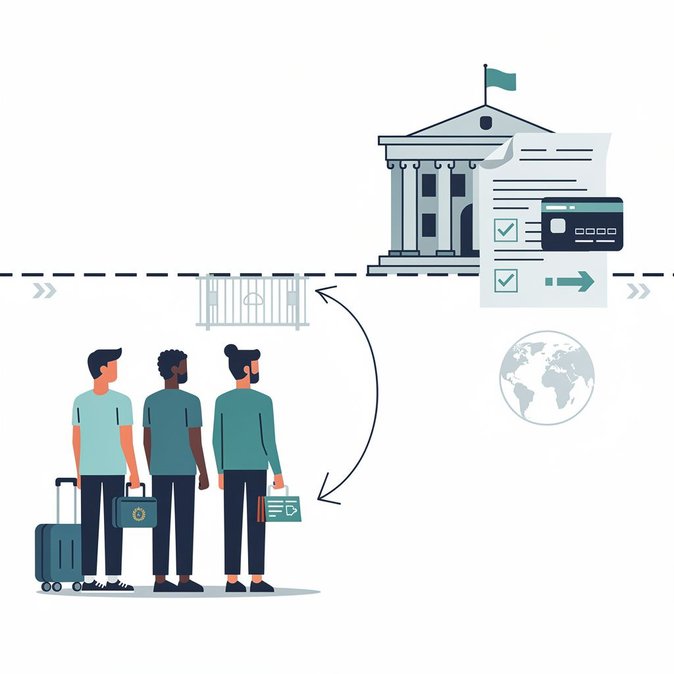
All eyes in Westminster were on the House of Commons chamber at 2:30 p.m. on 13 July as MPs opened the second-reading debate on the government’s wide-ranging Immigration and Asylum Bill. The parliamentary order paper lists the Bill immediately after Home Office Topical Questions, signalling ministers’ determination to push the legislation through before the summer recess. Drafted in the wake of record small-boat crossings, the Bill creates a statutory duty on the Home Secretary to remove anyone entering the UK irregularly, introduces an Independent Immigration Appeals Authority and formalises a ‘visa-brake’ giving ministers powers to suspend visa-free access for countries refusing to accept returns. It also caps the time asylum seekers may spend in hotel accommodation and pilots enhanced voluntary-return payments of up to £10,000 per family member. Critics argue the proposals risk breaching the UK’s obligations under the Refugee Convention and could drive victims of modern slavery underground. Business groups, however, welcome provisions that streamline sponsor-licence compliance and clarify digital eVisa status for employees—a nod to the Home Office’s ongoing paper-less immigration reform. If the Bill clears its second reading, it will move to detailed line-by-line scrutiny in a Public Bill Committee after the summer. Mobility teams should monitor amendments closely, particularly those that might affect right-to-work checks, visa-free country designations and the future of the controversial ‘Graduate Route’, which some back-benchers want to tighten.
Source: UK Parliament – What's On