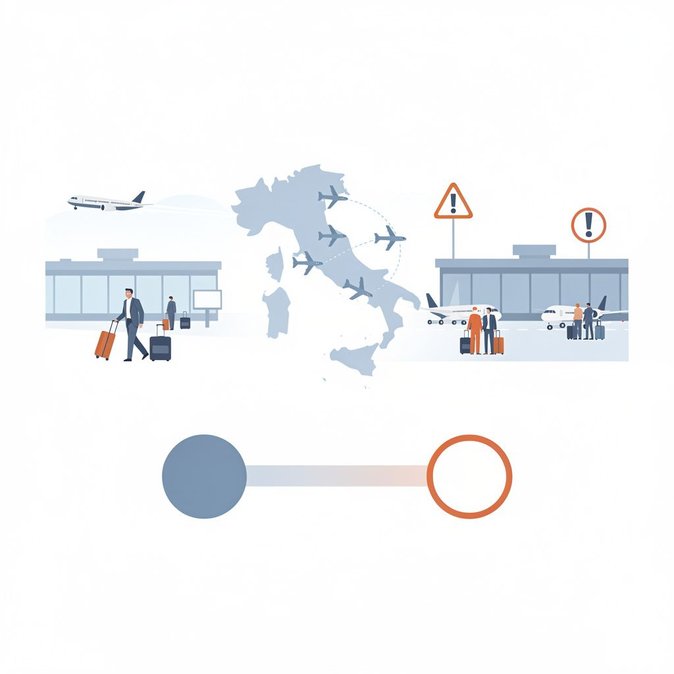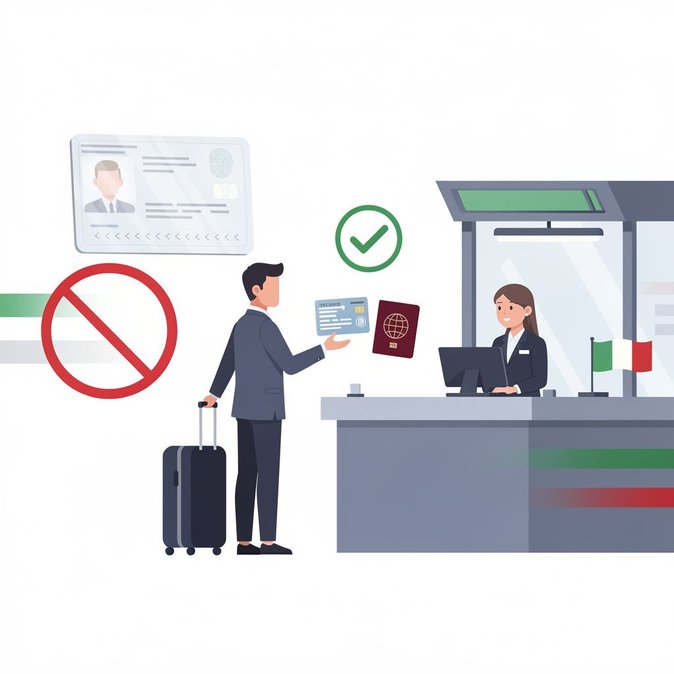
Italian citizens planning to travel abroad have just two weeks to make sure they carry the right document. In a notice published today (13 July 2026) on the websites of several Italian embassies, including Sofia and Wellington, the Ministry of Foreign Affairs confirmed that the old paper-format carta d’identità will cease to be accepted for cross-border travel as of 3 August. The change gives final legal effect to Decree-Law 108/2026, which accelerates the transition to the biometric Electronic Identity Card (CIE) as part of Italy’s wider digital-ID strategy and EU Regulation 2019/1157 on secure identity documents. What changes in practice? For travel inside the EU/Schengen area, Italian citizens have long been able to present either a passport or a national ID card. After 3 August, border police will refuse paper IDs even if the printed expiry date is later. The paper card will, however, remain valid as an identification document within Italy and at consular posts. Municipalities may, in urgent cases, issue a temporary six-month travel document, but travellers are warned that some non-EU states may still refuse it. The Farnesina emphasises that all Italians enrolled in AIRE (the register of residents abroad) can apply for the CIE at any Italian municipality since 1 June 2026, removing the need to return to their town of birth. Applicants must bring codice fiscale and pay the standard €22.20 fee; appointments can be booked online through the prenotazioni consolari platform. Waiting times currently average three weeks in major cities, so business travellers with imminent trips are urged to act fast or use a passport instead. Corporate mobility managers should update travel policies immediately. Airlines will treat a paper ID presented at check-in after 3 August as an invalid document, exposing travellers to denied boarding and re-ticketing costs. Travel management companies (TMCs) are advising clients to audit employee ID validity and remind frequent travellers—especially those on short-notice EU assignments—to carry a passport until their new CIE arrives.