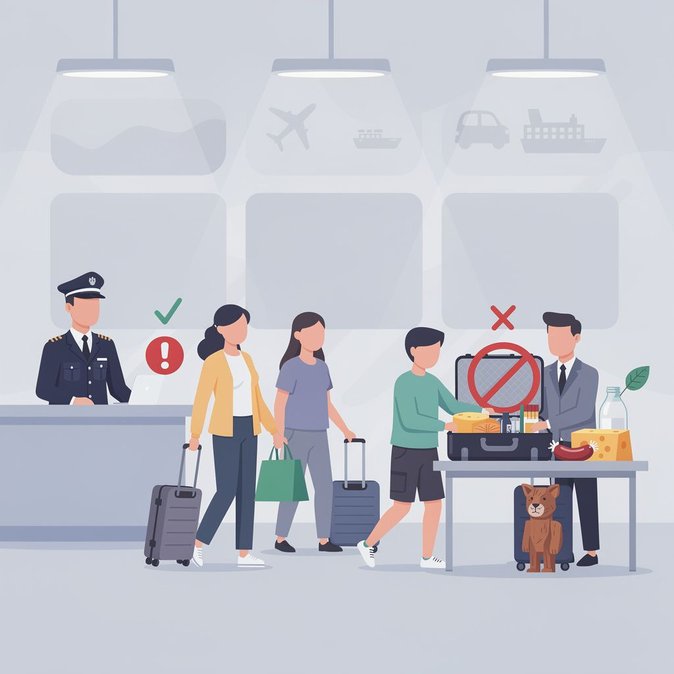
With school holidays starting in most Länder, the Düsseldorf Main Customs Office (HZA) published a detailed traveller advisory on 13 July highlighting the monetary and quantitative limits that apply when re-entering Germany from non-EU countries. Adults arriving by air or sea may import goods worth up to €430 tax-free (€300 by land), while children under 15 are restricted to €175. Specific quotas also apply to tobacco and alcohol: for example 200 cigarettes or one litre of spirits above 22 % ABV. Officials warn that animal-origin foods such as meat or dairy remain prohibited because of veterinary-health concerns. Souvenirs made from protected wildlife or plants can be confiscated under CITES rules and lead to hefty fines. The reminder follows a 15 % uptick in seizures of ivory jewellery and reptile leather at Düsseldorf Airport since Easter. For global-mobility professionals the guidance matters beyond leisure trips. Short-term assignees often carry specialty food, prescription medication or promotional samples back from postings. HR departments should circulate the Zoll link in pre-travel briefings and remind staff that undeclared excesses can trigger criminal proceedings, jeopardising residence permits. Companies running ‘traveller trust’ programmes should sync the allowance thresholds with expense-management systems, auto-flagging claims that exceed duty-free values. Mobility suppliers shipping household goods must continue to use the separate Transfer of Residence exemption, which allows second-hand personal items to enter tax-free if shipped within 12 months of arrival. The Customs office also plugged its ‘Zoll und Reise’ smartphone app, which calculates taxes due in real time. Roll-out of an English interface is planned for September 2026, easing compliance for non-German-speaking expatriates.