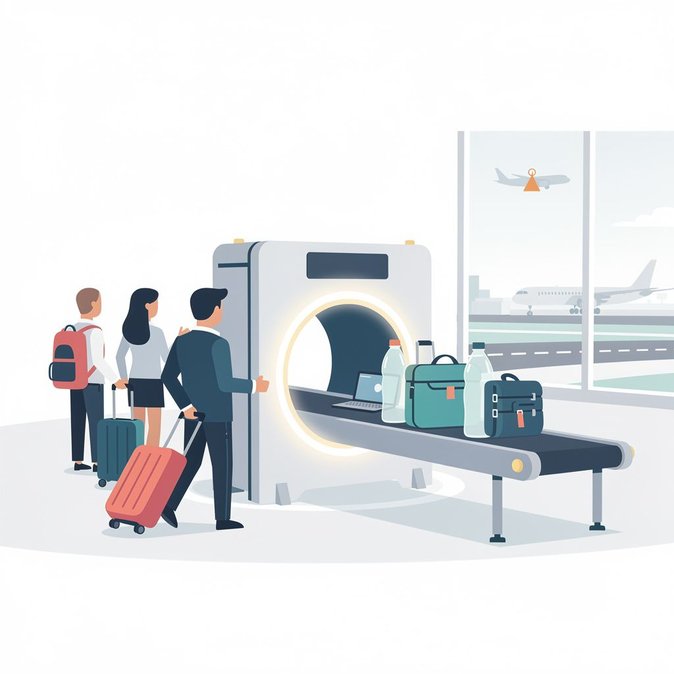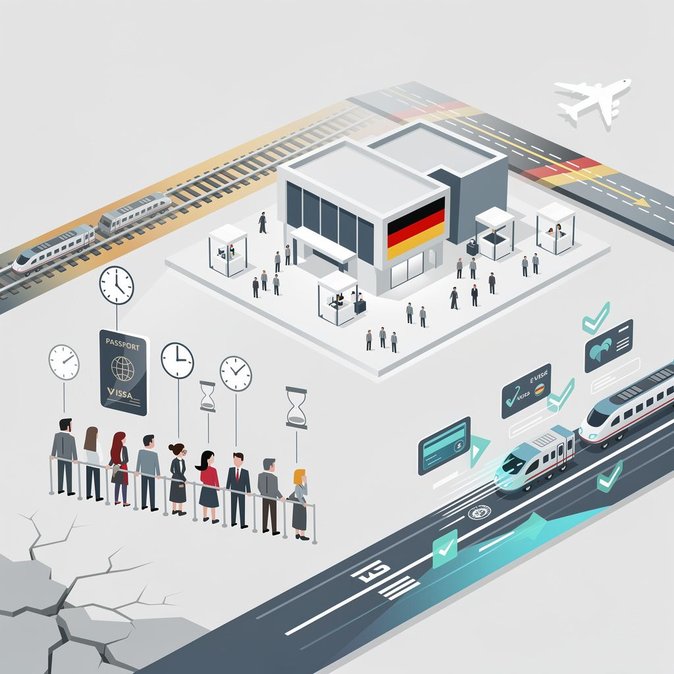
In a bulletin published on 13 July 2026, the German Embassy network reminded travellers that the EU’s new Entry/Exit System (EES) has been running in full operational mode since 10 April 2026 and is now in use at all German external borders, including Frankfurt, Munich, Hamburg and the seaports of Kiel and Rostock. The digital register replaces passport stamping for non-EU nationals on short-stay visas, automatically logging biometric data and calculating remaining Schengen days. The Foreign Office stressed that the system does not alter visa policy or length-of-stay rules, but significantly changes the border-control experience. Third-country visitors—including business travellers from the United States, India and the UK—are photographed and fingerprinted on first entry after 10 April; repeat crossings within three years require facial recognition only. Holders of German residence permits, national visas and EU Blue Cards are exempt. For employers transferring staff to Germany on the 90/180-day rule, the digital counter removes past ambiguities caused by illegible passport stamps. Immigration advisers are urging companies to start capturing EES data in assignment-tracking software to avoid accidental overstay, which now triggers automated re-entry bans. The Federal Police has begun sharing anonymised overstay statistics with the Federal Office for Immigration and Asylum (BAMF), a step seen as laying groundwork for algorithmic risk-profiling. The bulletin also notes that several German airports have installed self-service kiosks that allow travellers to pre-enrol biometrics, cutting inspection times by up to 40 percent. However, technical teething problems persist: at peak periods Frankfurt reports kiosk queues of 20 minutes, largely due to unfamiliarity among elderly passengers and groups. Airlines have been instructed to include an EES explainer in their pre-departure emails; failure to remind passengers of data-collection requirements may expose carriers to fines for transporting improperly documented travellers. Looking ahead, the Foreign Office confirmed that the rollout of ETIAS—the travel-authorisation scheme for visa-exempt nationals—remains scheduled for February 2027. Companies should therefore design a two-step compliance workflow: first EES biometric capture at the border, then ETIAS pre-screening for future trips. HR teams are advised to budget for additional lead time and potential cost pass-through when booking short-notice meetings in Germany.