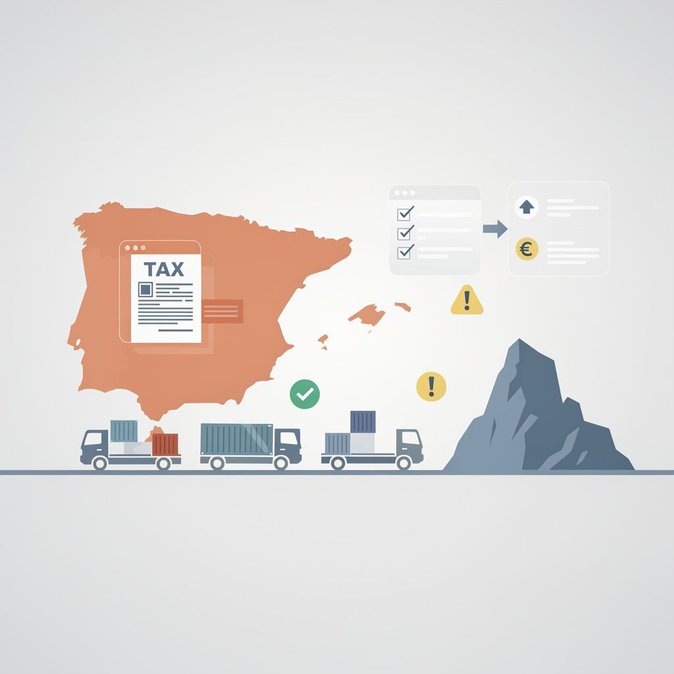
With less than 24 hours to go before the Gibraltar agreement becomes operational, Spain’s Agencia Tributaria published an alert explaining how importers and exporters must adapt their electronic filings. From 15 July, security ENS messages for Gibraltar-origin goods will no longer auto-generate temporary-storage entries; instead, operators must lodge G4 entry declarations via the New Computerised Transit System. The customs authority has updated its H1 import, AES export and NCTS transit guides accordingly. The circular also announces changes to the DIVA VAT-refund scheme: Gibraltar residents will be able to validate purchases in Spanish shops using the same QR-code kiosks available to other non-EU tourists, provided they exit the EU through the Rock’s airport or port. Businesses that operate tax-free shopping services should update their point-of-sale software to recognise Gibraltar IDs as eligible. Logistics firms are urged to brief drivers that attempted use of legacy ENS workflows could lead to truck holds and possible penalties at Algeciras or La Línea. The agency says it will run a help-desk during the first fortnight to resolve teething issues but warns that “manual fallback” will only be authorised in exceptional cases. For global-mobility teams moving household goods, the guidance clarifies that personal effects sent from Gibraltar to Spain will require a standard NCTS declaration unless the transferee qualifies for duty-free transfer-of-residence relief under EU Regulation 1186/2009. Companies with bonded warehouses should review inventory procedures, as movements of Gibraltar-origin goods will cease to be ‘export’ operations and instead be treated as intra-EU movements, affecting excise-duty suspension arrangements.
Source: Agencia Tributaria