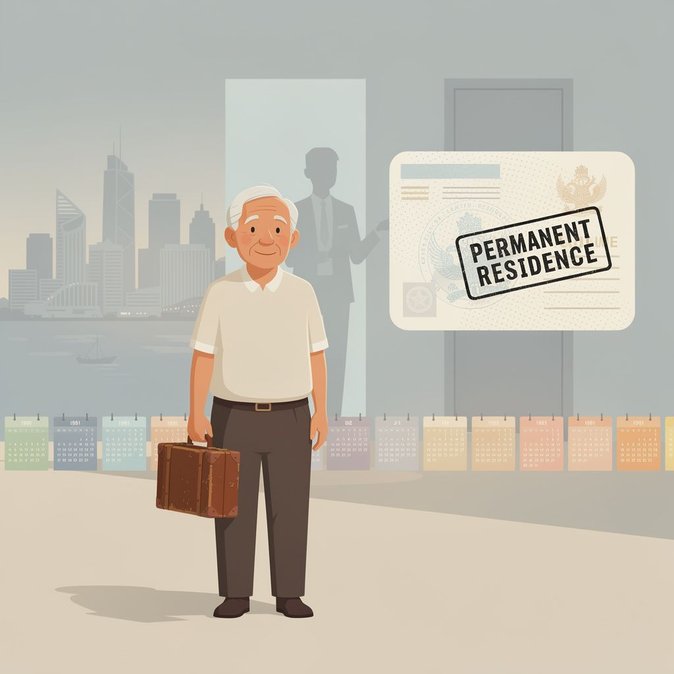
In a rare ministerial intervention that highlights the human side of Australia’s immigration system, 83-year-old Kwong Wan Lo—who arrived as a stowaway in 1981 and lived undocumented for decades—has been granted permanent residency. ABC News reported the outcome on 14 July 2026 after confirming Immigration Minister Tony Burke used his public-interest powers to substitute a more favourable decision for Mr Lo. Mr Lo, originally from Zhuhai via Hong Kong, spent 45 years in legal limbo, cycling through bridging visas, medical-treatment visa refusals and multiple unsuccessful appeals. His case gained traction under new 2025 guidelines prioritising long-resident, vulnerable applicants lacking a right of return. Migration lawyers say the decision underscores recent policy shifts toward resolving “legacy” cases that strain community resources and individual well-being. For employers, the story is a reminder that long-term undocumented workers or family members may now have clearer pathways if humanitarian factors are compelling. Mr Lo’s residency unlocks access to Medicare and aged-pension support, illustrating how visa status intersects with health and social services—an increasingly relevant topic for global-mobility teams managing extended-stay assignees and dependants. Critics, however, warn that ad-hoc ministerial decisions still leave others in similar situations without certainty and argue for a formal statelessness determination framework. While unique, the case may foreshadow more humanitarian grants as the government seeks to clear backlog files and focus enforcement on recent unlawful arrivals rather than elderly residents with deep community ties.
Source: ABC News