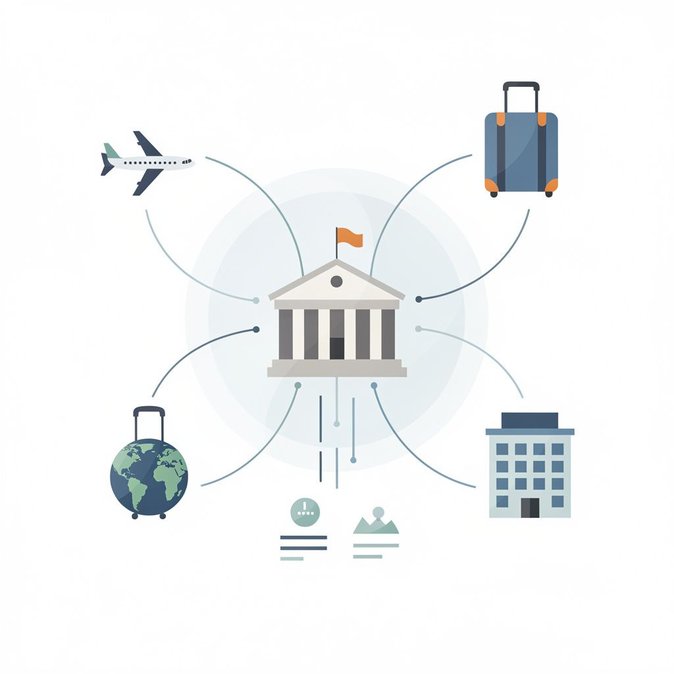
The Department of Finance quietly updated its Whole-of-Australian-Government (WoAG) travel FAQs on 15 July 2026, but the implications are anything but small. Non-Corporate Commonwealth Entities (NCEs)—covering most federal departments and agencies—must now book every domestic and international airfare through Corporate Travel Management (CTM) and settle the bill via a National Australia Bank account or an approved CTM payment facility. The directive, anchored in section 4.10 of the Commonwealth Procurement Rules, extends to accommodation and car rental (via Hertz) unless specified exemptions apply. For HR and mobility teams supporting secondees and officials, the change centralises data capture, promises sharper negotiated fares and strengthens policy compliance. It also formalises CTM’s role as gate-keeper for duty-of-care reporting—critical in a world of dynamic security threats and complex visa rules. Agencies that fail to comply risk paying rack-rate fares and breaching procurement obligations. Finance argues the aggregated model will deliver “significant cost savings” and reduce administrative overhead, while the travel industry welcomes volume certainty at a time of volatile demand. Some officials, however, question flexibility for complex multi-sector itineraries and worry the Hertz monopoly could disadvantage rural postings where outlets are scarce. Practical implications: departments should audit existing travel policy manuals, integrate CTM booking workflows into mobility management systems and retrain travel approvers. Suppliers that previously held niche government air or hotel contracts may need to reposition toward the corporate or leisure sectors. The update offers a preview of how Canberra intends to wield purchasing power to drive compliance and efficiency—lessons private multinationals with fragmented travel spend may wish to emulate.
Source: Department of Finance