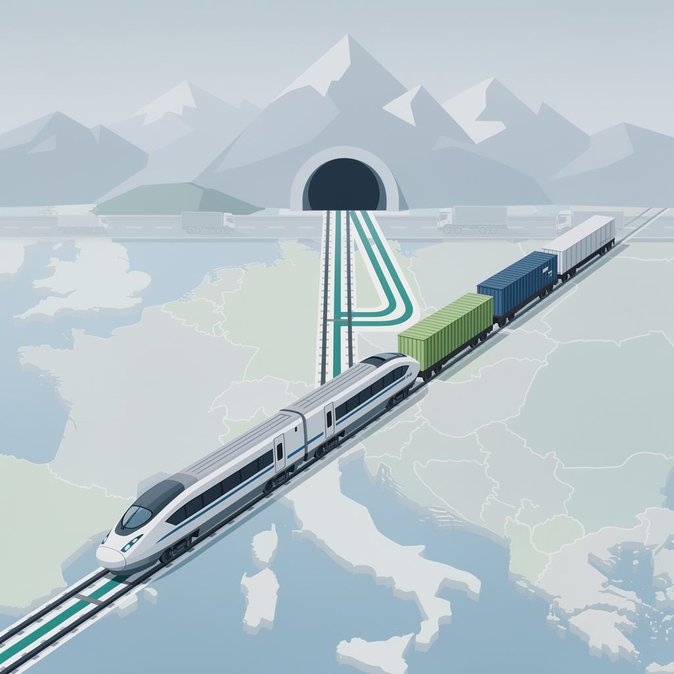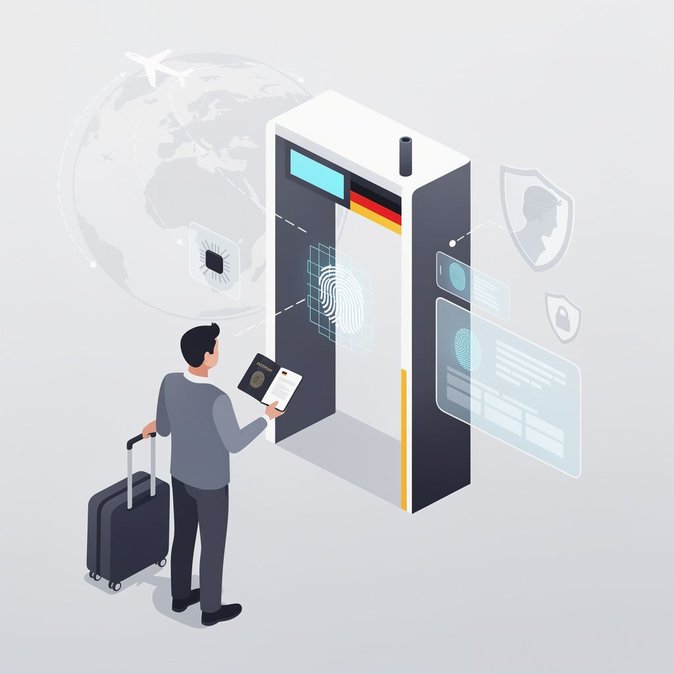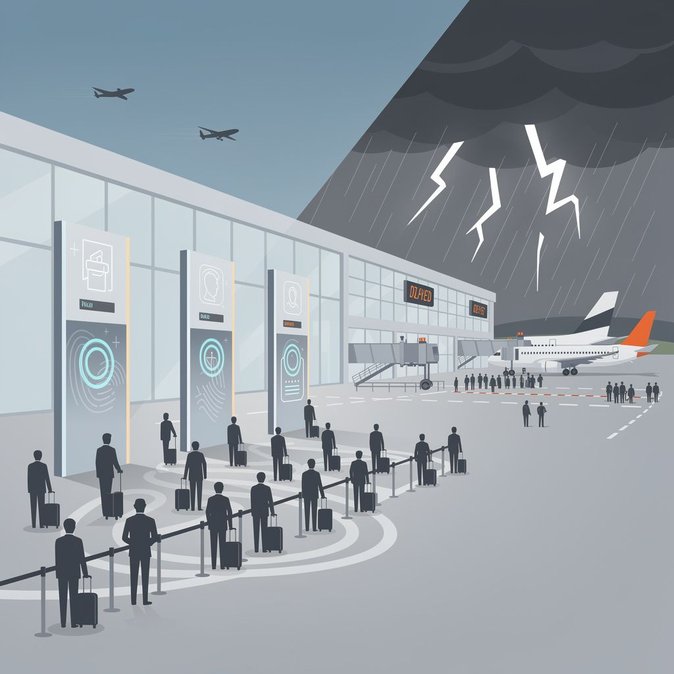
A detailed incident report published on 15 July 2026 shows that severe thunderstorms combined with the rollout of the EU Entry/Exit System triggered 942 delays and 62 cancellations at Germany’s five busiest airports two days earlier. Frankfurt alone logged 286 delays and 40 cancellations, while Berlin, Munich, Dusseldorf and Hamburg reported hundreds more. Operational analysts say convective weather forced wider in-trail separation in German and adjacent airspace. On the ground, immigration halls struggled with peak-season passenger volumes as border officials captured fingerprints and facial images under EES. Overflow queues reached boarding-gate areas, delaying aircraft turn-rounds and causing crew duty-time violations. Lufthansa bore the brunt—canceling 30 flights out of Frankfurt and five from Munich—followed by Eurowings, Condor and low-cost rivals easyJet and Ryanair. The disruptions illustrate how weather and the new biometric regime can create a multiplier effect on hub operations. For mobility planners the takeaway is clear: build extra buffers into connection times, advise travellers of their EC 261 rights, and collect written delay reasons from carriers to support compensation claims. Companies with time-critical cargo should also note that slot shortages affected belly-hold freight schedules, pushing shippers towards road or rail alternatives for intra-EU deliveries.
Source: Nomad Lawyer – Airline News