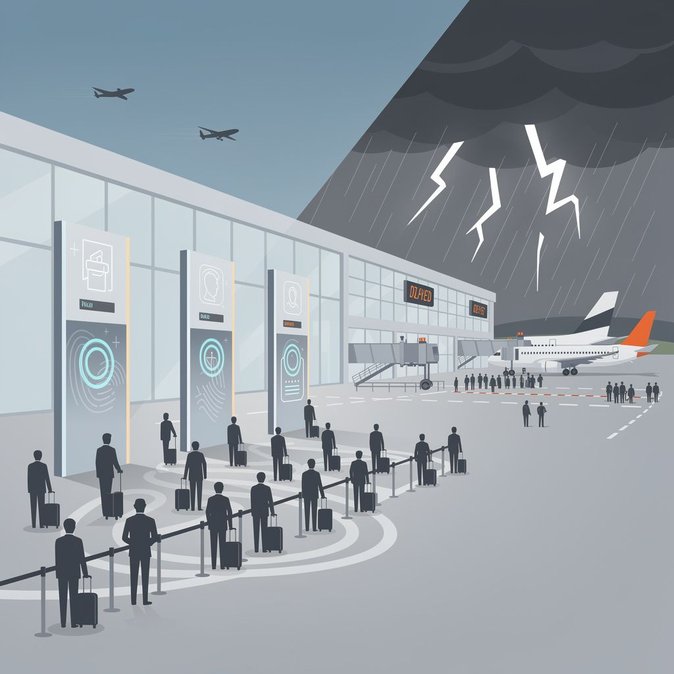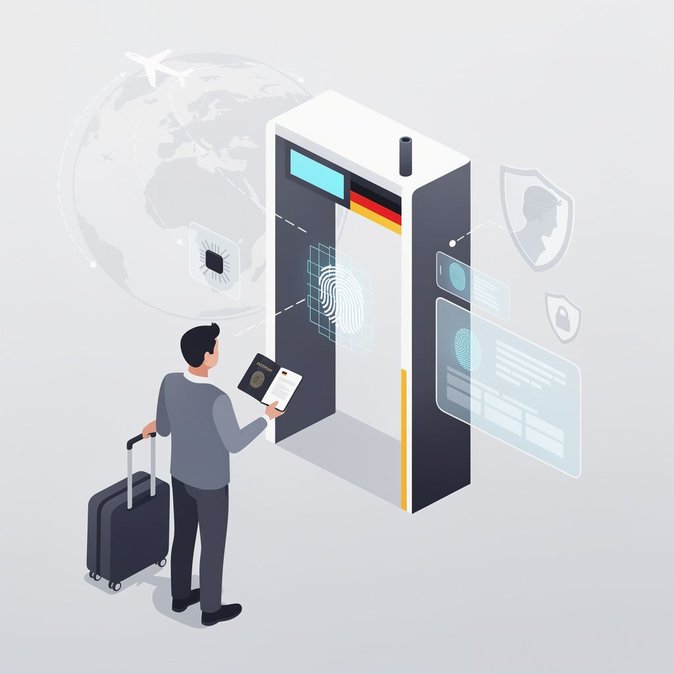
Several German embassies, including Dakar and London, refreshed their visa pages on 15 July 2026 to highlight that the EU’s biometric Entry/Exit System (EES) has been fully operational since 10 April 2026. The update consolidates practical information ahead of the main summer travel wave. Under EES, third-country nationals entering or leaving the Schengen area for short stays have their passport details, facial image and four fingerprints recorded electronically. Manual passport stamps disappear. Exemptions apply to EU/EEA/Swiss citizens and holders of residence permits or long-stay visas. For travellers the biggest change is time: the first EES crossing can add one to two minutes per passenger while biometrics are captured. The Foreign Office urges early airport arrival and warns that anyone with worn-out passport chips may be directed to secondary inspection. Frequent short-stay business travellers benefit from an automated calculation of remaining days in the 90/180-day rule, visible to border guards but not yet to the traveller; Germany plans to add a self-service portal in 2027. Mobility impact: Assignment planners should factor longer queues into itineraries, especially for large incentive groups or trade-fair delegations. Employers must also ensure data-privacy notices cover the new biometric processing under EU Regulation 2017/2226. The embassies note that EES is a prerequisite for the European Travel Information and Authorisation System (ETIAS), due for full rollout in 2027, suggesting further procedural changes lie ahead.