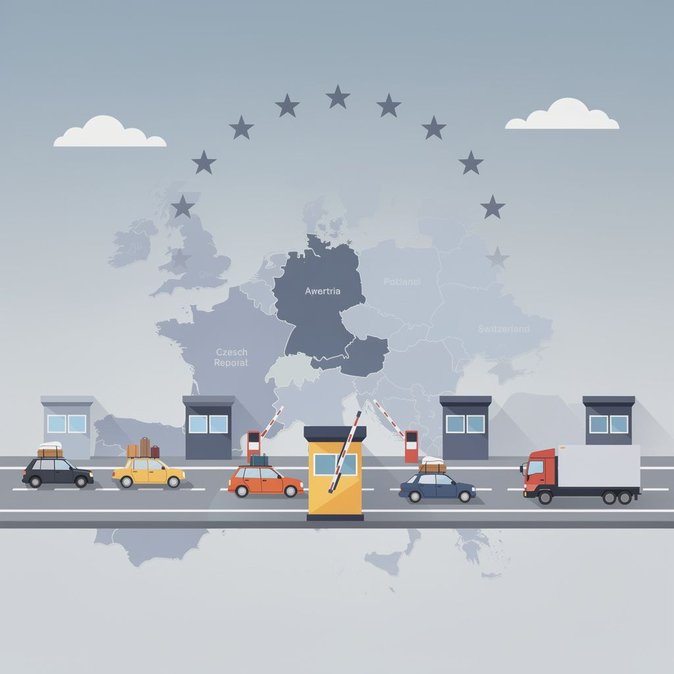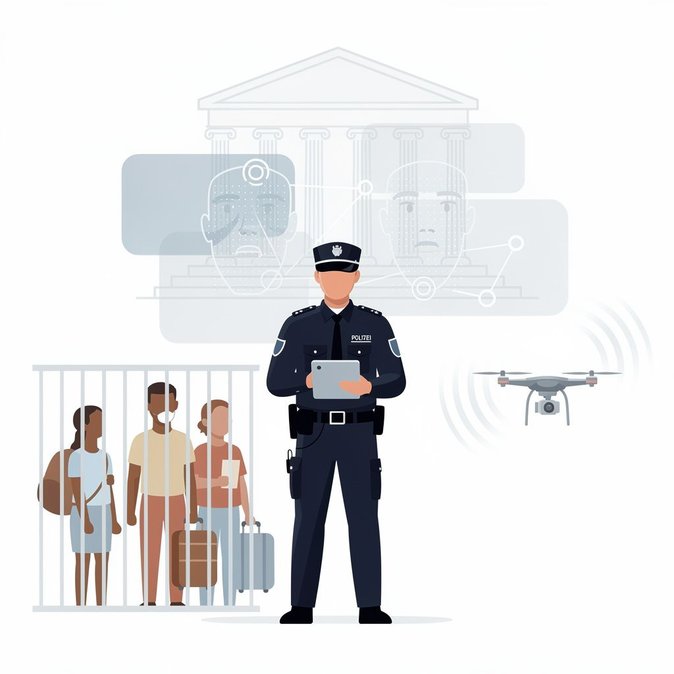
The Bundestag has adopted the first overhaul of the Federal Police Act since 1994, granting officers sweeping new authorities to deploy artificial-intelligence facial recognition, behaviour-detection software and anti-drone counter-measures at Germany’s external and internal borders. Published on 16 July by Deutsche Welle, the law also lowers the threshold for detaining migrants subject to deportation and allows broader spot checks on trains and highways leading to neighbouring states. Supporters within the governing CDU–SPD coalition say the update is essential to handle modern security threats ranging from people-smuggling networks to illicit drone activity around airports such as Frankfurt and Munich. Police unions welcomed the move, arguing that automation could free manpower during peak holiday periods when resources are stretched by temporary border controls. Civil-liberty groups, however, warned of a “paradigm shift towards mass surveillance.” Amnesty International Germany said the behavioural-analysis element risks racial profiling, while digital-rights NGOs announced plans to challenge several clauses at the Constitutional Court. Legal scholars point out that a 2016 ruling already forced the government to water down earlier telecom-intercept rules, hinting at another protracted judicial battle. For multinational companies the implications are immediate: business travellers can expect more frequent ID checks and the possible collection of biometric data at major hubs. Corporate security teams should review data-protection notices issued by transport operators and ensure posted workers carry compliant identification. Employers relocating staff should also monitor how the broader detention powers affect timelines for appeals against rejected residence permits.
Source: Deutsche Welle