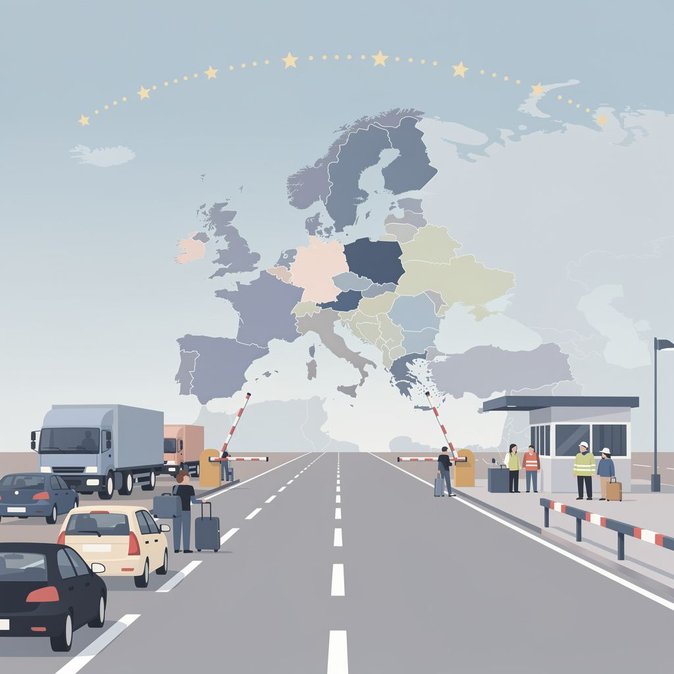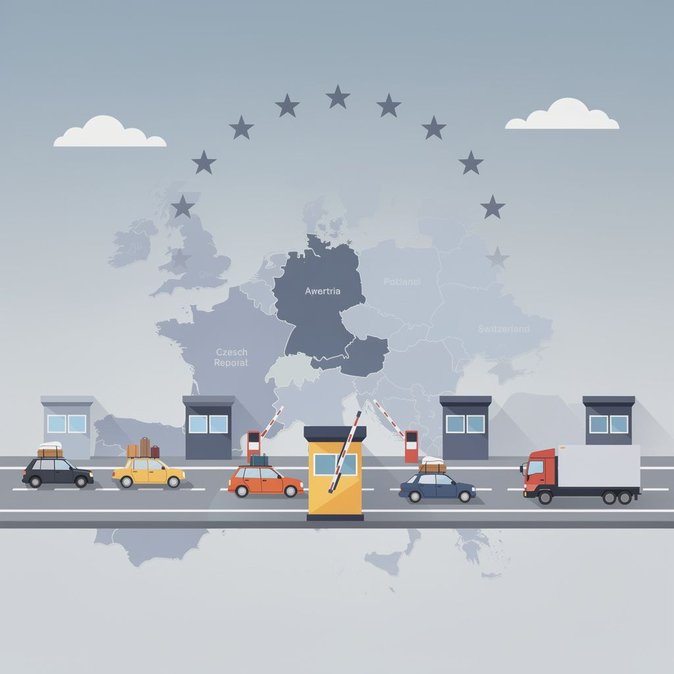
EU Migration Commissioner Markus Brunner used a press briefing in Brussels this morning (16 July 2026) to call on Berlin to lift the temporary controls it re-introduced at its land borders with Austria, the Czech Republic, Poland and Switzerland. The commissioner noted that the legal basis in the Schengen Borders Code is intended for short-term emergencies, yet Germany has renewed the measure repeatedly since 2015. Brunner argued that the combination of sharply lower irregular-entry numbers and the entry into force of the new Common European Asylum System (CEAS) means the security rationale for systematic controls has largely evaporated. According to Federal Police statistics, detections of unauthorised entry on the southern border fell by 38 % in the first half of 2026. At the same time, EU asylum rules now oblige the first-entry state to register migrants biometrically and speed up return procedures, reducing so-called “secondary movements” that Berlin has long cited as a concern. The commissioner warned that keeping checkpoints in place during the height of the holiday season risks kilometre-long tailbacks on the A8, A3 and A93 corridors. The ADAC motoring club expects up to 16 million cross-border leisure trips in the three-week period from 19 July to 11 August; delays of more than two hours would disrupt supply chains and corporate shuttle services in Bavaria and Baden-Württemberg. German Interior Minister Jens Spahn (CDU) reacted cautiously, saying the government would “review the data”, but domestic political pressure is growing. Martin Schulz (SPD) warned that the controls were damaging Germany’s reputation in the Single Market, while business associations such as the DIHK estimate annual costs to exporters at €180 million in driver overtime and missed delivery slots. For globally mobile staff, the practical advice is to add at least 60–90 minutes to road-transfer schedules into Germany and to carry a passport even on intra-EU trips. Companies that routinely rotate technicians from Austria or the Czech Republic should consider rail alternatives such as Railjet or the ICE Prague–Munich service, which are not subject to stationary controls.
Source: Tagesschau