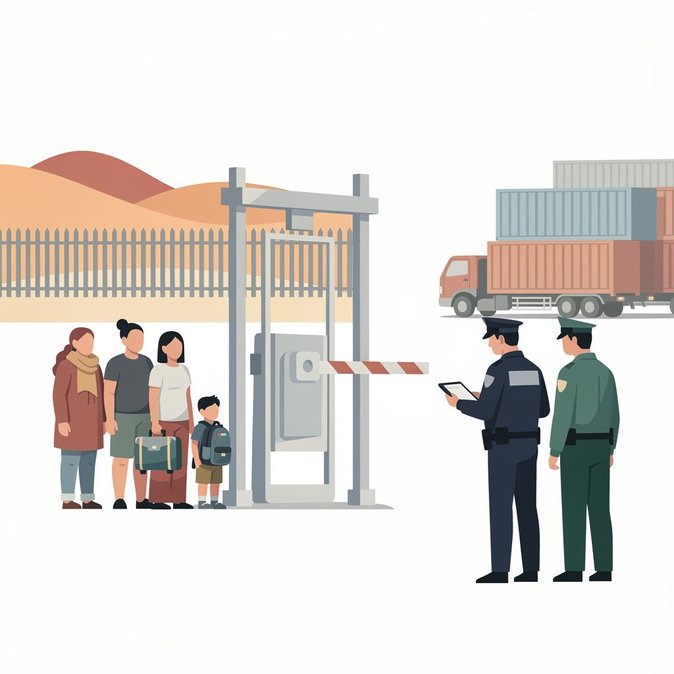
Customs and Border Protection (CBP) on 16 July issued a statement touting 14 consecutive months in which the agency recorded no “catch-and-release” outcomes for migrants apprehended at the U.S.–Mexico border. All individuals encountered have either been detained, expelled or placed into expedited-removal proceedings, according to the release. Officials credit expanded use of the ICE Alternatives-to-Detention programme, the Title 42 public-health expulsion authority still in force for certain nationalities, and the swift-track asylum docket launched last year. The policy marks a sharp contrast with the pre-2025 era, when tens of thousands of migrants were paroled into the country pending hearings. For global mobility practitioners the headline is mixed. On one hand, tighter control may ease concerns among expatriates stationed near border regions about security and infrastructure strain. On the other, humanitarian visas and family-reunification parole requests now face tougher evidentiary standards and longer detention periods, complicating corporate transfers that rely on mixed-status families. Trade groups representing maquiladora operators caution that strict detention protocols can slow freight flows when CBP redeploys inspectors from cargo lanes to migrant processing. Companies moving goods through Laredo and Otay Mesa should monitor wait-time dashboards and build slack into just-in-time supply chains during migration surges. Action items: enrol drivers in FAST or SENTRI programmes to access dedicated lanes; subscribe to CBP’s Border Wait Times API; and keep contingency plans for rerouting shipments through maritime ports if land crossings slow.