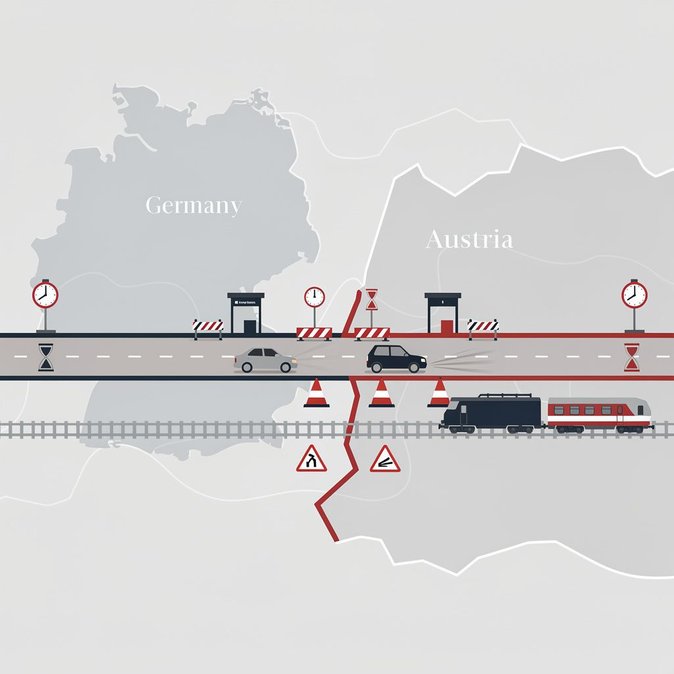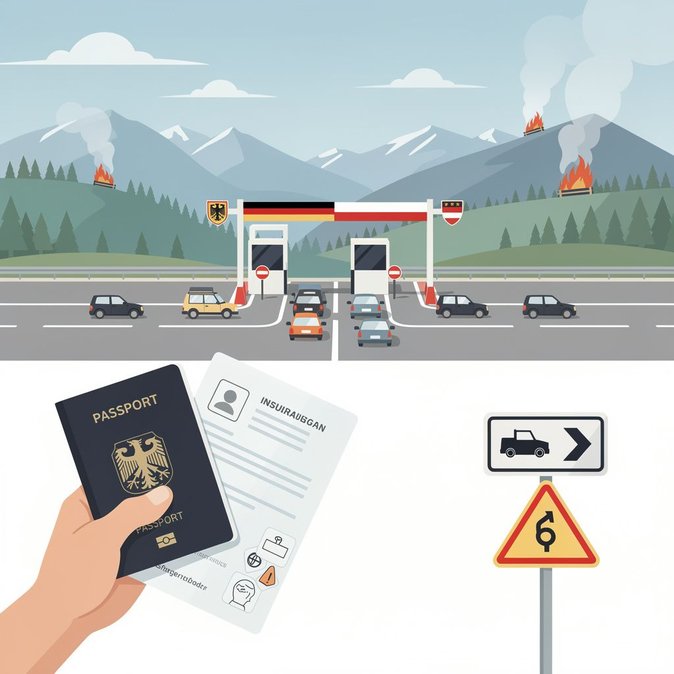
Berlin’s Auswärtiges Amt has refreshed its travel and safety advice for Austria with a new edition dated 19 July 2026. Although the update is labelled “editorial”, the page now explicitly reminds holiday-makers and cross-border commuters that Germany continues to perform temporary police checks on the Bavarian–Austrian land border under Article 25a of the Schengen Borders Code—currently authorised until 15 September. For corporate mobility managers the nuance matters: while passports are not stamped, drivers of company cars and coaches may be waved off the Autobahn for spot inspections. Travellers without a national-ID card or passport, or with only mobile driving licences, have faced fines and missed connections. Companies sending German-based staff to Austrian clients should therefore insist on physical ID documents and build at least 45 minutes’ buffer into itineraries on the A8/A93, especially on Fridays. The advisory also flags seasonal congestion around Salzburg and Innsbruck as festival and hiking traffic peaks, and warns of forest-fire restrictions in Tyrol and Carinthia amid a prolonged heatwave. Business visitors planning incentive events in alpine huts must secure local permits for drone footage and follow regional fire-ban ordinances. Although Austria itself imposes no COVID-19 entry rules, the German notice points out that high-altitude UV exposure and dehydration remain leading causes of insurance claims; it nudges employers to double-check that their duty-of-care packages include mountain rescue (Bergrettung) coverage, which standard EU medical insurance may exclude. Finally, the page summarises import allowances for company laptops, prototypes, and demo equipment—an often-overlooked detail for tech and life-science firms attending Vienna’s autumn trade-fair season. Failure to complete the EU’s ATA Carnet paperwork can still trigger Austrian customs duties despite the goods remaining within the single market.