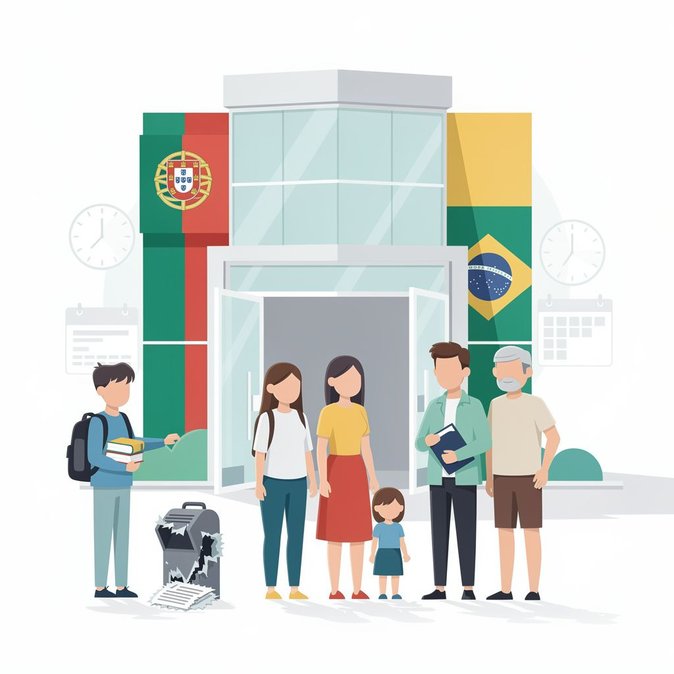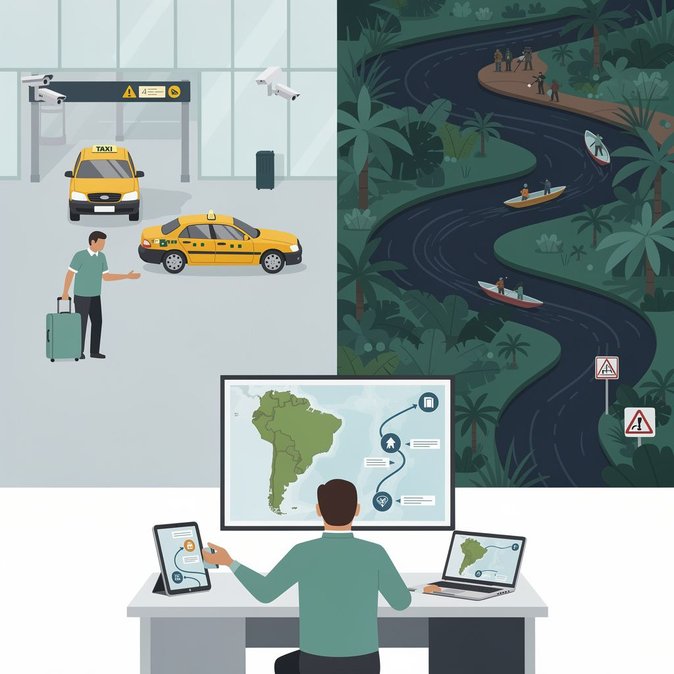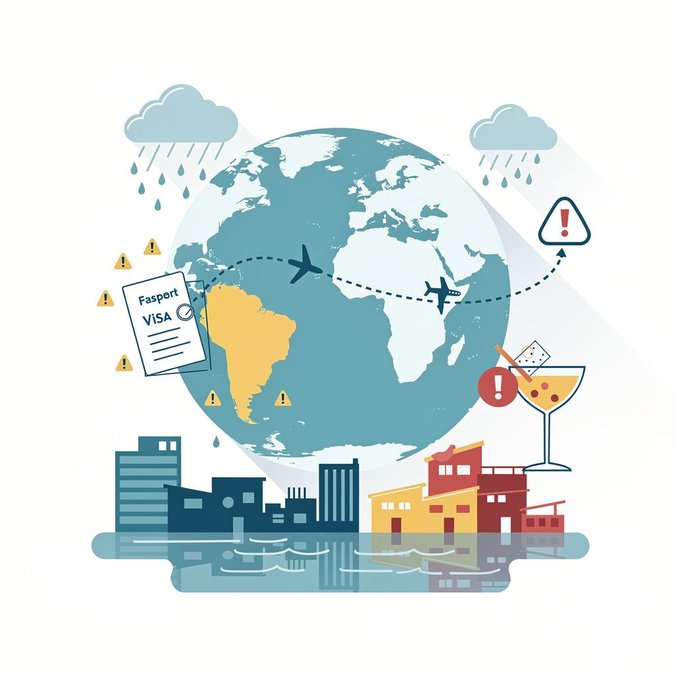
Australia’s Department of Foreign Affairs and Trade (DFAT) reviewed its travel advice for Brazil on 19 July 2026, keeping the overall level at ‘Exercise a high degree of caution’ but adding new warnings that matter to business travellers. The bulletin underscores a **spike in methanol poisoning incidents** linked to adulterated alcoholic drinks and reminds Australians that they **must obtain a visa before boarding a flight to Brazil**—a point many short-term consultants still overlook. DFAT singles out tourist districts in Rio de Janeiro and São Paulo as hotspots for violent crime, advises executives to avoid favelas even on guided tours and recommends using only licensed taxis or vetted ride-share vehicles. The advisory also flags the lingering wet-season flooding that can disrupt regional flights and road links through July, urging firms to build flex days into travel itineraries. From a mobility-management standpoint, the renewed notice is a compliance nudge: Australian passport holders lost their visa-free status for Brazil in April 2025, yet DFAT posts report continued cases of travellers being denied boarding because they assumed a visa on arrival existed. Mobility teams should therefore incorporate visa-issuance lead times—typically 10–15 days via Brazilian consulates in Sydney or Canberra—into assignment planning. HR directors should also heed the medical guidance. Companies running regional conferences during Brazil’s festival season are advised to brief attendees on drink safety and to arrange insurance that covers emergency evacuation from remote Amazon destinations now listed as ‘all but essential travel’ zones. Although the advisory is targeted at Australian citizens, global companies often apply DFAT risk gradings to all travellers because of their granular incident data. The update therefore reinforces Brazil’s position as a medium-risk but manageable destination—provided organisations double-check visa status and adopt stringent duty-of-care protocols.