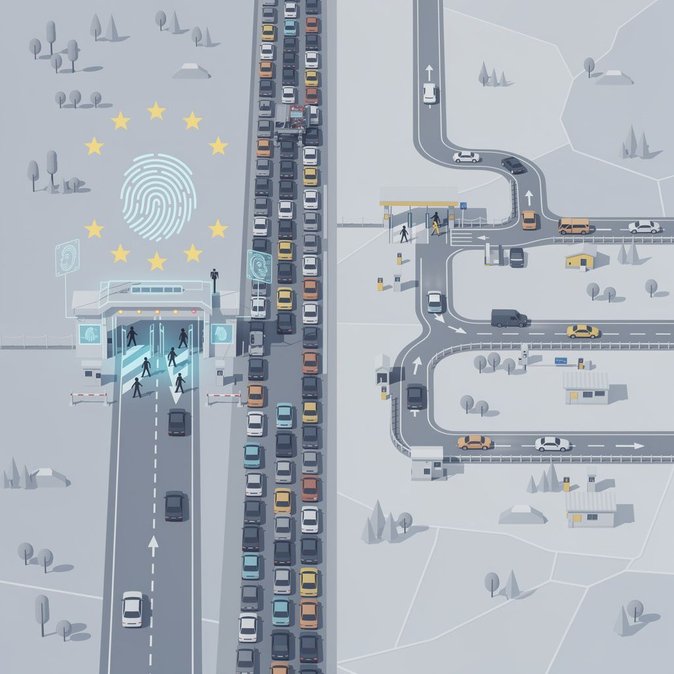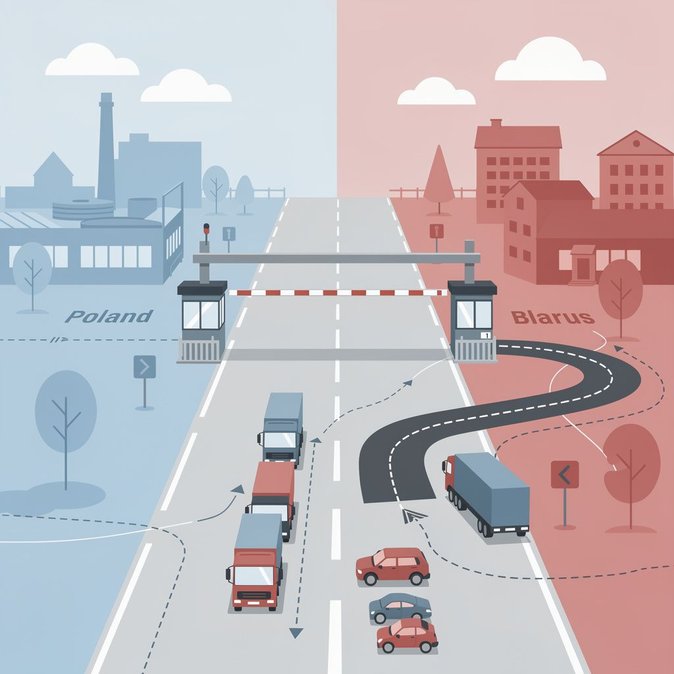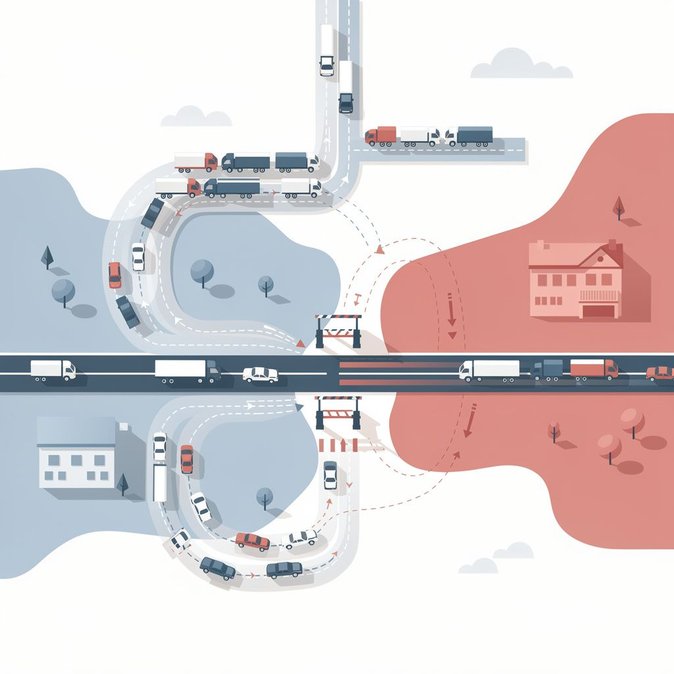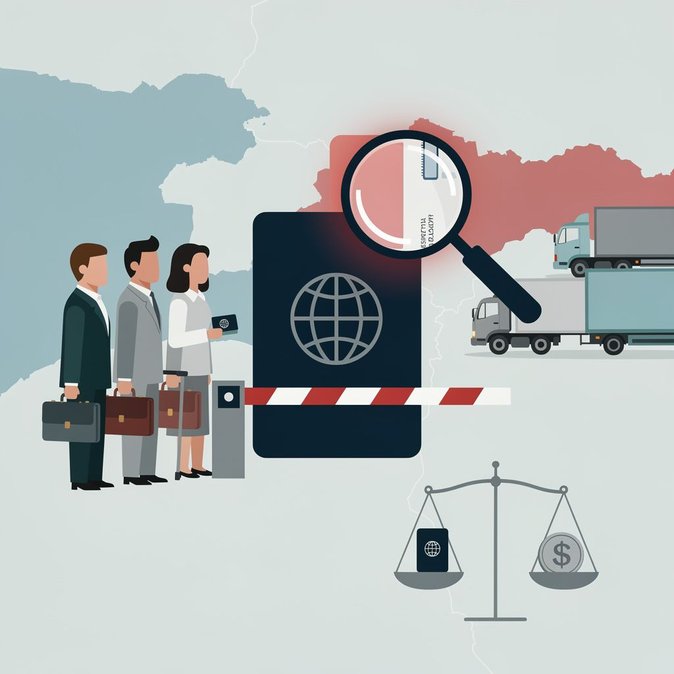
In a dawn press release on 19 July 2026, opposition law-maker Bartosz Kownacki (Law and Justice party) revealed that he has submitted a formal interpellation to Prime Minister Donald Tusk, demanding answers about a string of travellers caught using forged passports at the north-eastern border with Russia’s Kaliningrad exclave. The story, broken by news portal Onet Wiadomości at 01:37 a.m., alleges that offenders were fined and allowed to continue toward Russian territory—an approach the MP brands “shockingly lenient”. Kownacki’s three questions focus on whether Poland’s Internal Security Agency (ABW) was involved in vetting the individuals, whether the sanctions applied are proportionate to the national-security risk, and how many similar cases have occurred in the past 18 months. The parliamentary procedure obliges the Cabinet to respond within 21 days, meaning fresh data on document fraud along the 210-km Polish-Russian border could surface in mid-August—valuable intelligence for corporate security teams overseeing personnel or shipments through the Mamonovo/Braniewo, Bagrationovsk/Bartąg and Grzechotki crossings. The episode highlights a perennial tension: Poland’s need to keep trade corridors open for legitimate truck traffic (particularly timber and agri-food coming from Kaliningrad) while filtering out illicit actors amid the broader EU sanctions regime against Moscow. Since the EU’s Entry–Exit System began trial capture in April, forged-document alerts have risen by 23 %, according to leaked Border Guard dashboards. For mobility and global-security managers, the political spat is less about party rivalry and more about potential policy tightening. If Warsaw raises penalties or introduces mandatory detention for document fraud, expect longer secondary inspections and unplanned overnight holds for drivers whose travel histories trigger additional scrutiny. Companies should therefore verify that all staff—and any contracted hauliers—carry biometrically compliant passports and, where applicable, electronic visas stored in the EU’s VIS database. In the meantime, exporters using the Kaliningrad corridor are advised to maintain alternative routings via the Suwałki Corridor into Lithuania, keep standby permits for the Baltic ports of Klaipėda and Riga, and follow Sejm communications for updates on any emergency legislative amendments that could impact driver rotations or carnet processing.
Source: Onet Wiadomości