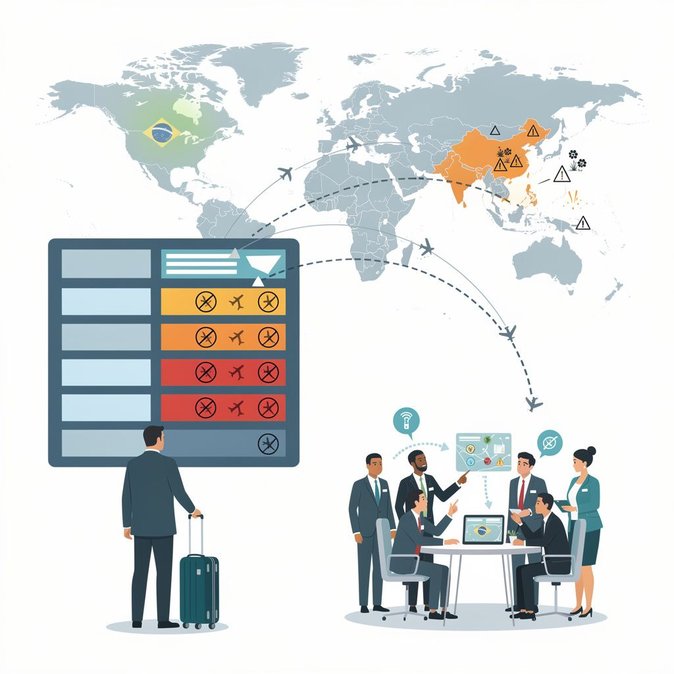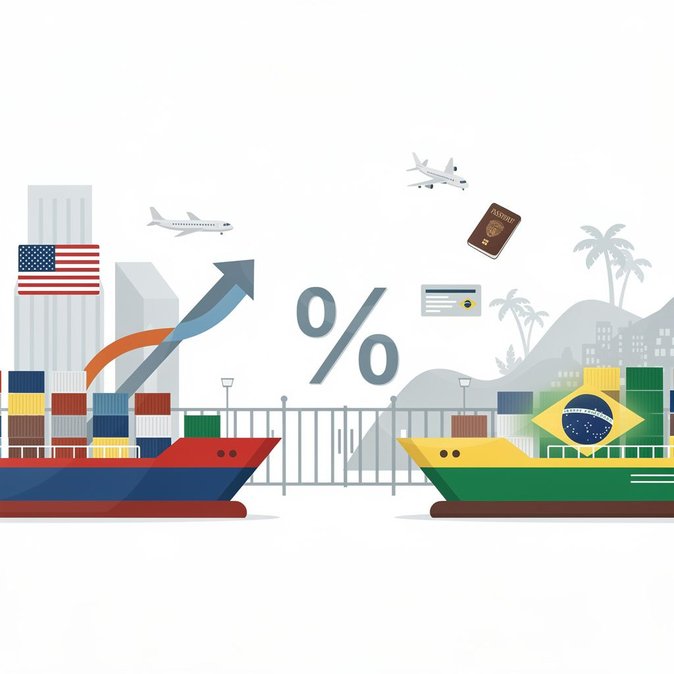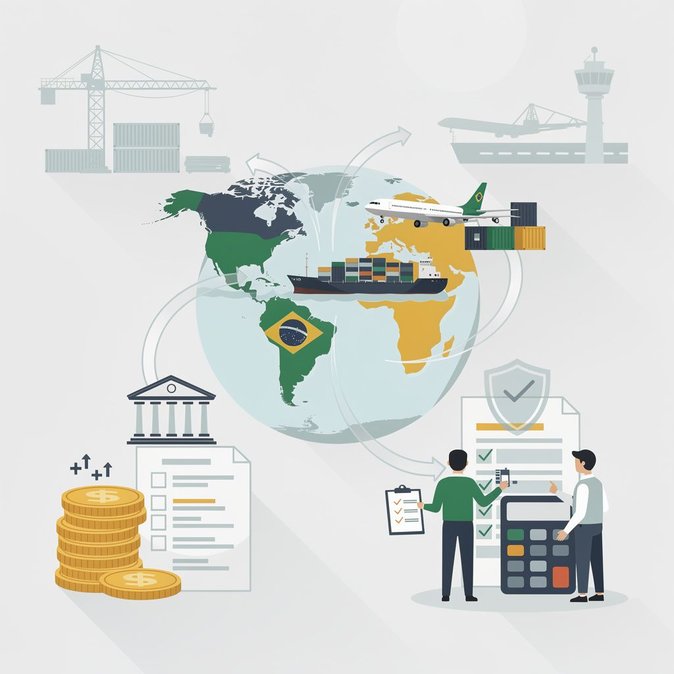
Earlier on 22 July the federal government rolled out the third phase of its ‘Brasil Soberano’ plan, earmarking R$ 18.5 billion (US$ 3.5 billion) in low-interest loans, export credit guarantees and logistical subsidies for companies directly affected by the 25 % U.S. tariff surcharge. Funds will be channelled through the Brazilian Development Bank (BNDES) and the Export Guarantee Fund, whose mandate was reinforced by Law 15.473 signed the same day. Key features include working-capital lines for small and medium-sized exporters, a 12-month rebate on port storage fees, and a BRL-denominated hedging facility to cushion exchange-rate volatility. Companies must demonstrate at least a 15 % revenue exposure to the U.S. market to qualify. For the global-mobility sector the package matters in two ways. First, financial breathing-room may allow firms to keep overseas secondees in place instead of accelerating repatriations. Second, the logistics subsidy earmarks R$ 600 million to cover part of the additional air-freight costs generated by flight re-routing through safer corridors—an expense already climbing after carriers like Air France suspended Gulf services. Legal advisers caution that to access credit guarantees companies must show compliance with Brazil’s labour-migration rules, including up-to-date foreign-worker quotas and social-security payments. Mobility departments should therefore coordinate closely with treasury teams before filing applications. The first application window opens on 5 August; funds are expected to be disbursed on a rolling basis through year-end.
Source: Folha de S.Paulo